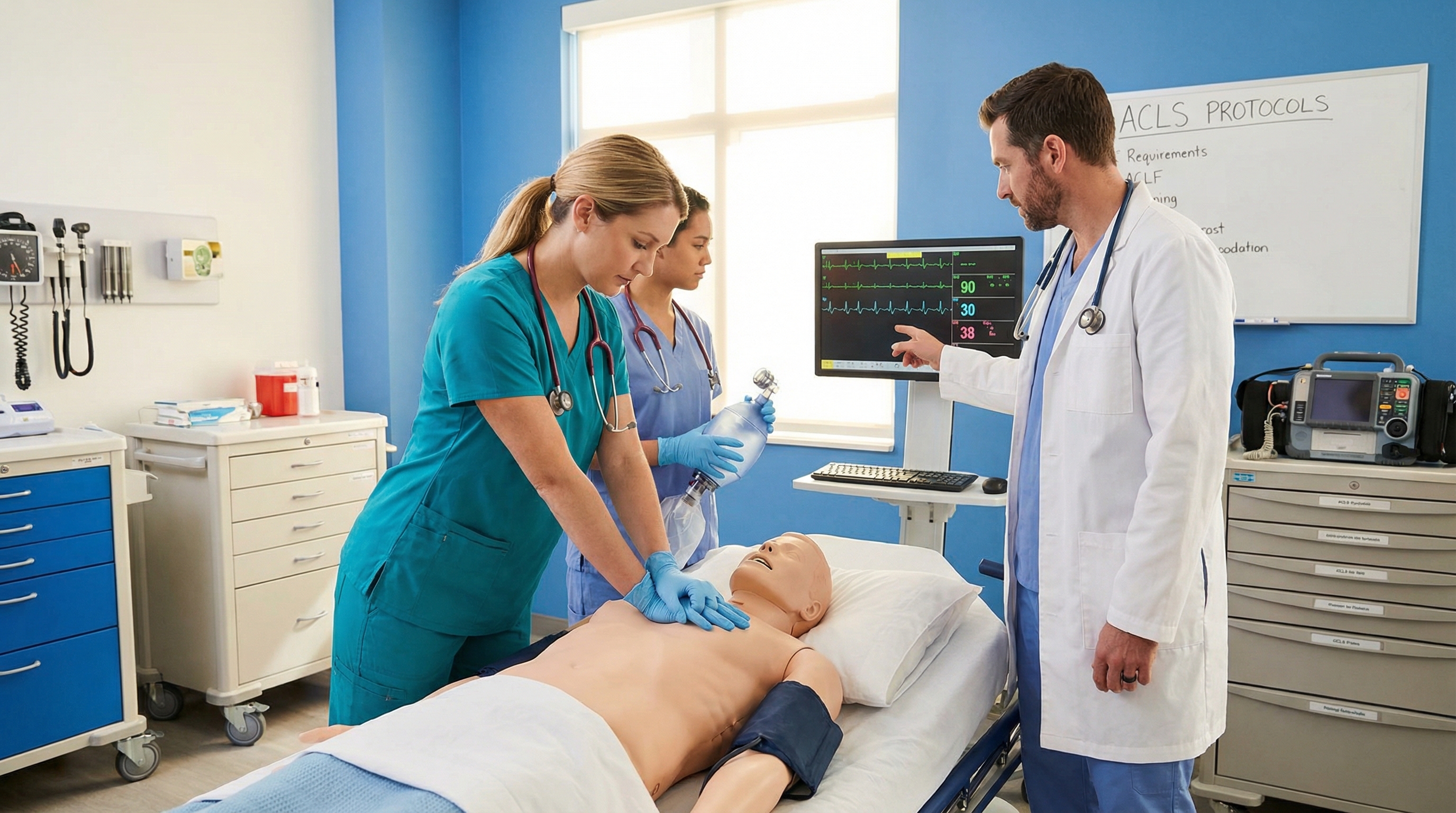
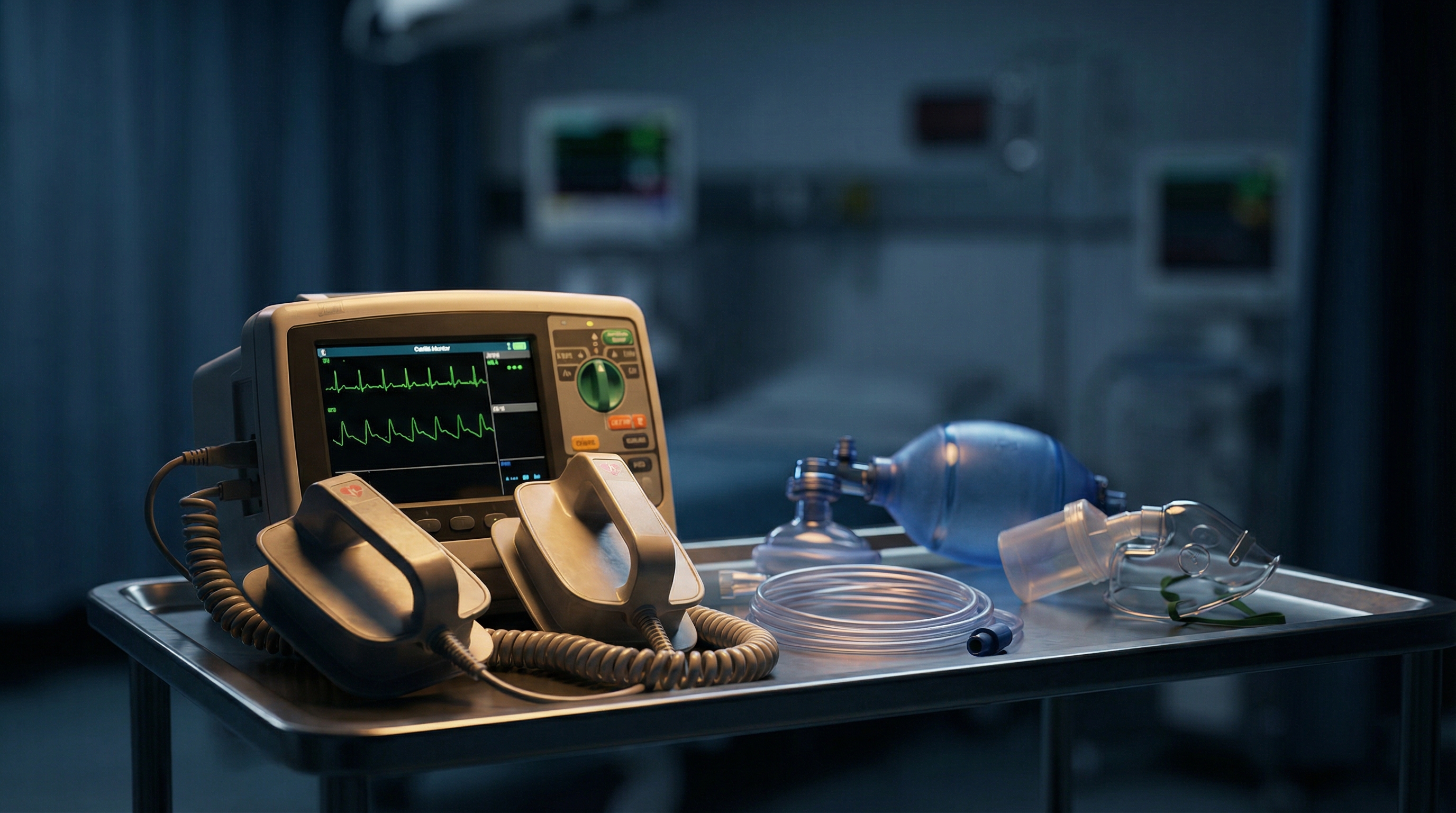
When cardiac arrest strikes an adult patient, every second counts. Mastering the Two-Rescuer BLS Technique for Adult Patients can mean the difference between life and death, significantly improving cardiac arrest survival rates when executed properly.
You're about to discover why the two-rescuer BLS approach stands as a cornerstone of emergency cardiovascular care. Unlike single-rescuer efforts, this coordinated method allows for continuous, high-quality chest compressions paired with effective ventilation—two critical elements that maintain blood flow to vital organs during those crucial first minutes.
The statistics tell a compelling story: adult patients experiencing cardiac arrest have substantially better outcomes when two trained rescuers work in tandem. This isn't just about having an extra pair of hands—it's about strategic role division, minimized interruptions, and sustained compression quality that a single rescuer simply cannot maintain alone.
However, it's not only adults who face emergencies. For parents, knowing how to respond to pediatric emergencies is equally vital. Consider enrolling in an online PALS course through Affordable ACLS to enhance your skills and ensure you are fully equipped to handle any situation involving children.
This comprehensive guide will walk you through every aspect of the two-rescuer technique, from fundamental principles to advanced coordination strategies. You'll gain the knowledge and confidence needed to perform life-saving interventions when cardiac arrest survival depends on your skills.
In addition to mastering BLS techniques for adults, understanding the impact of AI on emergency cardiac care could provide valuable insights into how technology is transforming this field by improving diagnosis, treatment precision, and patient outcomes through advanced data analysis and real-time decision support.
Remember, whether you're taking an online course or preparing for a certification exam, employing the best study tips for online course takers can significantly enhance your learning experience and success rate.
Adult cardiac arrest occurs when the heart suddenly stops beating effectively, halting blood circulation to vital organs. This life-threatening emergency can be caused by various factors such as:
The underlying mechanisms typically involve ventricular fibrillation, pulseless ventricular tachycardia, asystole, or pulseless electrical activity.
The location where cardiac arrest occurs significantly affects the response and outcomes. There are two main types of cardiac arrest based on location:
Survival rates provide a sobering insight into this public health crisis. Here's an overview of the average survival rates for different types of cardiac arrest:
These statistics highlight the urgent need for widespread Basic Life Support (BLS) training and effective two-rescuer techniques. It's crucial to understand that every minute without CPR decreases survival probability by 7-10%. Therefore, the quality and continuity of resuscitation efforts play a vital role in determining patient outcomes.
In such emergencies, understanding the appropriate post-cardiac arrest algorithm can be crucial for improving survival rates. Here are some additional strategies that can enhance emergency preparedness:
Healthcare providers should also consider whether to bundle ACLS and PALS certifications. Bundling these certifications could streamline their training process while enhancing their ability to respond effectively in emergencies involving both adults and children.
Basic life support for adult patients centers on three core principles: immediate recognition of cardiac arrest, high-quality chest compressions, and effective ventilation. You need to understand that BLS creates artificial circulation and oxygenation when the heart stops pumping blood effectively. The technique maintains minimal blood flow to the brain and heart until advanced medical interventions can restore normal cardiac function.
The Chain of Survival represents the sequential steps that maximize survival chances:
Each link in this chain depends on the previous one. When you delay any step, survival rates drop significantly. Studies show that every minute without CPR decreases survival probability by 7-10%.
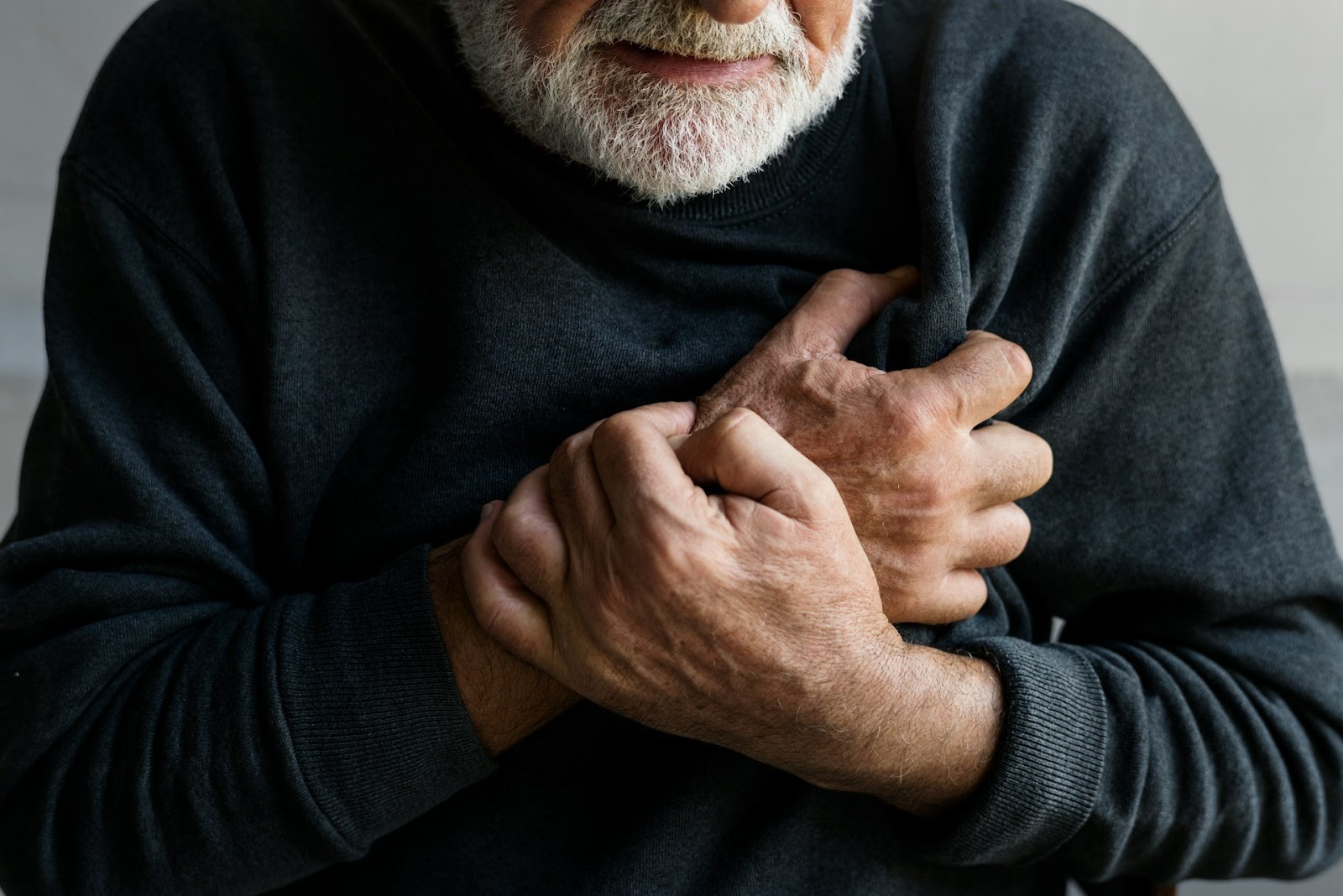
Early recognition requires you to assess responsiveness, check for normal breathing, and identify absent or abnormal pulse within 10 seconds. You must activate emergency services immediately after confirming cardiac arrest. Prompt intervention means starting chest compressions within the first minute of recognition. The brain can only survive 4-6 minutes without oxygen before irreversible damage occurs, making your response time absolutely critical.
While this guide focuses on adults, it's important to note that pediatric basic life support has its own unique algorithm, especially when two or more rescuers are present.
Moreover, obtaining a BLS certification can significantly boost safety, credibility, and teamwork among professionals in various fields such as electrical contracting or dental practice. In fact, training dental practice staff in BLS and ACLS is beneficial as they often work with patients who may experience unexpected medical emergencies.
For those considering their training options, there are several paths available including online BLS courses which offer flexibility in learning.
Lastly, it's crucial to remember that these skills not only apply in professional settings but also in everyday situations such as during workouts, where knowing ACLS could potentially save a life.
Mastering the Two-Rescuer BLS Technique for Adult Patients requires understanding the distinct roles each rescuer plays during a cardiac arrest response. The first rescuer assumes the compression role, positioning themselves at the patient's side to deliver uninterrupted chest compressions. The second rescuer takes the ventilation role, positioning at the patient's head to manage the airway and provide breaths.
The two-rescuer technique follows a systematic approach:
You have two primary options for delivering ventilation support:
Understanding and implementing these techniques is crucial for anyone involved in healthcare or emergency response. That's why obtaining BLS certification is highly recommended. These courses provide essential life-saving skills, making them invaluable for healthcare professionals and first responders alike.
Moreover, primary care physicians can greatly benefit from ACLS and BLS certification. While their primary focus lies in preventive medicine and chronic disease management, there are situations where emergent care skills, such as those learned in BLS courses, can prove to be lifesaving.
For healthcare professionals looking to enhance their emergency response knowledge, enrolling in ACLS courses is an excellent step forward. These comprehensive courses are tailored specifically for such professionals, ensuring they are well-equipped to handle emergencies effectively.
If you're interested in pursuing your ACLS certification online, it's now easier than ever with Affordable ACLS's streamlined process.
Rescuer coordination is essential for effective two-rescuer BLS. You need to work together with your partner to ensure continuous chest compressions—every second matters in keeping blood flowing to the brain and heart. When it's time to switch roles, aim to do so in under five seconds. The person doing compressions should announce "switch" during their turns, and both rescuers should move at the same time: the one giving breaths takes over compressions while the other prepares to manage the airway.
Teamwork in BLS requires clear verbal and non-verbal communication throughout the resuscitation process. Whenever possible, maintain eye contact and use specific, direct language. Instead of saying "someone get the AED," point to a specific individual and say "you, bring the AED now." During compressions, the person giving breaths counts out loud to help the person doing compressions maintain a steady rhythm and anticipate when they'll need to pause for ventilation.
Communication skills go beyond just giving basic instructions. It's important to provide feedback on how well compressions are being performed in real-time. The person giving breaths should pay attention to how the chest rises during each compression and let their partner know if they notice any issues with depth. Additionally, verbally confirm whenever there's a transition between compression and ventilation phases by saying "compressions starting" or "giving breaths now."
In certain situations, such as when dealing with ventricular fibrillation, having a clear plan and effective communication can be crucial for saving lives.
High-quality CPR involves meeting specific performance standards:
It's important to allow full chest recoil after every compression. This means slightly lifting your hands while still maintaining contact with the chest wall in order create negative pressure that draws blood back into the heart chambers. Leaning on the chest between compressions can reduce venous return by up to 50%, significantly compromising blood flow to vital organs.
To prevent physical fatigue that can affect compression quality, make sure you switch roles every two minutes. Research has shown that compression depth decreases by 20% after just 60 seconds of continuous compressions.
For those involved in BLS training or certification, remember that resources like Affordable ACLS offer valuable guidance and comprehensive training materials that can enhance your skills and understanding of these critical procedures.

The automated external defibrillator (AED) is a crucial link between basic and advanced life support. You should start using the AED as soon as it's available, without wasting time on chest compressions. One rescuer keeps doing compressions while the other gets the AED ready and puts the pads on the patient's bare chest. The person doing compressions stops only when the device checks the heart rhythm, which usually takes about 5-10 seconds. If the device recommends a shock, make sure no one is touching the patient, deliver the shock, and immediately go back to doing compressions. The AED will tell you what to do next, but you should continue following the compression-to-ventilation ratio until help arrives.
Advanced airway management changes how you provide ventilations. Once an advanced airway like an endotracheal tube or supraglottic device is in position, you stop using the 30:2 ratio. Instead, keep delivering compressions continuously at a rate of 100-120 per minute while the second rescuer gives ventilations at a rate of one breath every 6 seconds (10 breaths per minute). This approach allows you to avoid stopping for ventilations and ensures that vital organs receive maximum blood flow.
Training for mastery requires:
Through repetition, you develop muscle memory, making your response automatic during high-stress emergencies.
Incorporating Advanced Cardiovascular Life Support (ACLS) training into your routine can significantly enhance your emergency response skills. ACLS training equips you with advanced techniques and knowledge that can be crucial in saving lives during cardiac emergencies.
Moreover, understanding the differences between Pediatric Advanced Life Support (PALS) and ACLS can further refine your training focus. This clarity on their applications can be gained from resources that explain PALS Vs. ACLS.
Lastly, obtaining your Basic Life Support (BLS) certification is an essential step in this journey towards mastery in life support techniques. There are convenient ways to get your BLS certification, which can complement your ACLS training and provide a more comprehensive skill set for handling emergency situations effectively.
Furthermore, understanding how to integrate these advanced life support tools effectively into your emergency response strategy is crucial for maximizing their potential in saving lives.
Mastering the Two-Rescuer BLS Technique for Adult Patients offers clear benefits that directly affect survival rates. The comparison between two rescuers and one rescuer performing CPR shows significant differences in maintaining performance and quality of patient care.
Key Advantages of Two-Rescuer BLS:
The data speaks clearly: two-rescuer BLS improves patient outcomes through efficient role sharing and fatigue management. When you alternate every two minutes, you preserve the compression depth and rate that single rescuers typically lose after just one minute of continuous CPR.
Preparation Creates Success:
Your effectiveness begins before the emergency. You need:
This preparation phase is crucial, especially if you're considering taking the PALS exam, as it equips you with the necessary skills and knowledge to handle such emergencies effectively.
The two-rescuer approach transforms BLS from a physically demanding solo effort into a coordinated team intervention. You deliver consistent, high-quality compressions while managing ventilation effectively. This technique requires practice, but the investment pays dividends when you face real cardiac emergencies.
Additionally, exploring innovative training methods such as the Role of Virtual Reality in ACLS Skills Training, could further enhance your preparedness by providing realistic simulations and real-time feedback.
Your commitment to mastering this technique means you're prepared to give adult cardiac arrest patients the best possible chance at survival with favorable neurological outcomes. The coordination, communication, and quality you bring to two-rescuer BLS makes the difference between adequate and exceptional emergency care.
.jpg)