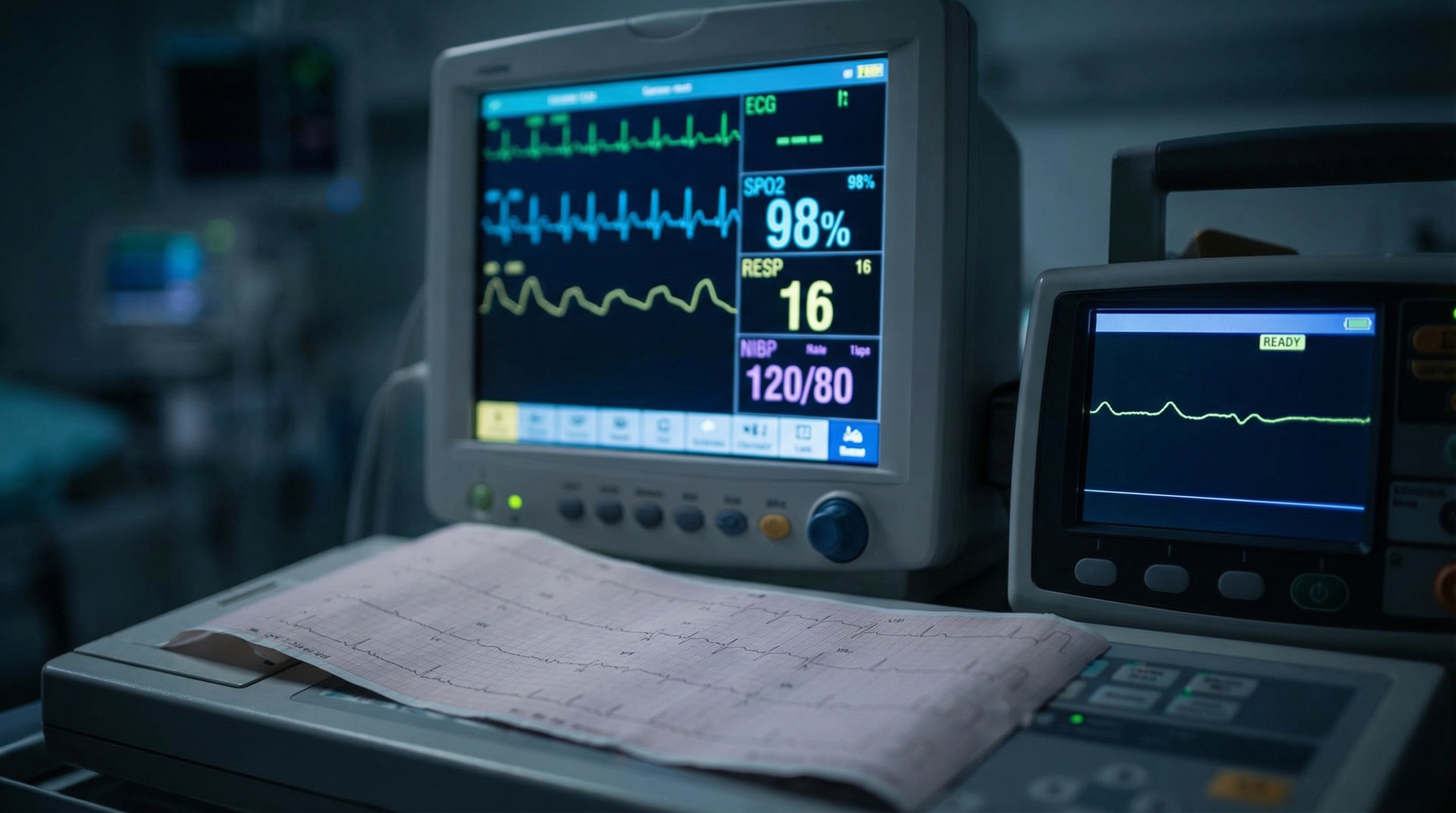
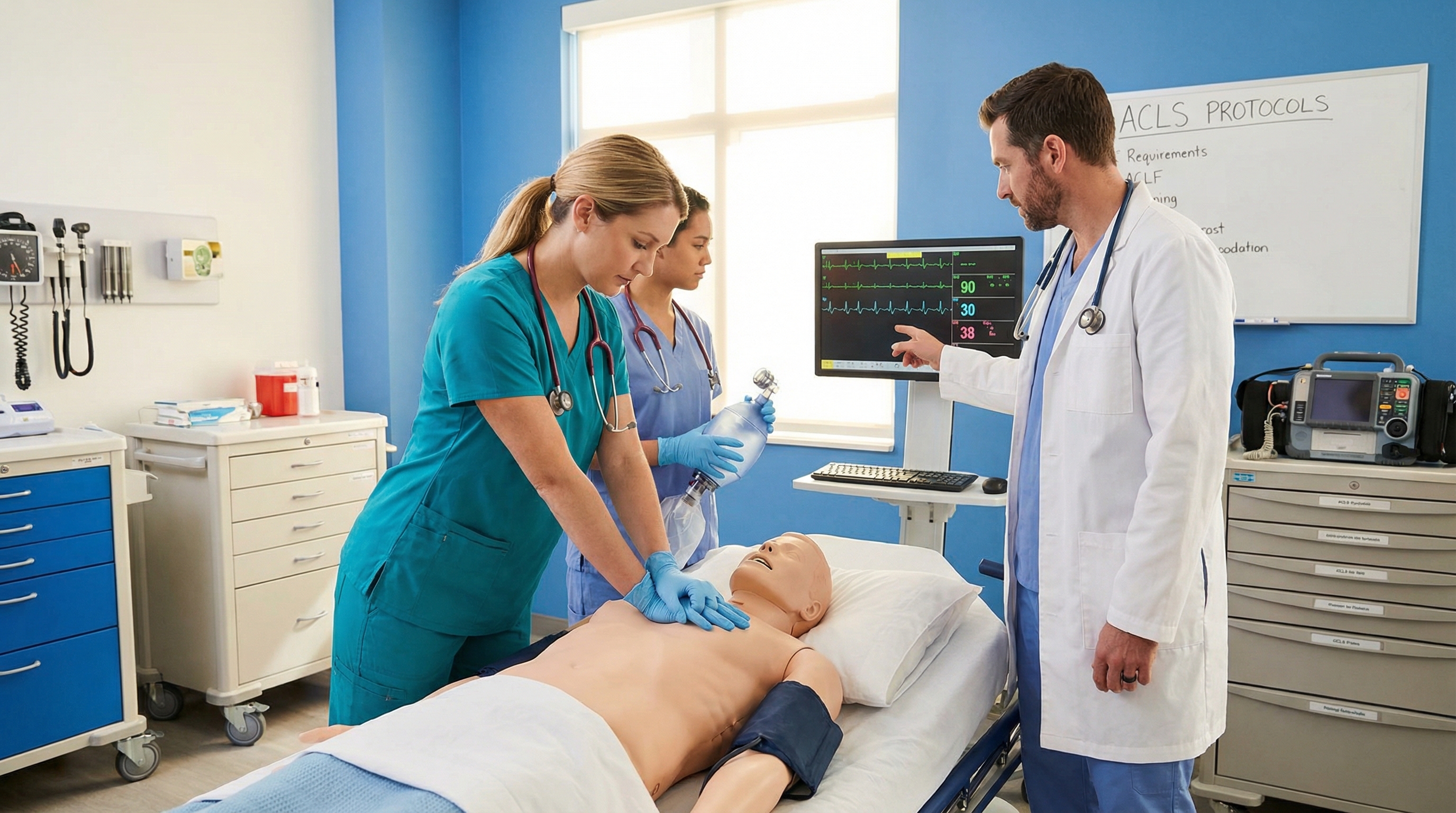
In radiation oncology departments and infusion centers, healthcare professionals face unique cardiac emergencies that extend far beyond the typical scenarios encountered in general medical settings. While oncology teams excel at delivering specialized cancer treatments, they must also be prepared to manage life-threatening cardiovascular complications that can arise suddenly during routine procedures. From severe contrast media reactions during imaging to chemotherapy-induced cardiac events during infusion therapy, these specialized environments demand a workforce equipped with Advanced Cardiovascular Life Support (ACLS) skills tailored to oncology-specific emergencies.
The intersection of oncology and emergency cardiac care has become increasingly important as cancer treatments grow more sophisticated and patient populations more complex. Studies show that chemotherapy-induced cardiotoxicity affects 5% to 48% of patients receiving anthracycline-based therapies, with cardiac-related mortality risk being eight times higher for long-term cancer survivors compared to the general population. Meanwhile, contrast media reactions, though relatively rare, can progress to anaphylaxis requiring immediate ACLS intervention. For radiation oncology and infusion center staff, ACLS certification isn't just a credential—it's a clinical necessity that can mean the difference between life and death when seconds matter.
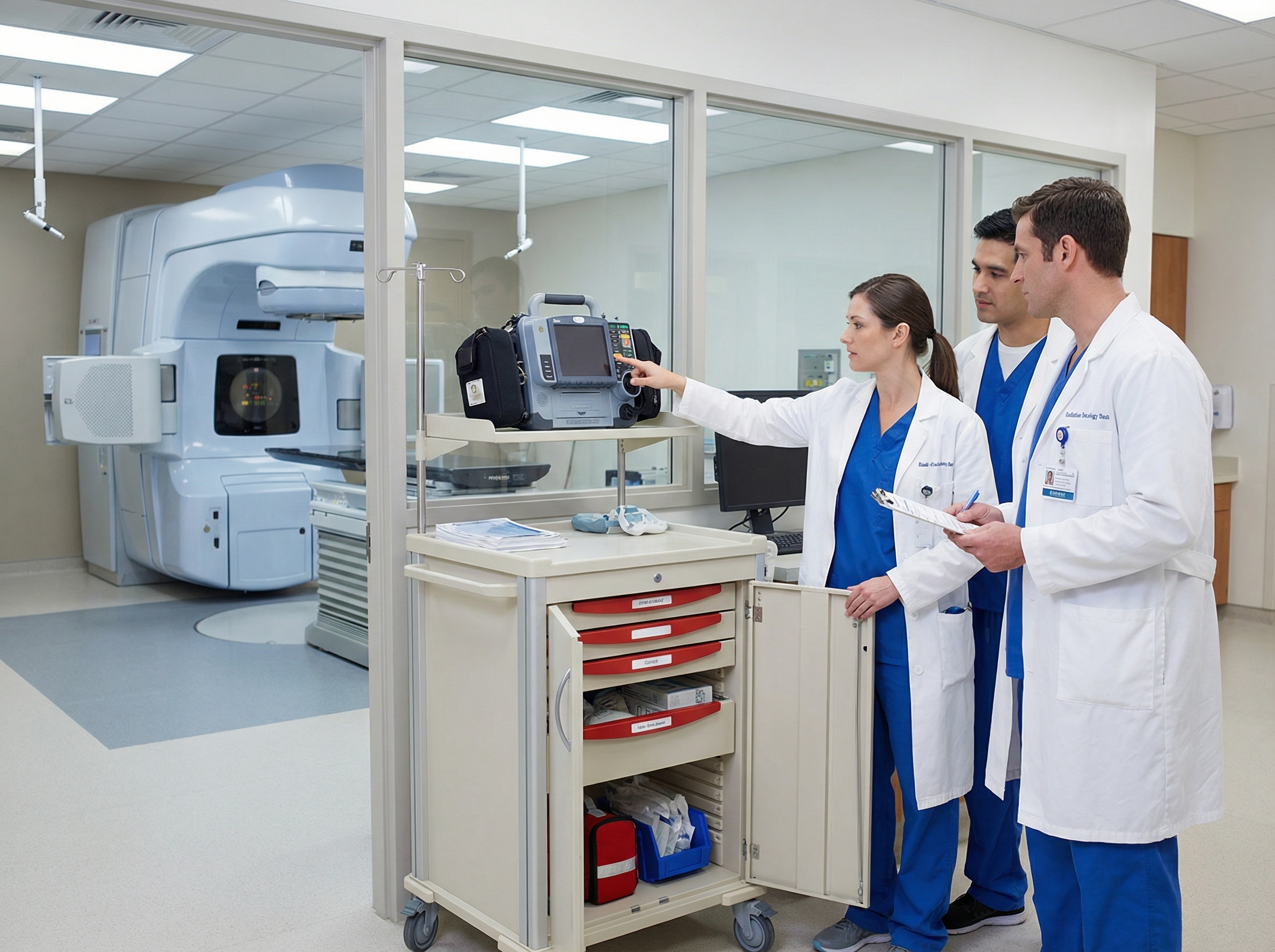
Oncology environments present a unique constellation of cardiovascular risk factors that distinguish them from traditional medical settings. Cancer patients often arrive with compromised baseline health, multiple comorbidities, and physiological stress from their disease burden. When you layer cancer treatments on top of these existing vulnerabilities, the potential for cardiac emergencies multiplies significantly.
Radiation oncology departments frequently utilize contrast-enhanced imaging for treatment planning, tumor localization, and therapy monitoring. While most patients tolerate these contrast agents well, hypersensitivity reactions can range from mild skin manifestations to life-threatening anaphylaxis. According to the American College of Radiology's updated 2024 Manual on Contrast Media, severe immediate reactions occur in approximately 0.04% to 0.4% of contrast administrations, but these events require immediate recognition and expert management.
The clinical presentation of severe contrast reactions can include respiratory distress, bronchospasm, hypotension, tachycardia or bradycardia, and cardiovascular collapse. These symptoms mirror other medical emergencies, making differential diagnosis challenging in the acute moment. Staff trained in ACLS protocols can quickly recognize the characteristic patterns of anaphylaxis, initiate appropriate interventions including epinephrine administration, and manage cardiovascular instability using established algorithms for allergic emergencies.
Infusion centers face an equally serious threat from chemotherapy-induced cardiotoxicity, which can manifest acutely during infusion or develop over time with cumulative exposure. Anthracyclines such as doxorubicin, despite being highly effective cancer treatments, carry well-documented cardiac risks. The incidence of symptomatic congestive heart failure ranges from 4% to over 36% in patients receiving cumulative doxorubicin doses of 500-550 mg/m², with approximately 65% of pediatric patients showing cardiac structural abnormalities after six years of anthracycline therapy.
Other chemotherapy agents pose distinct cardiovascular risks. Fluorouracil (5-FU) can trigger angina-like chest pain in 1% to 68% of patients, with higher rates observed during continuous infusions versus bolus administration. Bevacizumab carries a 2-4% risk of heart failure development. Tyrosine kinase inhibitors may cause QT prolongation and arrhythmias. Checkpoint inhibitors can trigger myocarditis with rapid progression to cardiogenic shock. Each of these scenarios demands immediate recognition and intervention following ACLS protocols adapted to the oncology context.
While ACLS training provides a comprehensive foundation for managing cardiovascular emergencies, certain competencies hold particular relevance for oncology teams. Understanding which skills apply most directly to your clinical environment helps prioritize training focus and improve response efficiency during actual emergencies.
The first moments of any cardiac emergency determine the trajectory of patient outcomes. ACLS training emphasizes systematic assessment using the ABCDE approach (Airway, Breathing, Circulation, Disability, Exposure), which proves invaluable when evaluating a patient experiencing an acute reaction during contrast administration or chemotherapy infusion. Staff must quickly differentiate between various emergency presentations—Is this anaphylaxis? Cardiac arrest? Severe bradycardia? An arrhythmia? Each diagnosis requires different interventions, and ACLS certification provides the framework for making these critical distinctions under pressure.
Cardiac arrhythmias frequently complicate oncology treatments. Patients may develop tachycardia from anaphylaxis, fluid shifts, or cardiotoxic medications. Conversely, vagal stimulation, severe hypoxia, or certain chemotherapy agents can trigger dangerous bradycardia. ACLS certification equips staff to recognize unstable rhythms and implement appropriate interventions. The adult tachycardia algorithm guides management of rapid heart rates, while the bradycardia algorithm addresses slow rhythms that may compromise perfusion. Understanding when to use medications like adenosine, beta-blockers, or atropine versus synchronized cardioversion or transcutaneous pacing can prevent deterioration to cardiac arrest.
Pharmacological interventions form the backbone of ACLS protocols, and oncology staff must be intimately familiar with emergency medications, their indications, dosages, and routes of administration. Epinephrine serves as first-line treatment for anaphylaxis (administered intramuscularly at 0.01 mg/kg, maximum 0.3-0.5 mg) and cardiac arrest (given intravenously at 1 mg every 3-5 minutes). Antihistamines and corticosteroids, while historically used for contrast reactions, have limited evidence supporting their effectiveness in preventing anaphylaxis according to recent guideline updates. Amiodarone, atropine, and calcium chloride each have specific applications in managing various cardiac emergencies. Having rapid access to an ACLS medications reference helps ensure accurate dosing during high-stress situations.
ACLS training emphasizes identifying and correcting reversible causes of cardiac arrest using the H's and T's framework. In oncology settings, this approach proves particularly valuable. Hypersensitivity reactions (a form of "H" for hypersensitivity/anaphylaxis) from contrast or chemotherapy, hypovolemia from inadequate hydration, hypoxia from respiratory compromise, and hyper/hypokalemia from tumor lysis syndrome all represent treatable causes that oncology patients frequently encounter. Understanding the H's and T's of sudden cardiac arrest provides a cognitive checklist that prevents tunnel vision and ensures comprehensive evaluation during resuscitation efforts.
Understanding how ACLS training translates to actual clinical scenarios helps oncology staff appreciate the practical value of certification. Consider these realistic situations that could occur in any radiation oncology department or infusion center:
A 62-year-old patient with lung cancer is undergoing contrast-enhanced CT simulation for radiation treatment planning. Within minutes of contrast injection, the patient reports throat tightness and difficulty breathing. The radiation therapist notices facial swelling, hives across the chest, and audible wheezing. Blood pressure drops from 138/82 to 84/50 mmHg, and oxygen saturation falls to 88% on room air.
An ACLS-certified staff member immediately recognizes anaphylaxis and initiates the emergency response: activating the emergency medical system, positioning the patient supine with legs elevated, administering high-flow oxygen via non-rebreather mask, and most critically, giving intramuscular epinephrine without delay. They establish IV access and begin rapid fluid resuscitation with normal saline. When the patient's oxygen saturation doesn't improve despite oxygen supplementation, the team prepares for potential airway management. The ACLS-trained responder monitors the cardiac rhythm, recognizes compensatory tachycardia, and continues reassessment using systematic ACLS protocols. The patient stabilizes after the second dose of epinephrine, avoiding respiratory failure and cardiovascular collapse.
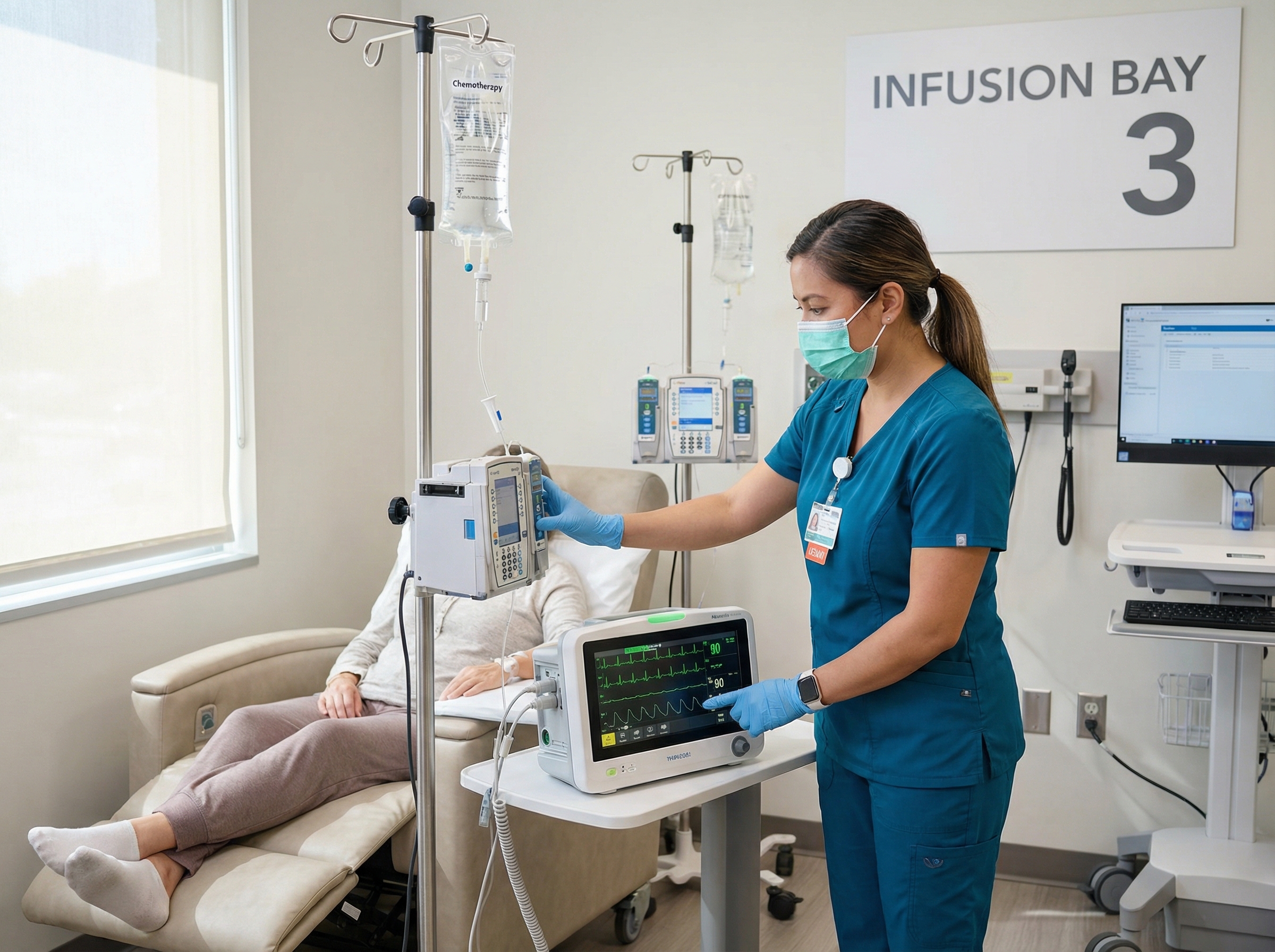
A 48-year-old breast cancer patient receiving her fourth cycle of doxorubicin suddenly reports severe chest pressure and shortness of breath fifteen minutes into the infusion. The infusion nurse notes that the patient appears diaphoretic and anxious, with blood pressure elevated at 168/98 mmHg and heart rate irregular at 142 beats per minute. The cardiac monitor shows rapid atrial fibrillation.
The ACLS-certified infusion nurse immediately stops the chemotherapy infusion, applies continuous cardiac monitoring, and obtains a 12-lead ECG while a colleague calls for emergency medical assistance. Recognizing unstable tachycardia based on the patient's symptoms and hemodynamic status, the team prepares for synchronized cardioversion while administering supplemental oxygen and establishing additional IV access. They review the patient's medication list for contraindications and check recent electrolyte values. When the cardiologist arrives, the ACLS preparation has positioned the patient for optimal intervention, and the team can provide comprehensive information about the event timeline, interventions attempted, and current clinical status. The patient's rhythm converts with synchronized cardioversion, and subsequent evaluation reveals previously undiagnosed cardiomyopathy exacerbated by anthracycline cardiotoxicity.
While individual ACLS certification provides essential knowledge and skills, optimal emergency response in oncology settings requires coordinated team preparation. Radiation oncology departments and infusion centers should develop comprehensive emergency preparedness plans that incorporate ACLS principles into unit-specific protocols.
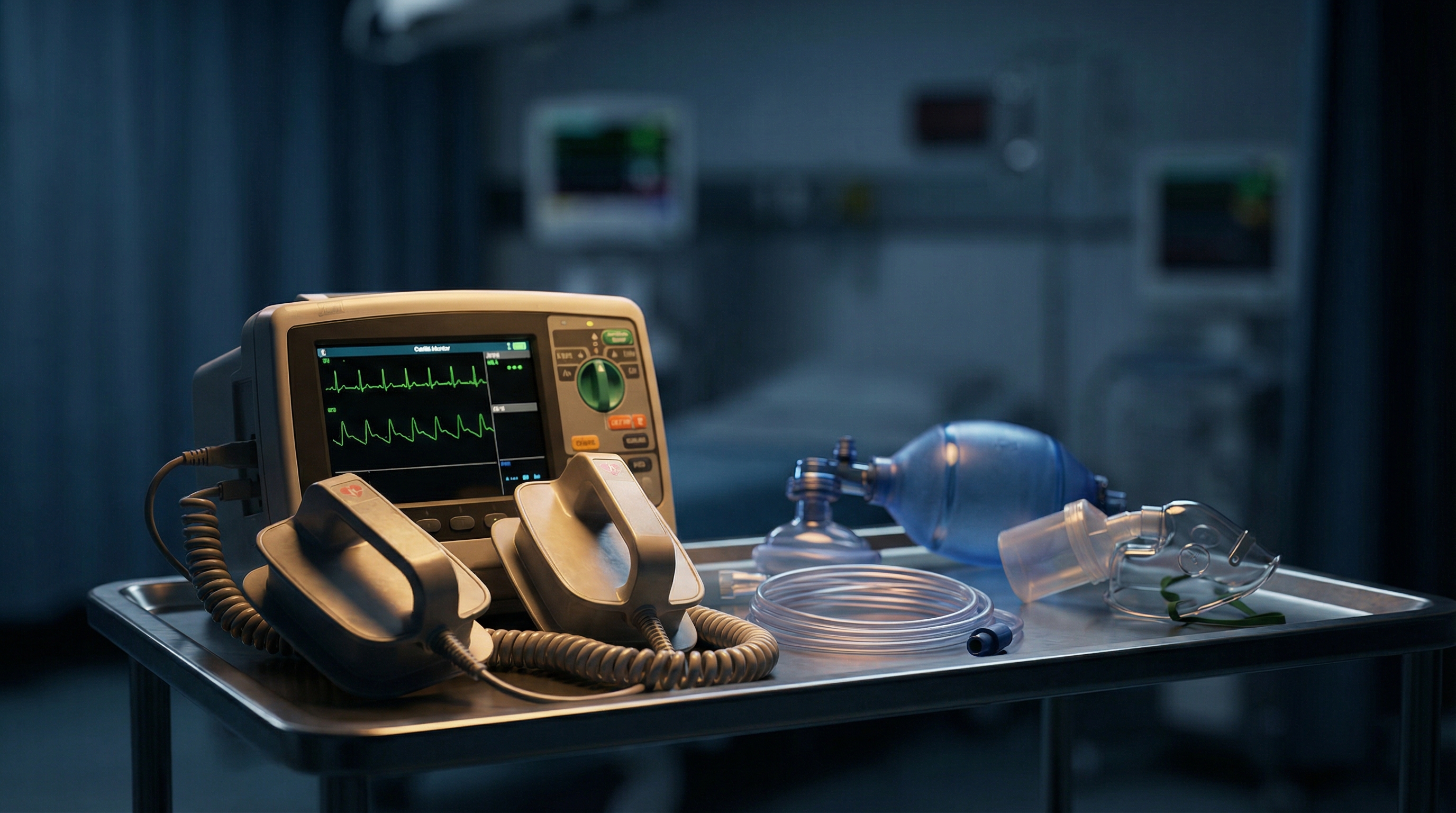
Every radiation oncology and infusion area should maintain immediately accessible emergency equipment including: automated external defibrillator (AED) or manual defibrillator, emergency airway equipment (bag-valve-mask, oral/nasal airways, supraglottic airway devices), oxygen delivery systems with high-flow capability, crash cart with ACLS medications properly stocked and regularly checked, IV access supplies, and blood pressure monitoring equipment. The Radiation Emergency Medical Management guidelines emphasize having survey instruments ready and background radiation levels documented before patient arrivals in radiation emergency scenarios.
ACLS skills deteriorate without regular practice. Oncology departments should conduct quarterly mock codes that simulate realistic scenarios specific to their patient population—contrast reactions during imaging, acute cardiac events during infusion, respiratory compromise from tumor-related complications. These simulations should involve the entire care team, including radiation therapists, oncology nurses, medical physicists, dosimetrists, and administrative staff who might serve as first responders. Debriefing after each simulation identifies system gaps, communication breakdowns, and opportunities for improvement.
Effective emergency response requires seamless coordination between oncology staff, emergency medical services, hospitalists, cardiologists, and intensive care teams. Establishing clear communication protocols, designated team roles during emergencies, and transfer procedures ensures that ACLS-trained oncology staff can provide initial stabilization while mobilizing appropriate resources. Regular interdisciplinary meetings to review emergency cases and update protocols based on current evidence strengthens these collaborative relationships.
Beyond the obvious patient safety benefits, ACLS certification offers significant professional advantages for radiation oncology and infusion center personnel. Many healthcare organizations now require or strongly prefer ACLS certification for oncology nursing positions, recognizing that specialized populations demand specialized emergency preparedness. ACLS certification enhances nursing careers by demonstrating commitment to excellence, expanding clinical competency, and positioning professionals for advancement opportunities.
For radiation therapists, medical dosimetrists, and medical physicists who may not have formal clinical training in emergency response, ACLS certification fills a critical knowledge gap. While these professionals excel at the technical aspects of radiation delivery and treatment planning, they also serve as first responders when patients experience emergencies during treatment sessions. ACLS training provides the clinical framework they need to recognize deteriorating patients, initiate appropriate interventions, and communicate effectively with emergency medical personnel.
Oncology professionals juggling complex schedules, rotating shifts, and demanding clinical responsibilities need ACLS certification options that fit their lifestyle without compromising quality. Traditional in-person ACLS courses, while comprehensive, require full-day commitments that can conflict with patient care responsibilities, create scheduling challenges, and impose significant time and travel burdens. Online ACLS certification offers a practical alternative that maintains clinical rigor while respecting healthcare professionals' time constraints.
When evaluating ACLS certification programs, oncology staff should verify that courses align with current American Heart Association (AHA) and International Liaison Committee on Resuscitation (ILCOR) guidelines, which are updated every five years. The most recent guidelines incorporate evidence-based recommendations for medication dosing, rhythm recognition, and intervention sequencing. Programs should cover all essential ACLS algorithms, provide clear instruction on high-quality CPR, address team dynamics and communication, and offer practical application scenarios relevant to diverse clinical settings.
Affordable ACLS was created by Board Certified Emergency Medicine physicians with over 20 years of combined clinical and academic experience who recognized that healthcare professionals needed a more convenient and cost-effective certification path. Unlike generic online courses, Affordable ACLS was specifically designed by actively practicing ER physicians who understand both the clinical demands of emergency cardiac care and the practical challenges healthcare professionals face in maintaining certifications.
The platform offers ACLS certification for $109 (recertification $99) with immediate digital certification upon course completion. All courses are fully online and self-paced, typically completed in 1-2 hours, allowing oncology staff to train during breaks, between shifts, or from home. The program includes unlimited retakes at no additional cost, removing the anxiety of single-attempt testing and allowing learners to master material at their own pace. Every course adheres to current AHA and ILCOR guidelines, ensuring that radiation oncology and infusion center staff receive training that meets national standards and employer requirements.
For oncology departments seeking to certify multiple team members, Affordable ACLS provides an efficient and budget-friendly solution. Rather than coordinating schedules for multiple staff members to attend day-long off-site courses, departments can implement a rolling certification approach where team members complete training individually as their schedules permit. This minimizes staffing disruptions while ensuring comprehensive team preparedness. The company backs all certifications with a money-back guarantee, demonstrating confidence in both course quality and employer acceptance.
While ACLS provides the foundation for managing adult cardiovascular emergencies, oncology professionals may benefit from additional certifications depending on their patient population. Pediatric oncology settings require Pediatric Advanced Life Support (PALS) certification, which addresses age-specific differences in anatomy, physiology, medication dosing, and resuscitation techniques. Basic Life Support (BLS) certification remains essential for all healthcare providers as the foundation of high-quality CPR and initial emergency response. Understanding which certifications your role requires helps prioritize training investments and ensures comprehensive preparedness.
Affordable ACLS offers all three certifications—ACLS, PALS, and BLS—with bundle pricing options that provide additional savings for professionals needing multiple credentials. This integrated approach allows oncology staff to complete all required certifications through a single platform, using consistent educational methodology and maintaining all certifications on synchronized renewal schedules.
Radiation oncology departments and infusion centers occupy a unique position in healthcare—delivering highly specialized cancer treatments while simultaneously managing the complex medical needs and emergency risks of a vulnerable patient population. The cardiovascular emergencies that can arise from contrast media reactions and chemotherapy-induced cardiac events demand immediate, expert intervention that can only come from properly trained staff.
ACLS certification should be considered standard preparation for all clinical personnel working in these environments, not an optional credential. The skills acquired through ACLS training—rapid assessment, systematic intervention, medication management, rhythm recognition, and team coordination—directly translate to improved patient outcomes when emergencies occur. As cancer treatments continue to advance and patient populations grow more medically complex, the intersection of oncology and emergency cardiac care will only become more critical.
For radiation oncology and infusion center professionals ready to enhance their emergency preparedness, Affordable ACLS offers a practical, affordable, and clinically rigorous certification solution designed by emergency physicians who understand your needs. Visit Affordable ACLS at www.affordableacls.com to begin your certification today, or contact the team at 866-655-2157 or support@affordableacls.com with any questions. Your next patient emergency may not wait for a convenient training date—prepare now with ACLS certification that fits your schedule and budget.
.jpg)