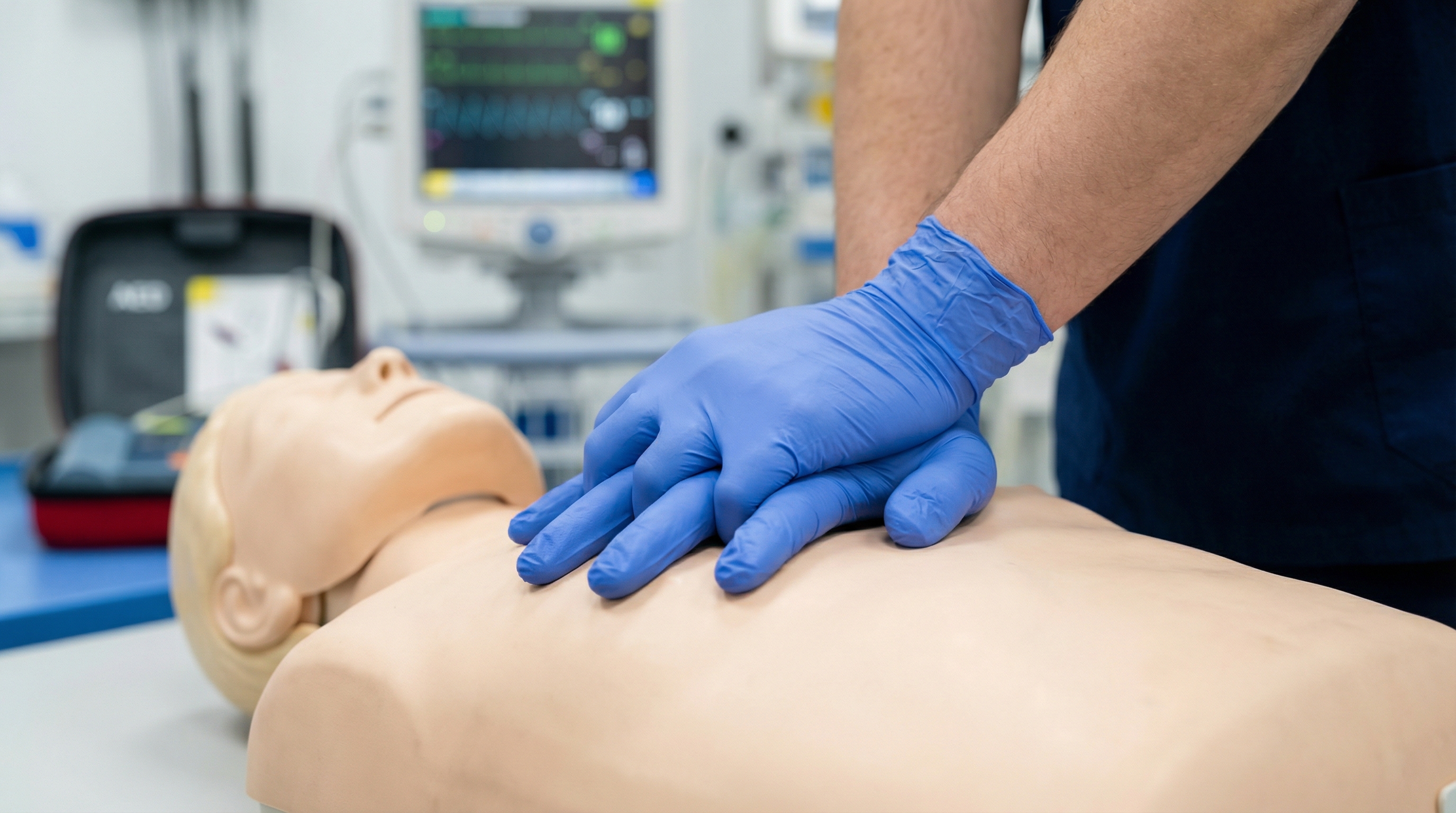
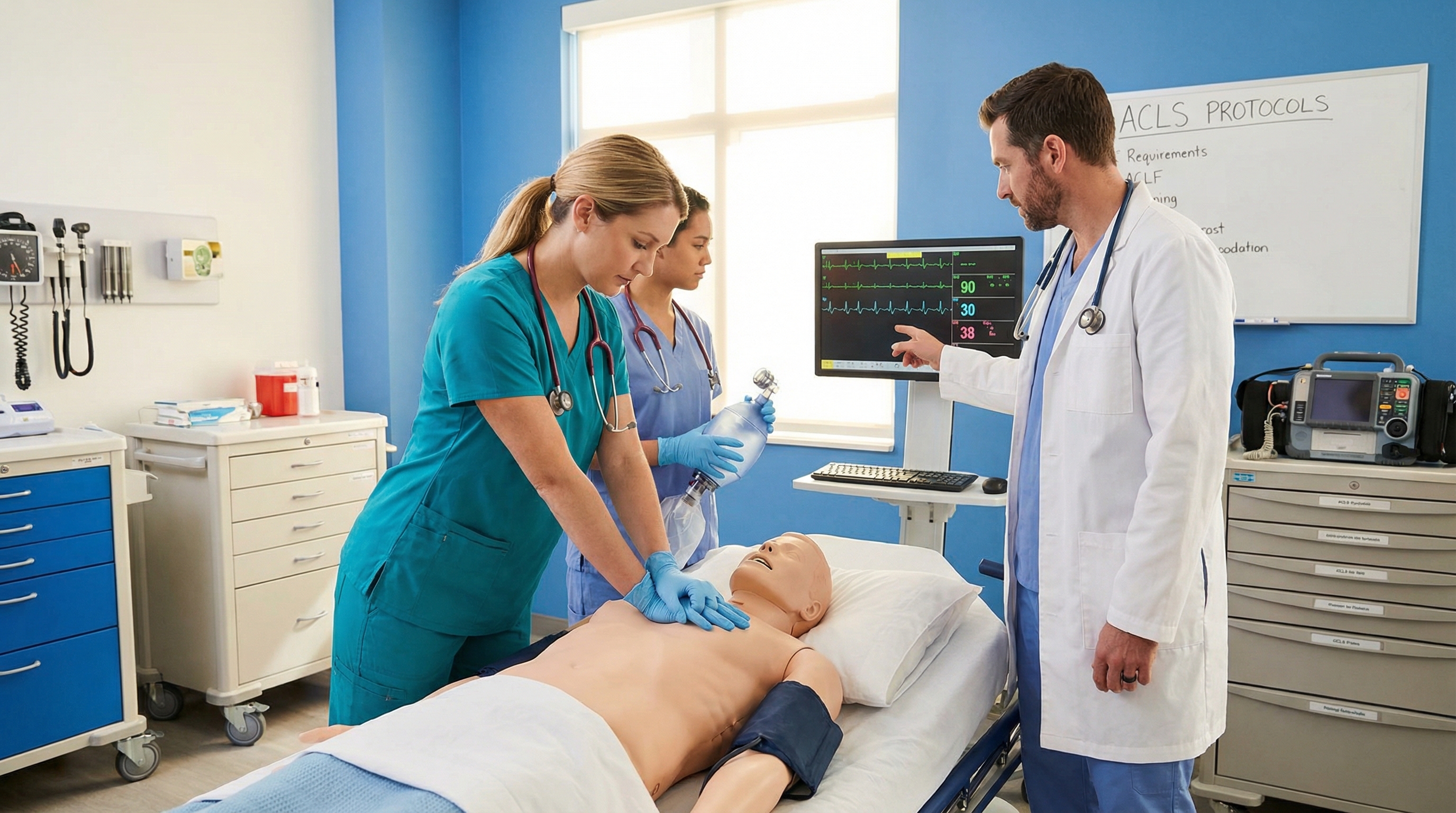
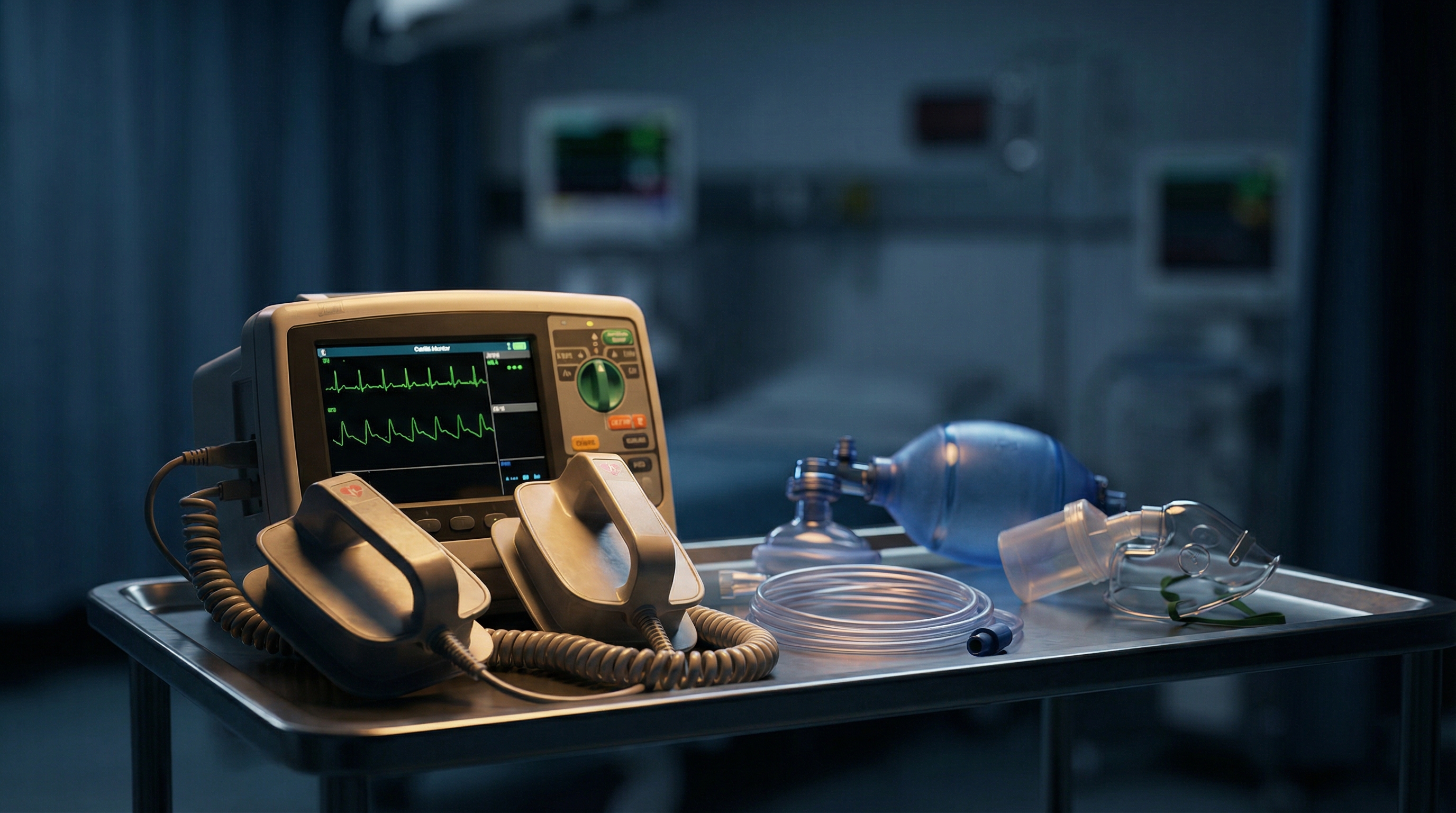
Addiction medicine professionals face a clinical reality that sets them apart from most healthcare providers: their patients present with overdose-related cardiac emergencies that demand rapid, specialized ACLS interventions combined with toxicology expertise. According to research from the American Heart Association, more than 15% of opioid overdose emergency medical service cases include cardiac arrest, while studies show that 8.6% of patients hospitalized with opioid overdose develop at least one cardiovascular event. The intersection of substance use disorders and cardiac emergencies creates a clinical landscape where standard ACLS protocols must be adapted to account for toxicological mechanisms, polysubstance interactions, and the unique pathophysiology of drug-induced cardiac complications.
For physicians, nurses, and emergency responders working in addiction medicine settings—whether in medication-assisted treatment clinics, detoxification facilities, harm reduction programs, or emergency departments serving populations with substance use disorders—mastering the suspected opioid overdose algorithm alongside advanced cardiac life support skills represents an essential clinical competency. This comprehensive guide explores the cardiac complications that emerge during opioid and stimulant overdose, the evidence-based ACLS interventions that save lives, and the specialized knowledge that addiction medicine professionals need to navigate these complex resuscitation scenarios.
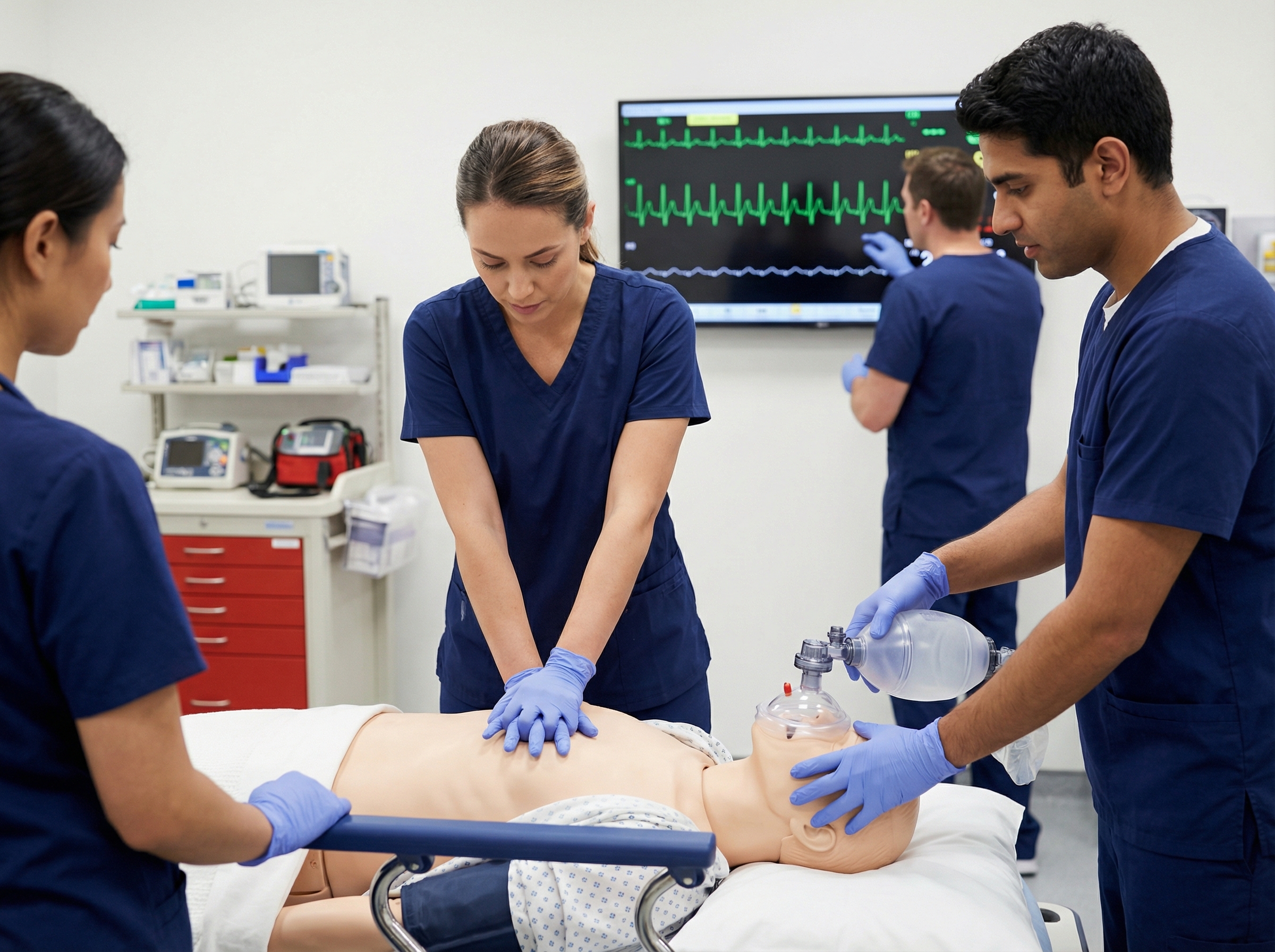
Opioid overdose creates a cascade of physiological derangements that culminate in cardiac arrest through mechanisms distinctly different from primary cardiac events. The respiratory depression characteristic of opioid toxicity leads to progressive hypoxemia and hypercarbia, which in turn trigger secondary cardiac dysfunction. Unlike sudden cardiac arrest from ventricular fibrillation in acute coronary syndrome, opioid-associated out-of-hospital cardiac arrest (OA-OHCA) typically follows a pattern of respiratory arrest progressing to hypoxic cardiac arrest, most commonly presenting as pulseless electrical activity or asystole rather than shockable rhythms.
Research published in the Journal of the American College of Cardiology documents that opioid-intoxicated patients exhibit significant cardiovascular abnormalities, including hypotension in 39.2% of cases and electrocardiogram changes in 72.5%, with sinus bradycardia being the most common arrhythmia. The direct cardiotoxic effects of certain opioids, combined with the global hypoxia from respiratory failure, create a clinical picture where both airway management and circulatory support must be addressed simultaneously. Echocardiographic abnormalities appear in 40% of cases, reflecting the myocardial stunning that occurs during prolonged hypoxemic episodes.
The specific cardiac complications observed during opioid overdose include ischemic events in 3.2% of hospitalized patients, acute heart failure in 0.7%, and arrhythmias in 5.2%. Critically, patients who develop new-onset cardiovascular events during opioid overdose hospitalization face dramatically increased mortality risk, with odds ratios of 4.55 compared to patients without cardiovascular complications. This underscores the importance of early recognition and aggressive ACLS intervention for addiction medicine professionals encountering patients with suspected opioid toxicity.
Stimulant overdose—whether from cocaine, methamphetamine, or synthetic cathinones—presents an entirely different cardiac challenge. Rather than the hypoxic, bradycardic picture of opioid toxicity, stimulants trigger a hyperadrenergic state characterized by extreme tachycardia, hypertension, and increased myocardial oxygen demand that can precipitate acute coronary syndrome, malignant arrhythmias, and sudden cardiac death. According to research published in JAMA Network Open, overdose-related cardiac arrests are rising particularly with stimulant-opioid combinations, creating complex presentations that require nuanced clinical decision-making.
The cardiac complications of stimulant toxicity include coronary vasospasm leading to myocardial infarction (even in patients with normal coronary arteries), accelerated atherosclerosis from chronic use, increased platelet aggregation and thrombosis, direct myocardial toxicity causing cardiomyopathy, and life-threatening arrhythmias including ventricular tachycardia and ventricular fibrillation. Understanding cocaine overdose and wide complex tachycardia becomes essential for clinicians working in addiction medicine, as the presentation and treatment differ significantly from other tachyarrhythmias.
Cocaine, in particular, blocks sodium channels in cardiac tissue, creating a membrane-stabilizing effect similar to Class I antiarrhythmics. This mechanism can prolong the QRS duration and precipitate wide complex tachycardias that may be mistaken for ventricular tachycardia. The clinical challenge lies in differentiating between supraventricular tachycardia with aberrancy (which might respond to adenosine or synchronized cardioversion) and true ventricular tachycardia requiring immediate defibrillation or antiarrhythmic therapy. The sympathomimetic effects combined with local anesthetic properties make stimulant-induced cardiac arrest particularly refractory to standard resuscitation efforts, often requiring prolonged CPR and higher cumulative doses of ACLS medications.
Modern overdose presentations rarely involve a single substance. The epidemic of polysubstance use—particularly the combination of opioids with stimulants (cocaine or methamphetamine), benzodiazepines, alcohol, or synthetic cannabinoids—creates cardiac emergencies with overlapping and sometimes contradictory pathophysiological mechanisms. Data shows that deaths from polysubstance overdose increased by 760% between 1999 and 2018 in adolescents and young adults, far outpacing opioid-only overdose increases of 384% over the same period.
The clinical challenge of polysubstance overdose lies in the unpredictable cardiac effects. A patient who has consumed both heroin and methamphetamine may present with elements of both opioid-induced respiratory depression and stimulant-induced tachyarrhythmia, requiring the addiction medicine professional to prioritize interventions based on the most immediately life-threatening pathology. The respiratory depression from opioids may partially mask the sympathomimetic cardiovascular effects of stimulants, only for severe tachycardia and hypertension to emerge following naloxone administration. Conversely, the CNS depressant effects of opioids and benzodiazepines combined can produce profound bradycardia and hypotension that complicates resuscitation efforts.
Addiction medicine professionals must maintain a high index of suspicion for polysubstance involvement in any overdose presentation and be prepared to adapt their ACLS interventions accordingly. This requires familiarity with the cardiac effects of multiple substance classes and the ability to recognize when standard protocols may need modification based on the toxicological context.
The 2015 American Heart Association guidelines and subsequent updates provide specific guidance for managing opioid-associated cardiac arrest, though the recommendations acknowledge significant gaps in the evidence base. The fundamental principle is that standard ACLS protocols—particularly high-quality CPR with adequate compression depth and rate, minimal interruptions, and appropriate ventilation—remain the cornerstone of resuscitation. According to AHA guidelines on special circumstances of resuscitation, patients with opioid-associated cardiac arrest are managed primarily in accordance with standard ACLS practices, with specific modifications related to naloxone administration and airway management.
For confirmed cardiac arrest with absent pulse, standard resuscitative measures take absolute priority over naloxone administration. This represents a Class I, Level of Evidence C-EO recommendation. The focus must be on establishing high-quality CPR with appropriate compression-to-ventilation ratios, securing an advanced airway when indicated, obtaining vascular access, and following standard algorithms for shockable and non-shockable rhythms. Understanding the Hs and Ts of sudden cardiac arrest becomes particularly relevant, as "Toxins" represents one of the reversible causes that addiction medicine professionals are uniquely positioned to address.
The role of naloxone in confirmed cardiac arrest remains controversial. The AHA guidelines state they "can make no recommendation regarding the administration of naloxone in confirmed opioid-associated cardiac arrest." The rationale is that naloxone reverses opioid-induced respiratory depression but does not directly reverse cardiac arrest once it has occurred. The hypoxic-ischemic injury to the myocardium requires restoration of perfusion through CPR and, when appropriate, defibrillation. However, for peri-arrest situations where the presence or absence of a pulse is uncertain, it may be reasonable to administer intramuscular or intranasal naloxone (Class IIb, LOE C-EO) based on the possibility that the patient has not yet progressed to full cardiac arrest.
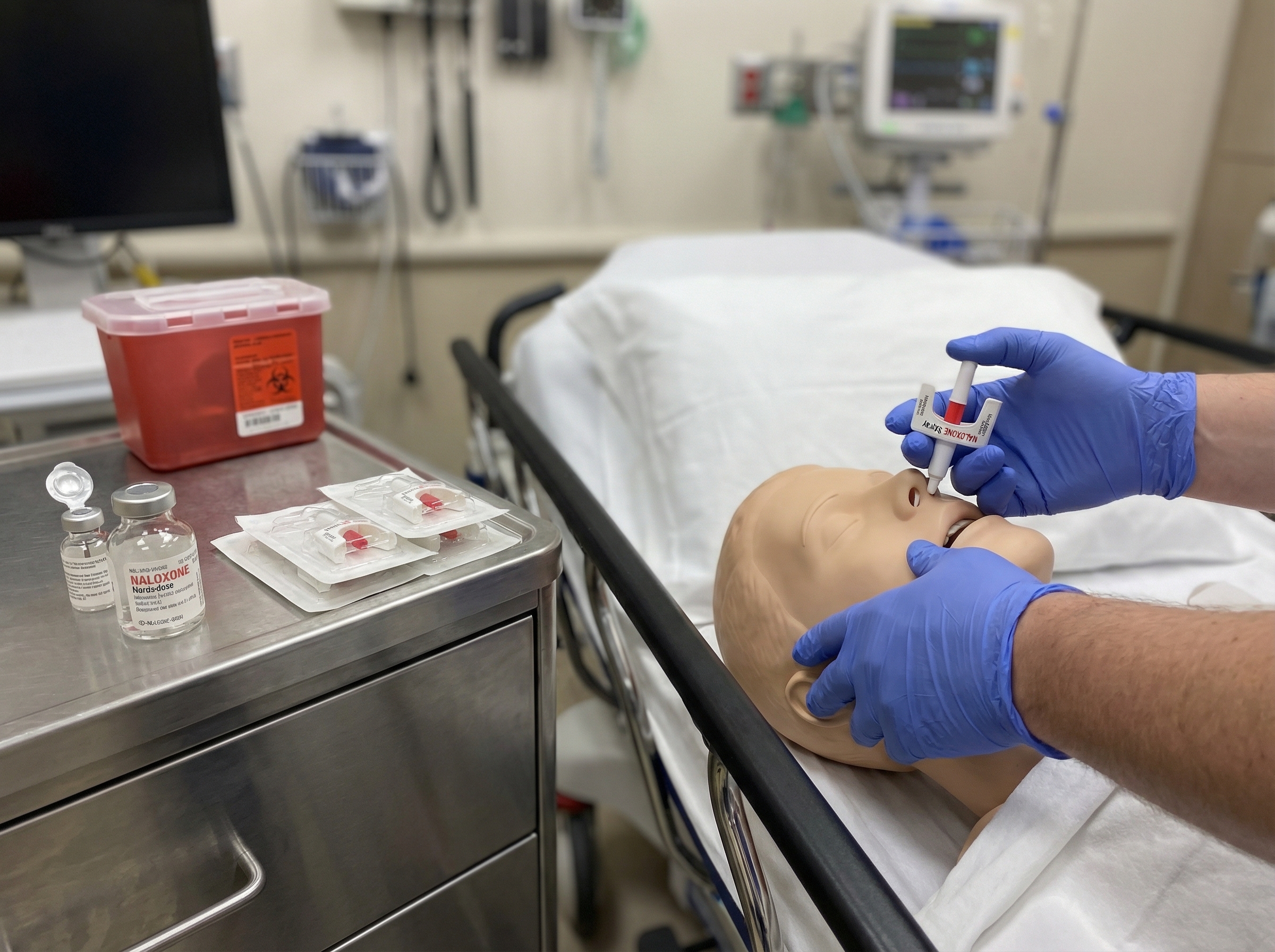
For patients with a perfusing cardiac rhythm but severe respiratory depression or respiratory arrest, ACLS providers should support ventilation and administer naloxone. The recommended dosing is 0.4 mg IV/IO/IM or 2 mg intranasal, repeated every 2-3 minutes as needed. Addiction medicine professionals must be aware of the potential for acute opioid withdrawal symptoms following naloxone administration, which can include agitation, vomiting, hypertension, and tachycardia. In some cases, these withdrawal-related cardiovascular changes can complicate the clinical picture, particularly in patients with underlying cardiac disease or concurrent stimulant use.
The pharmacological interventions that form the foundation of ACLS take on additional complexity in the context of overdose-related cardiac arrest. Epinephrine, the primary vasopressor used in cardiac arrest, is administered at 1 mg IV/IO every 3-5 minutes during resuscitation regardless of the underlying etiology. However, in stimulant-induced cardiac arrest where the patient already has elevated endogenous catecholamines, some experts express concern about the additional sympathomimetic stimulation from exogenous epinephrine, though current guidelines do not recommend withholding it. The ACLS medications cheat sheet provides essential dosing information, but addiction medicine professionals must understand how the toxicological context affects medication selection and response.
Amiodarone, the preferred antiarrhythmic for ventricular fibrillation and pulseless ventricular tachycardia refractory to defibrillation, is given at 300 mg IV/IO for the first dose, followed by 150 mg for the second dose. In cocaine-induced cardiac arrest, where sodium channel blockade contributes to arrhythmogenesis, sodium bicarbonate (1 mEq/kg IV) may be considered to overcome the sodium channel blockade, though evidence for this intervention remains limited. Lidocaine, an alternative to amiodarone, should be used with caution in cocaine toxicity due to its own sodium channel blocking properties that could theoretically worsen cocaine-induced conduction abnormalities.
Benzodiazepines play a unique role in stimulant-induced cardiac emergencies that extends beyond standard ACLS protocols. For patients with cocaine- or methamphetamine-induced chest pain, hypertension, or tachycardia who have not yet experienced cardiac arrest, benzodiazepines (such as lorazepam 2-4 mg IV or diazepam 5-10 mg IV) serve as first-line therapy to reduce sympathetic tone and myocardial oxygen demand. This anxiolytic and sedative effect can prevent progression to more severe arrhythmias or acute coronary syndrome. Beta-blockers, conversely, are relatively contraindicated in cocaine toxicity due to the risk of unopposed alpha-adrenergic stimulation leading to coronary vasospasm and worsened hypertension.
Opioid-associated cardiac arrest typically presents with non-shockable rhythms—pulseless electrical activity (PEA) or asystole—reflecting the hypoxic mechanism of arrest rather than primary cardiac pathology. This pattern has important prognostic implications. While shockable rhythms like ventricular fibrillation generally carry better survival outcomes in standard cardiac arrest, the non-shockable presentation of opioid-associated arrest may actually indicate a more reversible etiology if hypoxia can be rapidly corrected through effective ventilation and circulation. Addiction medicine professionals must recognize that aggressive airway management and high-quality ventilation take on even greater importance in these cases than in primary cardiac events.
Conversely, stimulant-induced cardiac arrest frequently presents with shockable rhythms including ventricular tachycardia and ventricular fibrillation. The hyperadrenergic state, myocardial ischemia, and direct cardiotoxic effects of stimulants create the conditions for malignant ventricular arrhythmias. The ACLS protocol for shockable rhythms applies: immediate defibrillation at 120-200 J biphasic (or 360 J monophasic), resumption of CPR for 2 minutes, rhythm check, and subsequent defibrillation if the shockable rhythm persists. After the second or third shock, vasopressors and antiarrhythmics are added according to standard protocol.
Wide complex tachycardia in the overdose patient presents a particular diagnostic challenge. Cocaine and other local anesthetic-like drugs can cause QRS prolongation and wide complex rhythms that may represent either ventricular tachycardia or supraventricular tachycardia with aberrancy due to sodium channel blockade. The distinction matters significantly for treatment: stable monomorphic ventricular tachycardia might be treated with synchronized cardioversion or antiarrhythmic medications, while SVT with aberrancy might respond to vagal maneuvers or adenosine (though adenosine is generally avoided in irregular wide complex tachycardia due to the risk of precipitating ventricular fibrillation). When doubt exists about the rhythm origin in a patient with stimulant toxicity, treating as ventricular tachycardia is the safest approach.
Airway management in opioid-associated cardiac arrest demands specific technical considerations beyond standard ACLS airway protocols. Opioid-intoxicated patients frequently have decreased protective airway reflexes, placing them at high risk for aspiration of gastric contents during resuscitation. The combination of CNS depression, possible vomiting from naloxone administration or the overdose itself, and the need for positive pressure ventilation creates a perfect storm for aspiration pneumonitis. Addiction medicine professionals should maintain a low threshold for early advanced airway placement (endotracheal intubation or supraglottic airway device) to protect the airway and ensure adequate oxygenation and ventilation.
However, the decision to place an advanced airway must be balanced against the data showing that excessive ventilation is common during CPR and can be detrimental by increasing intrathoracic pressure, decreasing venous return, and reducing coronary and cerebral perfusion. For opioid-associated cardiac arrest, where the arrest mechanism is primarily respiratory, there may be a tendency to focus excessively on ventilation at the expense of high-quality chest compressions. The ACLS guidelines emphasize that compressions should not be interrupted for more than 10 seconds for airway management, and that bag-valve-mask ventilation with an oropharyngeal or nasopharyngeal airway is acceptable and may even be preferable to poorly-performed intubation attempts that cause prolonged interruptions in CPR.
Once an advanced airway is placed, continuous chest compressions should be provided at a rate of 100-120 per minute, with ventilations delivered asynchronously at a rate of 10 breaths per minute (one breath every 6 seconds). Confirmation of tube placement with continuous quantitative waveform capnography is essential—not only to verify tracheal placement but also to monitor CPR quality, as an ETCO2 below 10 mmHg suggests inadequate chest compressions. In overdose patients who achieve return of spontaneous circulation, aggressive post-resuscitation care including targeted temperature management, avoidance of hyperoxia and hypoxia, and hemodynamic support optimizes neurological outcomes.
Addiction medicine professionals encounter unique patient populations that require adaptation of standard ACLS protocols. Pregnant patients with substance use disorders present particular challenges, as maternal cardiac arrest necessitates consideration of perimortem cesarean delivery within 5 minutes of arrest onset if initial resuscitation efforts are unsuccessful and gestational age is 20 weeks or greater. The physiological changes of pregnancy—including increased oxygen consumption, decreased functional residual capacity, and aortocaval compression in the supine position—compound the respiratory compromise of opioid overdose. Manual left uterine displacement or placement of the patient in left lateral tilt must be incorporated into the resuscitation to relieve aortocaval compression and improve venous return.
Patients with chronic substance use disorders often have multiple comorbidities that affect cardiac arrest outcomes. Injection drug use is associated with infectious endocarditis, which can lead to valvular dysfunction and embolic phenomena including septic pulmonary emboli and cerebral abscesses. Chronic hepatitis C infection, common in people who inject drugs, may be associated with cardiomyopathy and increased cardiovascular mortality. HIV infection, also prevalent in some populations with substance use disorders, independently increases cardiovascular disease risk. These comorbidities must be considered when making decisions about the intensity and duration of resuscitation efforts, though the general principle remains that many overdose patients are young and previously healthy individuals who deserve aggressive resuscitation attempts.
The social context of overdose also impacts resuscitation. Many overdoses occur in locations where bystanders may be reluctant to call 911 due to fear of legal consequences, leading to delays in emergency medical services activation and decreased survival. Addiction medicine professionals can play an important role in education and advocacy around Good Samaritan laws that provide legal protection for individuals who seek medical assistance during overdose events. The clinical recognition that delayed response is common in overdose scenarios should increase suspicion for complications like aspiration pneumonia, rhabdomyolysis, and anoxic brain injury.
The period following successful resuscitation from overdose-related cardiac arrest presents distinct challenges that extend beyond standard post-cardiac arrest care. According to emergency medicine experts, the mainstay of treatment for poisoned patients following return of spontaneous circulation is provision of aggressive, protocolized supportive care with specific focus on systemic and cerebral perfusion, adequate oxygenation and ventilation, and prevention and management of secondary injury such as rhabdomyolysis and aspiration. The toxicological context requires ongoing attention to potential continued drug absorption, redistribution of lipophilic drugs from tissue stores, and the possibility of coingestants with delayed or prolonged effects.
Targeted temperature management, a key component of post-cardiac arrest care for many patients, should be considered in comatose overdose survivors. However, the implementation must account for the patient's core temperature on presentation—opioid overdose patients found after prolonged exposure may be hypothermic on arrival, while stimulant-intoxicated patients may be hyperthermic from the drug's effect and/or from seizures or agitation. Hyperthermia in the setting of stimulant toxicity is associated with worse outcomes and requires aggressive cooling measures. Hemodynamic support with vasopressors or inotropes should be guided by underlying cardiovascular function and the specific toxin involved, recognizing that stimulant-induced cardiomyopathy may benefit from different strategies than the hypotension of opioid toxicity.
Complications in the post-resuscitation period include aspiration pneumonitis and pneumonia, requiring chest imaging and antibiotic therapy when indicated; acute kidney injury from rhabdomyolysis, myoglobinuria, or hypotension, necessitating aggressive fluid resuscitation and monitoring of renal function; seizures, particularly with stimulant or polysubstance toxicity, treated with benzodiazepines; and acute withdrawal syndromes as drug levels decline, which may complicate cardiovascular stability. The addiction medicine professional must also consider the patient's substance use disorder as a chronic medical condition requiring ongoing treatment, and the cardiac arrest event as an opportunity to engage the patient in medication-assisted treatment, counseling, and recovery support services once medically stabilized.
Given the high-risk nature of cardiac emergencies in addiction medicine settings, ACLS certification is not merely recommended but often required for physicians, nurse practitioners, physician assistants, and registered nurses working in these environments. Traditional ACLS certification courses cover the fundamental algorithms and skills needed for cardiac arrest management, but they may not adequately address the specific toxicological scenarios that addiction medicine professionals encounter regularly. Recognizing this gap, some institutions have developed specialized training modules that integrate ACLS skills with toxicology-focused content, covering topics like naloxone administration protocols, management of stimulant-induced tachyarrhythmias, and the unique challenges of polysubstance overdose resuscitation.
Online ACLS certification through platforms like Affordable ACLS offers particular advantages for addiction medicine professionals who need flexible, self-paced learning that accommodates demanding clinical schedules. The online format allows clinicians to review specific high-yield topics—such as cardiac arrest algorithms, medication dosing, and rhythm recognition—as frequently as needed to maintain competency. Understanding which certification you actually need between ACLS, PALS, and BLS is important for professionals in addiction medicine, as many work in settings where they care for patients across the lifespan, including adolescents and young adults who comprise a significant portion of overdose cases.
For addiction medicine facilities, establishing a culture of preparedness requires not only ensuring that staff maintain current ACLS certification but also conducting regular mock codes and scenario-based training that simulates the specific types of emergencies encountered in these settings. These simulations should include scenarios involving patients in various stages of overdose toxicity, cardiac arrest from different substances, and complications like aspiration or seizures. Regular equipment checks to ensure that crash carts are stocked with appropriate ACLS medications, bag-valve-mask devices, airway equipment, and naloxone creates the infrastructure for effective emergency response. The goal is to build institutional muscle memory so that when a real cardiac emergency occurs, the response is automatic, coordinated, and evidence-based.
While ACLS skills are essential for managing cardiac emergencies when they occur, addiction medicine professionals are uniquely positioned to implement harm reduction and prevention strategies that reduce the incidence of overdose-related cardiac arrest in the first place. Supervised consumption sites, where people can use pre-obtained drugs under medical observation, have demonstrated significant reductions in overdose mortality without increasing drug use or crime in surrounding communities. Medical personnel staffing these sites can intervene immediately at the first signs of overdose—respiratory depression, decreased consciousness, or cardiovascular instability—before progression to cardiac arrest occurs.
Distribution of naloxone to people who use opioids and their family members, friends, and community members represents another evidence-based intervention that prevents progression from respiratory depression to cardiac arrest. Education on recognizing signs of overdose, calling 911, providing rescue breathing, and administering intranasal or intramuscular naloxone empowers non-medical bystanders to initiate life-saving interventions. Drug checking services that allow people to test their substances for unexpected adulterants—particularly fentanyl and its analogs, which have dramatically increased overdose mortality—enable more informed decision-making about drug use and can prompt people to seek safer alternatives or adjust their dosing.
Medication-assisted treatment with methadone, buprenorphine, or naltrexone reduces overdose risk by stabilizing opioid use disorder, eliminating withdrawal symptoms, and blocking or reducing euphoric effects of opioid use. For stimulant use disorders, emerging pharmacological treatments and evidence-based psychosocial interventions can reduce use and associated complications. Addiction medicine professionals who integrate these prevention and treatment modalities with readiness to respond to cardiac emergencies provide comprehensive care that addresses both the acute life threats and the chronic disease underlying substance use disorders.
Effective management of overdose-related cardiac arrest extends beyond individual clinical skills to encompass systems-level interventions that optimize outcomes across populations. Emergency medical services protocols increasingly recognize opioid-associated cardiac arrest as a distinct clinical entity requiring specific response strategies. Some EMS systems have implemented guidelines that emphasize high-quality CPR as the priority in confirmed cardiac arrest while allowing naloxone administration in peri-arrest situations where pulse presence is uncertain. Training EMS personnel in rapid recognition of overdose scenarios and appropriate adaptation of resuscitation protocols has become a focus of pre-hospital emergency medicine education.
Hospital emergency departments and addiction medicine facilities can establish overdose response teams analogous to rapid response teams or code blue teams for cardiac arrest. These teams, with specific training in toxicology-focused resuscitation, can be activated when an overdose patient deteriorates or presents in extremis. The team would include personnel with ACLS certification, airway management expertise, and familiarity with antidotes and supportive care specific to various substance classes. Having a predetermined team structure, clear role assignments, and practiced communication protocols enhances coordination during high-stress resuscitations and reduces the cognitive burden on individual providers.
Data collection and quality improvement initiatives focused on overdose-related cardiac arrest provide opportunities to identify trends, evaluate interventions, and refine protocols. Tracking metrics such as time to naloxone administration, time to first CPR compression, duration of resuscitation, return of spontaneous circulation rates, and neurologically intact survival allows addiction medicine programs to benchmark their performance and implement targeted improvements. Integration with regional overdose surveillance systems helps identify emerging trends—such as the appearance of novel synthetic opioids or stimulants in the drug supply—that may alter the risk profile and inform both clinical practice and public health responses.
Despite the urgent clinical need, significant gaps remain in the evidence base guiding ACLS management of overdose-related cardiac arrest. Current guidelines acknowledge that recommendations regarding naloxone use in confirmed cardiac arrest are based on limited data, and expert consensus differs on optimal timing and dosing. Prospective randomized trials examining naloxone administration strategies during cardiac arrest, dosing protocols for ACLS medications in toxicological arrest, and the role of lipid emulsion therapy for local anesthetic systemic toxicity from cocaine would provide much-needed evidence to guide clinical practice.
The rising prevalence of polysubstance use, particularly combinations of fentanyl with methamphetamine or cocaine, creates clinical scenarios for which little evidence-based guidance exists. Research examining the optimal resuscitation approach when patients present with mixed opioid and stimulant toxicity—including questions about naloxone dosing, management of post-naloxone sympathomimetic effects, and antiarrhythmic selection—would inform the challenging decisions addiction medicine professionals face. Additionally, studies examining long-term outcomes of overdose cardiac arrest survivors, including neurological recovery, quality of life, and subsequent engagement in substance use disorder treatment, would provide important information for prognostication and resource allocation.
Innovation in point-of-care diagnostics may soon enable rapid identification of specific substances or substance classes in overdose patients, allowing more targeted interventions. Portable immunoassay or chromatography devices that provide results within minutes could guide antidote selection, inform prognosis, and reduce uncertainty during resuscitation. Similarly, advances in mechanical circulatory support—including portable extracorporeal membrane oxygenation (ECMO) systems—may offer opportunities for extended resuscitation in refractory overdose cardiac arrest, particularly in young patients with reversible toxicity and good pre-arrest functional status. These technological advances, combined with ongoing research into pharmacological interventions and system-level strategies, promise to improve outcomes for addiction medicine patients experiencing cardiac emergencies.
The intersection of addiction medicine and emergency cardiovascular care demands a specialized skill set that combines foundational ACLS knowledge with toxicology-focused adaptations. Addiction medicine professionals—whether working in outpatient medication-assisted treatment clinics, residential detoxification facilities, harm reduction programs, or emergency departments—must maintain readiness to respond to life-threatening cardiac complications of opioid and stimulant overdose. This readiness encompasses not only technical proficiency in CPR, airway management, rhythm recognition, and medication administration, but also the clinical judgment to adapt standard protocols based on the specific toxicological scenario at hand.
The evidence base supporting ACLS interventions in overdose-related cardiac arrest continues to evolve, with recognition that respiratory-mediated hypoxic arrest from opioids requires different considerations than the malignant arrhythmias triggered by stimulants. The complexity of polysubstance use further challenges clinicians to integrate multiple pathophysiological mechanisms into their resuscitation approach. Success in these scenarios requires both individual clinical expertise and systems-level preparedness, including appropriate equipment, trained personnel, practiced protocols, and a culture that values continuous quality improvement.
Ultimately, ACLS certification and competency represent just one component of comprehensive addiction medicine care. The broader mission—addressing the underlying substance use disorder, providing evidence-based treatment, implementing harm reduction strategies, and supporting long-term recovery—offers the greatest potential to prevent overdose cardiac emergencies altogether. By combining excellence in emergency resuscitation with commitment to the full spectrum of addiction medicine, healthcare professionals can save lives in moments of crisis while building the relationships and therapeutic alliances that support lasting change. For clinicians seeking to develop or maintain these critical skills, obtaining ACLS certification through accessible, convenient platforms ensures that when cardiac emergencies occur in addiction medicine settings, providers are prepared to deliver the expert care their patients deserve.
.jpg)