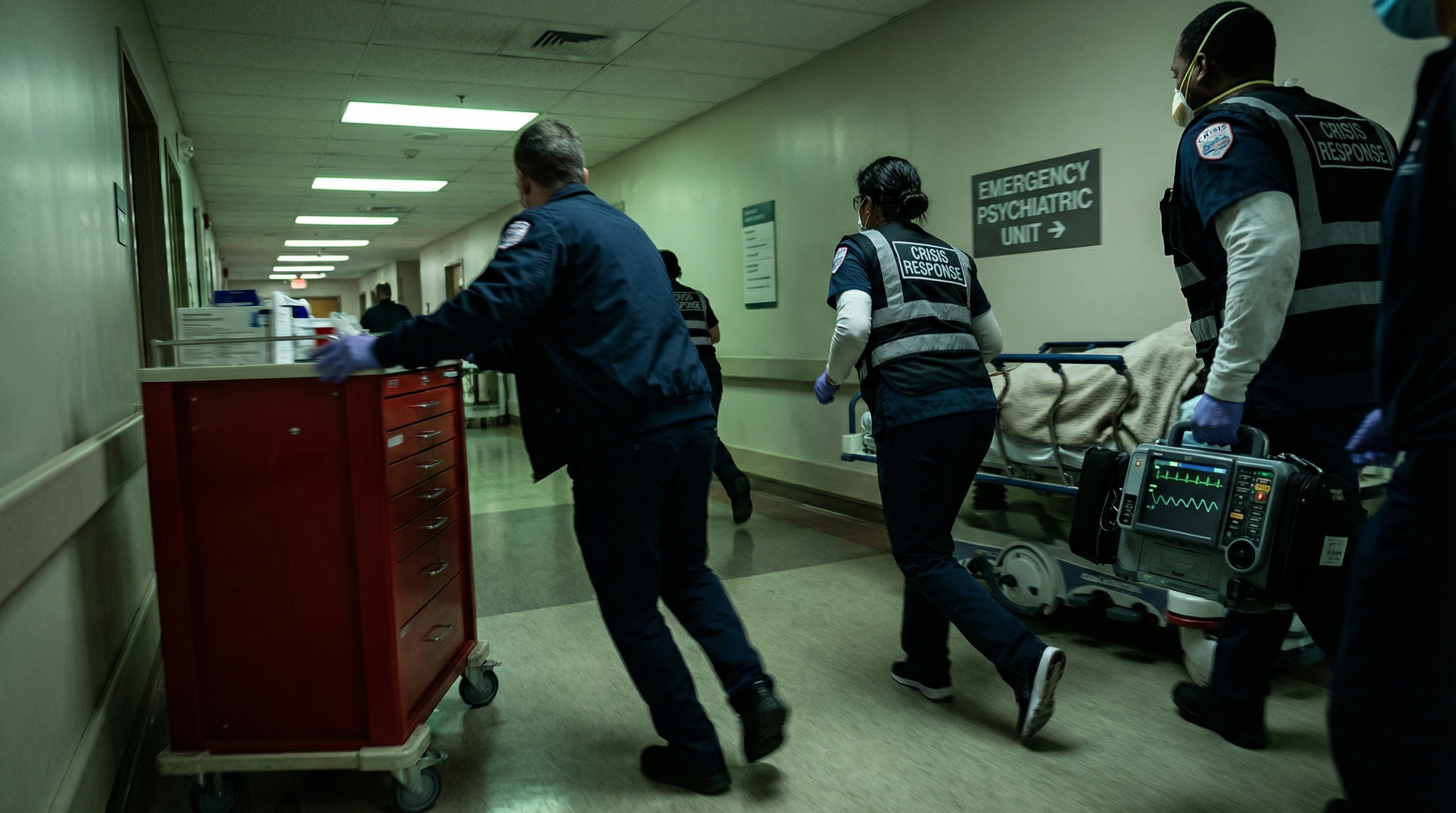
When mental health crisis teams respond to psychiatric emergencies, their primary focus is understandably on de-escalation, therapeutic intervention, and connecting individuals to appropriate behavioral health resources. However, a critical and often overlooked component of effective crisis response is medical readiness. Nearly 1 in 10 U.S. adults—approximately 9.4%—experienced a mental health crisis in the past year, creating unprecedented demand for specialized crisis intervention teams. These teams increasingly encounter situations where psychiatric distress intersects with life-threatening medical emergencies, making Basic Life Support (BLS) certification not just beneficial, but essential for comprehensive emergency response.
The intersection of mental health crises and medical emergencies presents unique challenges that require dual competencies. Psychiatric patients face three times higher risk of sudden cardiac arrest compared to the general population, driven by multiple factors including medication side effects, underlying cardiovascular disease, substance use complications, and the physiological stress of acute psychiatric episodes. Crisis team members who respond to these calls must be equipped to recognize and respond to medical emergencies while maintaining the therapeutic framework essential to effective mental health intervention.
This dual competency requirement—combining mental health crisis intervention skills with medical emergency response capabilities—defines the modern psychiatric emergency response landscape. As community-based crisis programs expand and mobile response teams increasingly serve as alternatives to traditional emergency department psychiatric care, the need for comprehensive BLS training has become non-negotiable. Teams operating without adequate medical training place both patients and responders at unnecessary risk during the critical minutes when rapid intervention can mean the difference between life and death.
Mental health patients face significantly elevated medical risks that crisis responders must understand and prepare for. Research consistently demonstrates that individuals with psychiatric disorders experience substantially higher rates of cardiovascular morbidity and mortality, with sudden cardiac events contributing markedly to their shorter life expectancy compared to the general population. This elevated risk stems from multiple interconnected factors: psychiatric medications can cause QT interval prolongation and arrhythmias, chronic mental illness correlates with higher rates of obesity and metabolic syndrome, substance use disorders frequently complicate psychiatric presentations, and the acute stress response during mental health crises can trigger cardiac events in vulnerable individuals.
Compounding these medical vulnerabilities are significant treatment disparities. Studies show that only 26.4% of psychiatric patients who experience cardiac arrest undergo coronary angiography during hospitalization, compared with 47.5% of patients without psychiatric disorders. These disparities in medical intervention highlight why crisis teams serving psychiatric populations must be exceptionally prepared to provide immediate, high-quality basic life support. When psychiatric patients experience cardiac arrest or other medical emergencies, they cannot afford delays in recognition and response that might occur if crisis team members lack medical training.
Psychiatric medications themselves present medical emergency risks that crisis teams encounter regularly. Antipsychotic medications can cause neuroleptic malignant syndrome, a potentially fatal condition requiring immediate recognition and medical intervention. Serotonin syndrome, triggered by combinations of psychiatric medications, presents with altered mental status, autonomic instability, and neuromuscular abnormalities that can rapidly progress to life-threatening complications. Lithium toxicity, benzodiazepine overdose, and tricyclic antidepressant toxicity all present medical emergency scenarios where BLS skills—including airway management, rescue breathing, and high-quality CPR—become critical interventions that psychiatric crisis teams must be prepared to deliver.
Seizures represent one of the most frequently encountered medical emergencies in psychiatric crisis response. Patients with psychiatric disorders experience higher rates of seizure disorders, both as primary conditions and as medication side effects. Antipsychotic medications lower seizure threshold, benzodiazepine withdrawal can trigger status epilepticus, and some psychiatric patients have comorbid epilepsy that may be poorly controlled. Crisis team members must recognize different seizure types, understand when seizures constitute medical emergencies requiring immediate intervention, know proper positioning and airway management during and after seizures, and be prepared to provide rescue breathing if the patient experiences prolonged post-ictal respiratory depression.
Respiratory emergencies occur with concerning frequency during psychiatric crisis responses. Panic attacks can mimic serious respiratory conditions, but crisis teams must differentiate between anxiety-driven hyperventilation and genuine respiratory distress requiring medical intervention. Aspiration pneumonia affects psychiatric patients at higher rates due to altered mental status, sedating medications, and dysphagia associated with some psychiatric conditions. Choking episodes occur during acute agitation when patients may have impaired swallowing reflexes or altered consciousness. Drug overdoses—whether intentional or accidental—frequently present with respiratory depression requiring immediate airway management and rescue breathing, skills that form the core of BLS certification training.
Cardiac emergencies represent the most immediately life-threatening medical complications psychiatric crisis teams encounter. Sudden cardiac arrest can occur during acute psychiatric episodes due to the combination of underlying cardiovascular disease, medication effects, physiological stress, and sometimes physical exertion during agitation or attempts to flee. Cardiac arrhythmias triggered by psychiatric medications require recognition and appropriate response. Severe bradycardia or tachycardia can rapidly deteriorate into cardiac arrest if not recognized early. The ability to recognize cardiac arrest, immediately initiate high-quality chest compressions, properly utilize an automated external defibrillator (AED), and coordinate team-based resuscitation represents fundamental BLS competencies that every psychiatric crisis team member should possess.
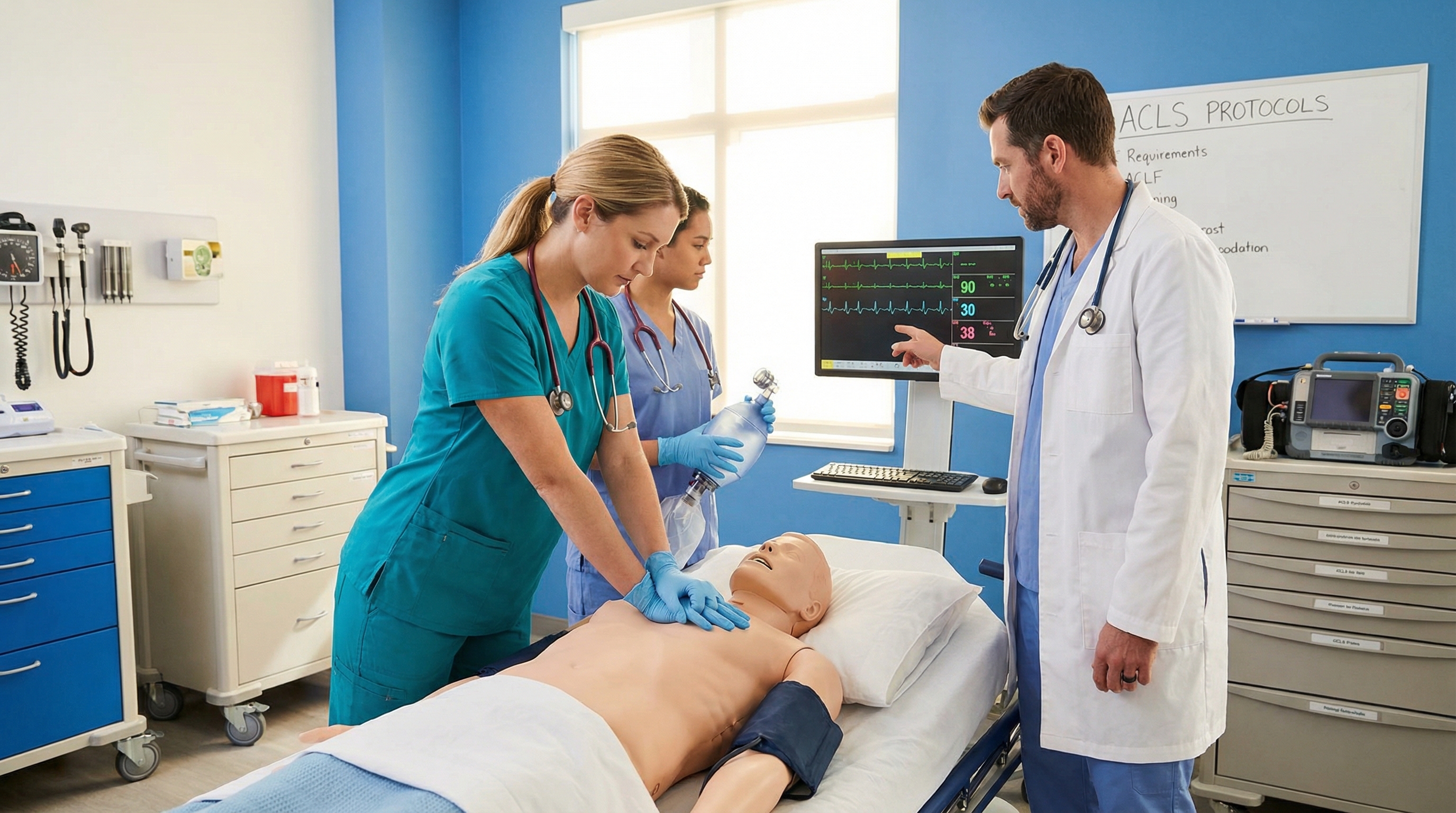
High-quality cardiopulmonary resuscitation (CPR) stands as the foundational BLS skill that psychiatric crisis teams must master. Effective CPR requires specific technical competencies: compressions at the correct depth of at least 2 inches for adults, compression rate of 100-120 per minute, allowing complete chest recoil between compressions, minimizing interruptions in compressions, and proper hand placement on the lower half of the sternum. These technical elements, when executed correctly, can double or triple survival rates from cardiac arrest. Crisis team members responding to psychiatric emergencies in community settings, residential facilities, or patients' homes often serve as the first responders to cardiac arrest, making their CPR quality directly determinative of patient survival outcomes.
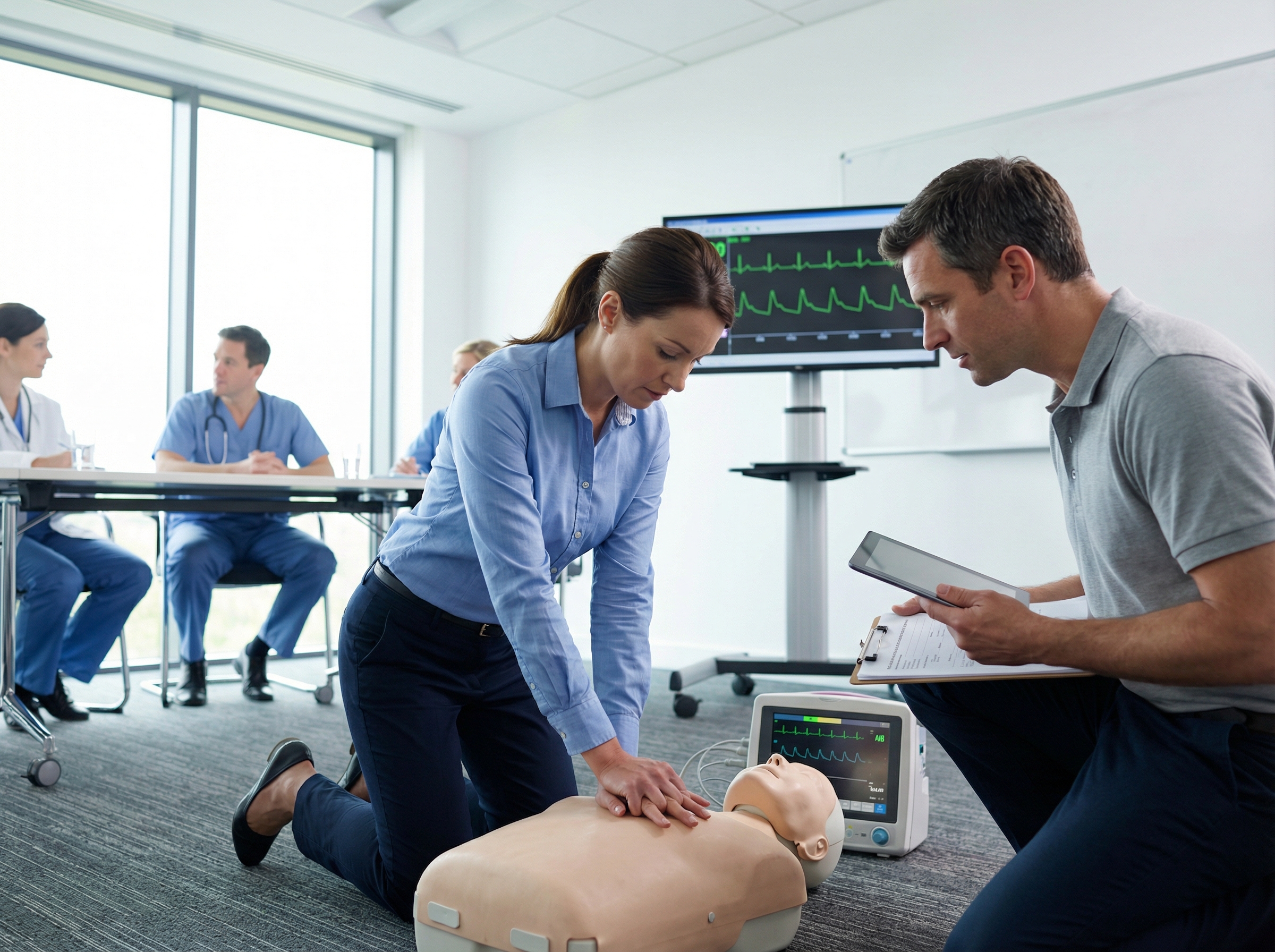
Airway management and rescue breathing represent critical BLS competencies particularly relevant to psychiatric crisis response. Many psychiatric emergencies involve altered consciousness due to overdose, medication effects, seizures, or medical complications requiring immediate airway assessment and intervention. Crisis team members must be able to properly open airways using head-tilt chin-lift or jaw-thrust maneuvers, recognize adequate versus inadequate breathing, deliver effective rescue breaths with proper volume and rate, and utilize barrier devices for infection control. These skills become essential when responding to opioid overdoses, benzodiazepine toxicity, seizures with prolonged post-ictal periods, or any situation where a psychiatric patient's mental status deteriorates to the point of respiratory compromise.
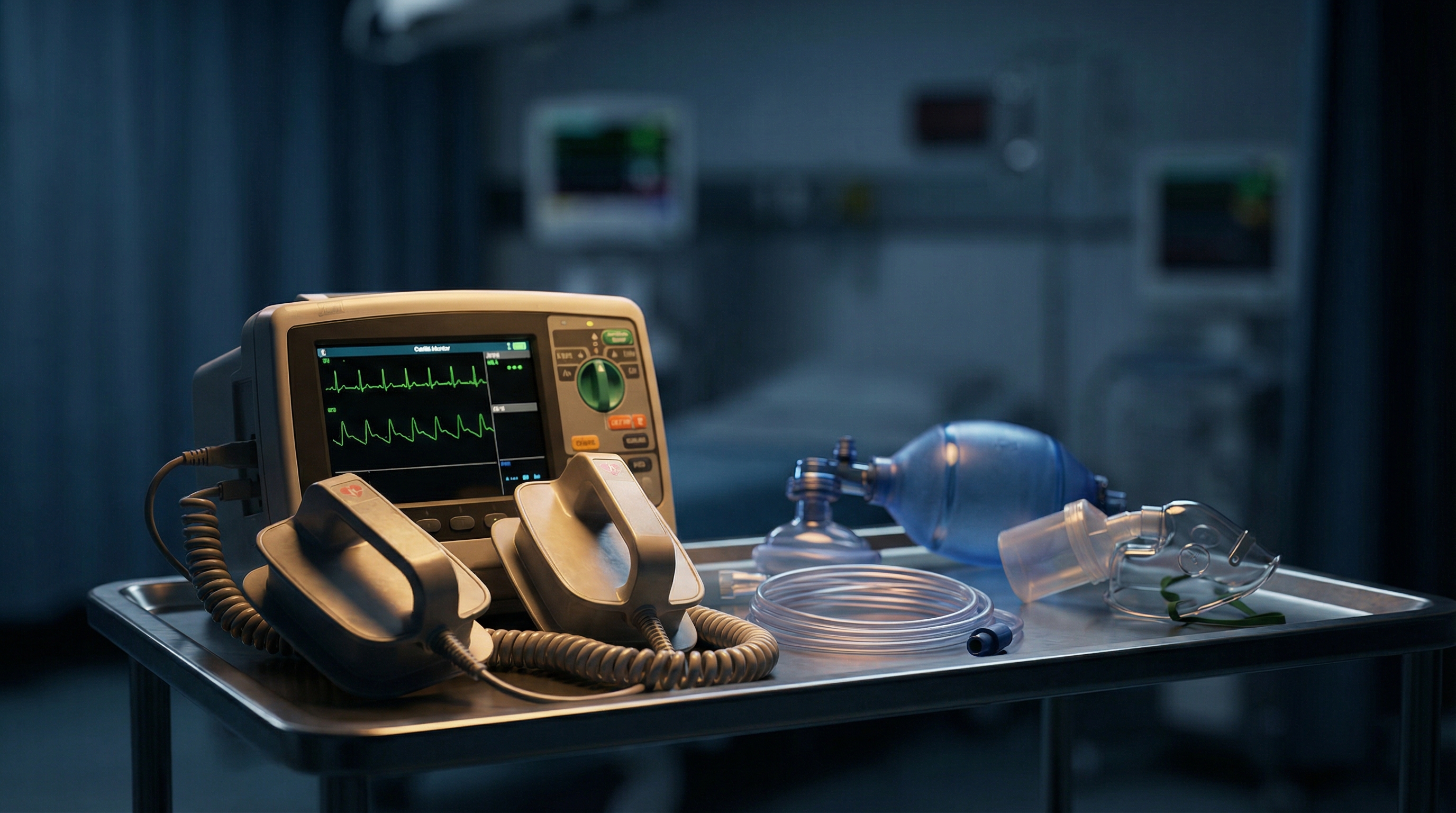
Automated External Defibrillator (AED) utilization forms another essential component of BLS training for psychiatric crisis teams. AEDs represent the single most effective intervention for ventricular fibrillation and pulseless ventricular tachycardia, the most common initial cardiac arrest rhythms in adults. Crisis team members must know how to rapidly locate and deploy AEDs, properly apply electrode pads to wet, hairy, or medicated skin, ensure safety during rhythm analysis and shock delivery, and immediately resume CPR after shock delivery. The proper use of AEDs in community settings where psychiatric crisis teams operate can be lifesaving, particularly given the elevated cardiac arrest risk in psychiatric populations.
Choking management represents a frequently overlooked but critically important BLS competency for psychiatric crisis teams. Patients experiencing acute psychiatric episodes may have impaired swallowing reflexes, altered consciousness affecting protective airway reflexes, or medication side effects that increase aspiration risk. Crisis team members must be able to recognize severe airway obstruction versus partial obstruction, deliver effective abdominal thrusts (Heimlich maneuver) with proper hand placement and force, modify technique for pregnant or obese patients, and transition to CPR if the choking patient becomes unresponsive. These skills prove essential when responding to residential psychiatric facilities, group homes, or supported living environments where choking episodes occur with concerning frequency.
The integration of medical assessment with psychiatric evaluation represents a critical skill set for modern crisis teams. Effective crisis response requires simultaneous attention to both mental health needs and medical stability, with team members trained to recognize when medical issues may be driving or complicating psychiatric presentations. A rapid medical assessment should occur alongside initial psychiatric evaluation, checking vital signs including pulse, respiratory rate, and level of consciousness. Recognition of medical red flags such as altered mental status beyond baseline psychiatric symptoms, chest pain or difficulty breathing, seizure activity, signs of drug overdose or withdrawal, or any indication of medical instability requires immediate shift in priorities from purely psychiatric intervention to medical emergency response.
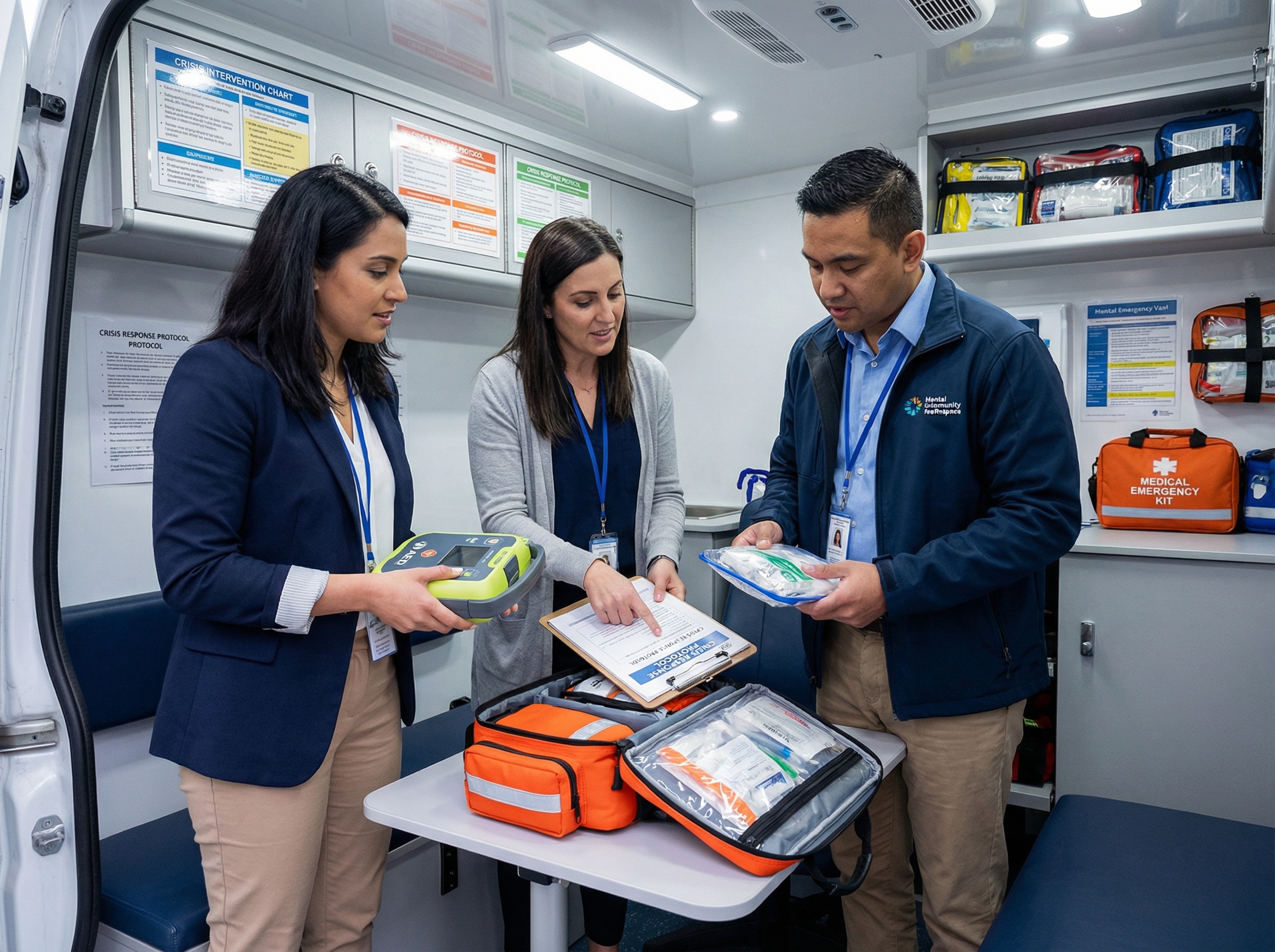
Scene safety considerations in psychiatric crisis response must expand beyond traditional mental health concerns to incorporate medical emergency preparedness. Crisis teams should establish protocols for ensuring AED availability during crisis responses, maintaining current BLS certification for all team members, designating clear roles for medical emergencies during psychiatric calls, establishing communication protocols with emergency medical services, and training in the integration of de-escalation techniques with medical emergency response. These dual considerations ensure that teams remain prepared for the full spectrum of emergencies they may encounter, from purely psychiatric crises to medical emergencies occurring during mental health interventions.
Team dynamics during combined psychiatric and medical emergencies require clear role delineation and practiced coordination. When a psychiatric patient experiences a medical emergency, team members must rapidly transition from crisis intervention mode to medical response mode while maintaining therapeutic engagement. Effective teams establish clear protocols designating who initiates CPR, who retrieves and operates the AED, who maintains scene safety and manages other individuals present, who communicates with emergency medical services, and who provides continuing psychiatric support to the patient once medically stabilized. These role assignments should be practiced through regular scenario-based training that integrates both psychiatric crisis intervention and medical emergency response skills.
The Substance Abuse and Mental Health Services Administration (SAMHSA) released updated National Behavioral Health Crisis Care Guidance in 2025, establishing comprehensive standards for crisis care systems. These guidelines emphasize the importance of medical readiness within behavioral health crisis teams, recognizing that effective crisis response requires capabilities beyond psychiatric intervention alone. The guidance recommends that crisis teams maintain capacity to address both behavioral health and medical needs, establish clear protocols for medical emergency recognition and response, ensure appropriate training for all team members in basic medical assessment and intervention, and develop strong collaborative relationships with emergency medical services and healthcare systems.
State-level requirements for mobile crisis team credentialing and training increasingly incorporate medical competency standards. Many states now require or strongly recommend BLS certification for crisis team members, particularly those serving in mobile response or community-based crisis stabilization roles. These requirements recognize that crisis teams often serve as the primary emergency response resource for individuals experiencing psychiatric emergencies, potentially encountering medical complications that demand immediate intervention. States implementing robust crisis service systems have established training standards that typically include basic life support certification, medical assessment fundamentals, medication side effect recognition, and protocols for emergency medical service engagement when situations exceed team capabilities.
Professional organizations representing emergency psychiatric services have increasingly emphasized medical competency as a core element of crisis team training. The American College of Emergency Physicians (ACEP) has published comprehensive guidance on psychiatric patient care emphasizing the importance of medical evaluation and readiness. The Emergency Nurses Association has developed behavioral health resources that integrate medical assessment with psychiatric intervention. These professional standards reflect the clinical reality that psychiatric and medical emergencies frequently intersect, requiring crisis response professionals to maintain competencies in both domains to provide safe, effective, comprehensive emergency care.
Consider a mobile crisis team responding to a 52-year-old man experiencing acute psychosis in his apartment. Upon arrival, the team begins de-escalation and engagement, working to establish rapport and assess safety. Suddenly, the patient collapses. Without hesitation, the crisis clinician trained in BLS immediately recognizes cardiac arrest, directs his partner to call 911 and retrieve their AED, begins high-quality chest compressions, and coordinates the rapid deployment of the AED. The device analyzes the rhythm, delivers a shock, and compressions immediately resume. By the time EMS arrives four minutes later, the patient has return of spontaneous circulation. This scenario—which occurs more frequently than many realize given the elevated cardiac risk in psychiatric populations—demonstrates why BLS certification represents an essential, potentially lifesaving competency for crisis team members.
A crisis team responds to a wellness check on a patient with depression and suspected substance use. They find the patient unresponsive with agonal respirations—slow, gasping breaths indicating severe respiratory compromise. The BLS-trained crisis worker immediately recognizes respiratory arrest, positions the patient supine, opens the airway with a head-tilt chin-lift maneuver, and begins rescue breathing with a pocket mask while his partner administers naloxone and calls 911. The combination of rescue breathing, naloxone administration, and rapid EMS notification results in the patient regaining consciousness before ambulance arrival. Without immediate BLS intervention providing rescue breathing, this patient would likely have progressed to full cardiac arrest within minutes, dramatically reducing survival probability.
During a crisis intervention at a group home, a resident with schizoaffective disorder suddenly experiences a generalized tonic-clonic seizure. The BLS-trained crisis team members immediately implement proper seizure management: protecting the patient from injury, positioning him on his side, timing the seizure duration, and preparing to provide airway management and rescue breathing if needed. The seizure continues beyond five minutes, meeting criteria for status epilepticus—a medical emergency. The team maintains airway positioning, provides supplemental oxygen from their emergency kit, continuously monitors breathing, and provides critical information to responding paramedics about seizure duration, the patient's psychiatric medications, and baseline mental status. Their BLS training and medical readiness directly contributed to optimal emergency management of a serious complication.
Cost and accessibility concerns frequently present barriers to comprehensive BLS training for crisis teams, particularly for smaller programs or those operating with limited budgets. Traditional in-person BLS certification courses can be expensive, require travel and time away from work, and present scheduling challenges for teams providing 24/7 crisis coverage. However, online BLS certification platforms now offer accessible, affordable alternatives that maintain rigorous standards while providing flexibility for crisis workers. Programs like Affordable ACLS's online BLS certification provide comprehensive training at a fraction of traditional course costs, with self-paced learning that accommodates shift workers, immediate certification upon completion, and unlimited retakes ensuring mastery of essential skills.
Skill maintenance and recertification present ongoing challenges for crisis programs implementing BLS requirements. Life support skills deteriorate without regular practice, and crisis teams may go extended periods without encountering medical emergencies requiring BLS intervention. Effective programs address this challenge through multiple strategies: quarterly hands-on skills practice sessions using mannequins and AED trainers, scenario-based training integrating psychiatric crisis intervention with medical emergency response, regular review of BLS algorithms and techniques during team meetings, tracking of certification expiration dates with automated recertification reminders, and establishment of clear expectations that all team members maintain current BLS certification as a condition of employment. These approaches ensure that when medical emergencies occur, teams respond with practiced competency rather than rusty skills.
Cultural integration of medical competency into traditionally psychology-focused crisis programs requires intentional leadership and training design. Some crisis workers may view medical training as outside their scope or unnecessary for mental health response, failing to recognize the frequency with which psychiatric and medical emergencies intersect. Successful programs address this cultural barrier by sharing data on medical emergency frequency in psychiatric populations, presenting case examples where BLS skills proved essential during crisis responses, integrating medical assessment into routine crisis intervention training, inviting emergency medicine physicians or paramedics to speak about the medical vulnerabilities of psychiatric patients, and establishing organizational expectations that comprehensive crisis response includes both psychiatric and medical competencies.
Effective crisis team training programs integrate BLS certification as a foundational component within a broader curriculum addressing the full spectrum of crisis response competencies. A comprehensive program should include initial BLS certification for all new team members before independent crisis response, annual BLS recertification maintaining current credentials, psychiatric crisis intervention and de-escalation training, trauma-informed care principles, suicide risk assessment and intervention, substance use disorder recognition and response, legal and ethical considerations in crisis care, and cultural competency in behavioral health emergency response. This integrated approach ensures that teams develop balanced capabilities across both medical and psychiatric domains.
Practical application through scenario-based training represents the most effective method for integrating BLS skills with crisis intervention techniques. Training scenarios should present realistic situations that crisis teams actually encounter: a patient experiencing psychosis who suddenly collapses from cardiac arrest, an overdose scenario requiring simultaneous naloxone administration and rescue breathing, a prolonged seizure during a crisis intervention requiring medical emergency protocols, a choking episode in a residential psychiatric setting, or a patient with chest pain and psychiatric symptoms requiring differentiation of medical versus psychiatric emergency. These scenarios, practiced regularly with debriefing and skill refinement, build the muscle memory and decision-making capacity teams need when real emergencies occur.
Quality assurance mechanisms ensure that BLS training translates into actual emergency preparedness for crisis teams. Effective quality assurance includes verification of current BLS certification for all team members with documentation in personnel files, regular equipment checks ensuring AEDs and emergency supplies are functional and accessible, post-incident reviews analyzing any medical emergencies encountered during crisis responses, skills assessment during routine training to identify areas needing additional practice, and tracking of response times and intervention quality when medical emergencies occur during crisis calls. These quality assurance processes identify gaps, reinforce excellence, and continuously improve team medical readiness.
Emerging models of crisis care increasingly recognize that artificial separation between medical and psychiatric emergency response creates dangerous gaps in patient care. Integrated crisis response models deploy teams with combined competencies: mental health professionals with BLS and medical assessment training, paramedics with crisis intervention and de-escalation skills, or mixed teams pairing mental health clinicians with emergency medical technicians. These models recognize that many patients experiencing behavioral health crises also have medical needs, that medical conditions frequently present with psychiatric symptoms, and that comprehensive emergency response requires capabilities spanning both domains. Early data from integrated response programs demonstrates reduced emergency department utilization, improved patient outcomes, and enhanced responder confidence when managing complex psychiatric-medical emergencies.
Technology integration promises to enhance medical readiness within crisis response systems. Mobile crisis teams increasingly utilize telehealth capabilities connecting them with emergency physicians for real-time medical consultation during complex calls. Electronic health record integration provides crisis responders immediate access to patients' medical histories, medications, and previous emergency encounters. Wearable technology and vital sign monitors enable continuous medical assessment during crisis interventions. Advanced AEDs with data transmission capabilities provide receiving emergency departments with cardiac rhythm information and intervention documentation. These technological advances complement rather than replace BLS training, enhancing the capacity of well-trained crisis teams to provide comprehensive emergency care.
Research directions in crisis care increasingly examine the intersection of medical and psychiatric emergency response. Studies are investigating optimal training models integrating BLS and crisis intervention skills, evaluating the impact of crisis team BLS certification on patient outcomes, examining the frequency and types of medical emergencies encountered during psychiatric crisis responses, assessing the effectiveness of different team composition models in managing combined psychiatric-medical emergencies, and identifying best practices for quality assurance in crisis team medical readiness. This research foundation will guide the evolution of crisis care toward models that comprehensively address the complex needs of patients experiencing behavioral health emergencies.
Crisis programs ready to implement BLS certification requirements should begin with a comprehensive assessment of current state and needs. This assessment should document current BLS certification status of all team members, review the frequency of medical emergencies encountered during crisis responses over the past year, inventory available medical emergency equipment including AEDs and emergency supplies, evaluate existing protocols for medical emergency recognition and response, and identify barriers to BLS implementation including cost, scheduling, and training accessibility. This baseline assessment provides the foundation for developing a realistic implementation plan tailored to your program's specific context and needs.
Implementation planning should establish clear timelines, responsibilities, and success metrics. An effective plan includes establishing BLS certification as a requirement for all new hires with certification verification before independent crisis response, creating a timeline for existing staff to obtain certification with appropriate support and resources, selecting a certification provider that balances cost, quality, and accessibility for your team, developing protocols integrating BLS skills with crisis intervention procedures, acquiring necessary equipment including AEDs, CPR masks, and emergency supplies, establishing ongoing training and recertification processes, and defining metrics for monitoring implementation success and program quality. Understanding the difference between BLS and advanced certifications helps programs select appropriate training levels for different team roles.
Long-term sustainability of BLS requirements within crisis programs requires embedding medical readiness into organizational culture and operations. Sustainable approaches include incorporating BLS competency into job descriptions and performance evaluations, allocating annual budget for recertification and equipment maintenance, establishing peer champions who promote medical readiness within the team, regularly sharing success stories where BLS skills made a difference in crisis responses, connecting BLS requirements to the program's mission of comprehensive crisis care, and continuously evaluating and refining protocols based on real-world experience and emerging best practices. When medical readiness becomes integral to program identity rather than an external requirement, compliance and competency naturally follow.
The evidence is clear: BLS certification represents an essential competency for psychiatric emergency response teams, not an optional enhancement. With psychiatric patients facing three times higher cardiac arrest risk, nearly 10% of U.S. adults experiencing mental health crises annually, and crisis teams increasingly serving as primary emergency responders in community settings, the intersection of psychiatric and medical emergencies demands that crisis workers maintain dual competencies. High-quality CPR, effective airway management, proper AED utilization, and choking response represent lifesaving skills that every crisis team member should possess, ready to deploy during the critical minutes when rapid intervention determines survival.
The accessibility of online BLS certification has eliminated traditional barriers of cost and scheduling that once made comprehensive training challenging for crisis programs. Platforms offering affordable, self-paced, immediately certified training enable even resource-limited programs to ensure all team members maintain current BLS credentials. The modest investment in certification—often less than the cost of a single emergency department visit—returns immeasurable value when crisis workers face medical emergencies requiring immediate, competent intervention. Programs that view BLS training as discretionary rather than essential place both patients and responders at unnecessary risk.
For crisis program leaders, the path forward is clear: establish BLS certification as a non-negotiable requirement for all team members, provide the resources and support needed for compliance, integrate medical emergency protocols with psychiatric crisis intervention procedures, and commit to ongoing training that maintains both skill competency and organizational culture of comprehensive emergency readiness. For individual crisis workers, maintaining current BLS certification represents a professional obligation to the vulnerable populations you serve—a commitment that when psychiatric crisis intersects with medical emergency, you possess the knowledge and skills to save a life. The question is not whether crisis teams need BLS certification, but rather how quickly programs can implement this essential competency across their entire workforce.
.jpg)