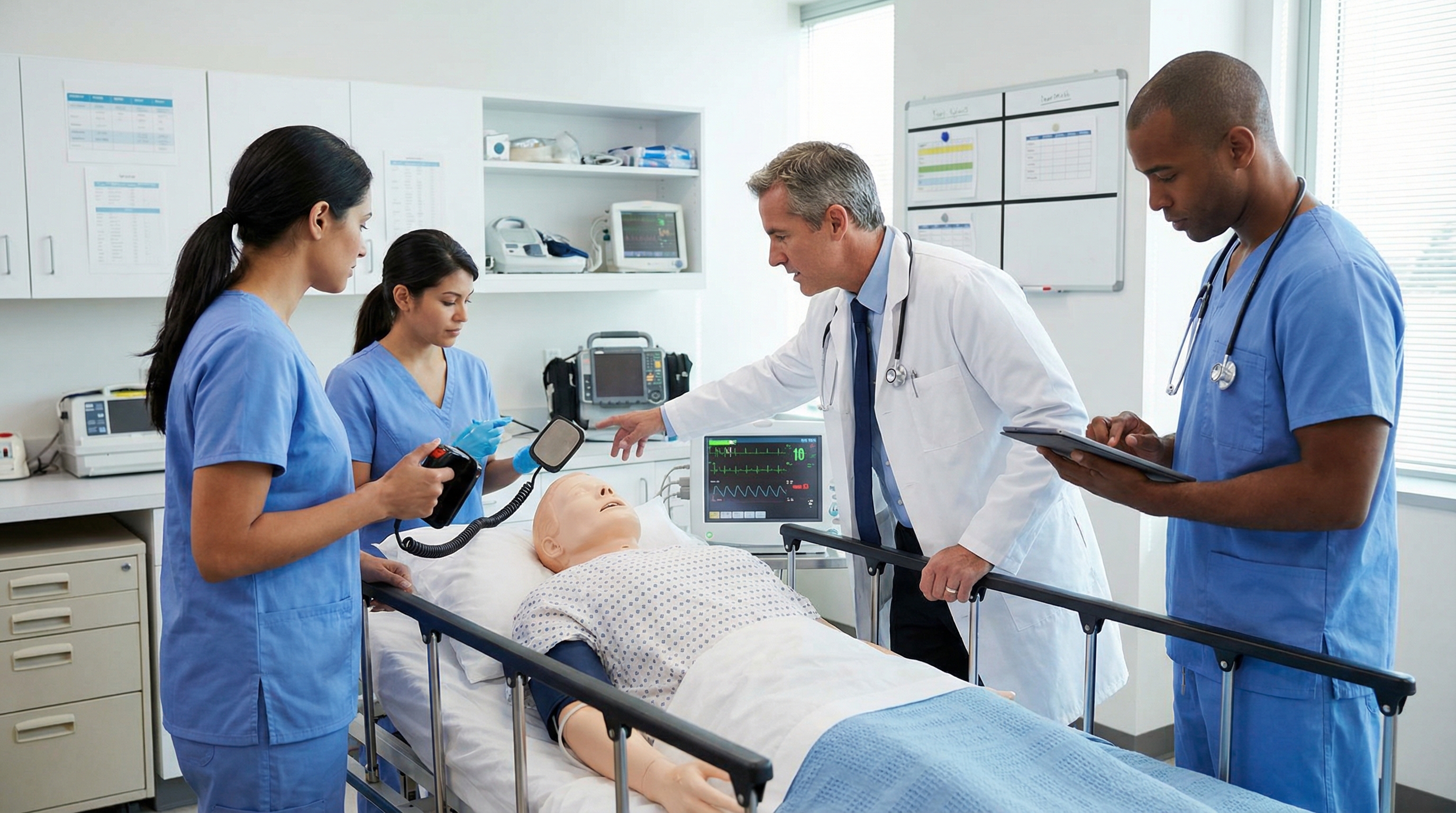
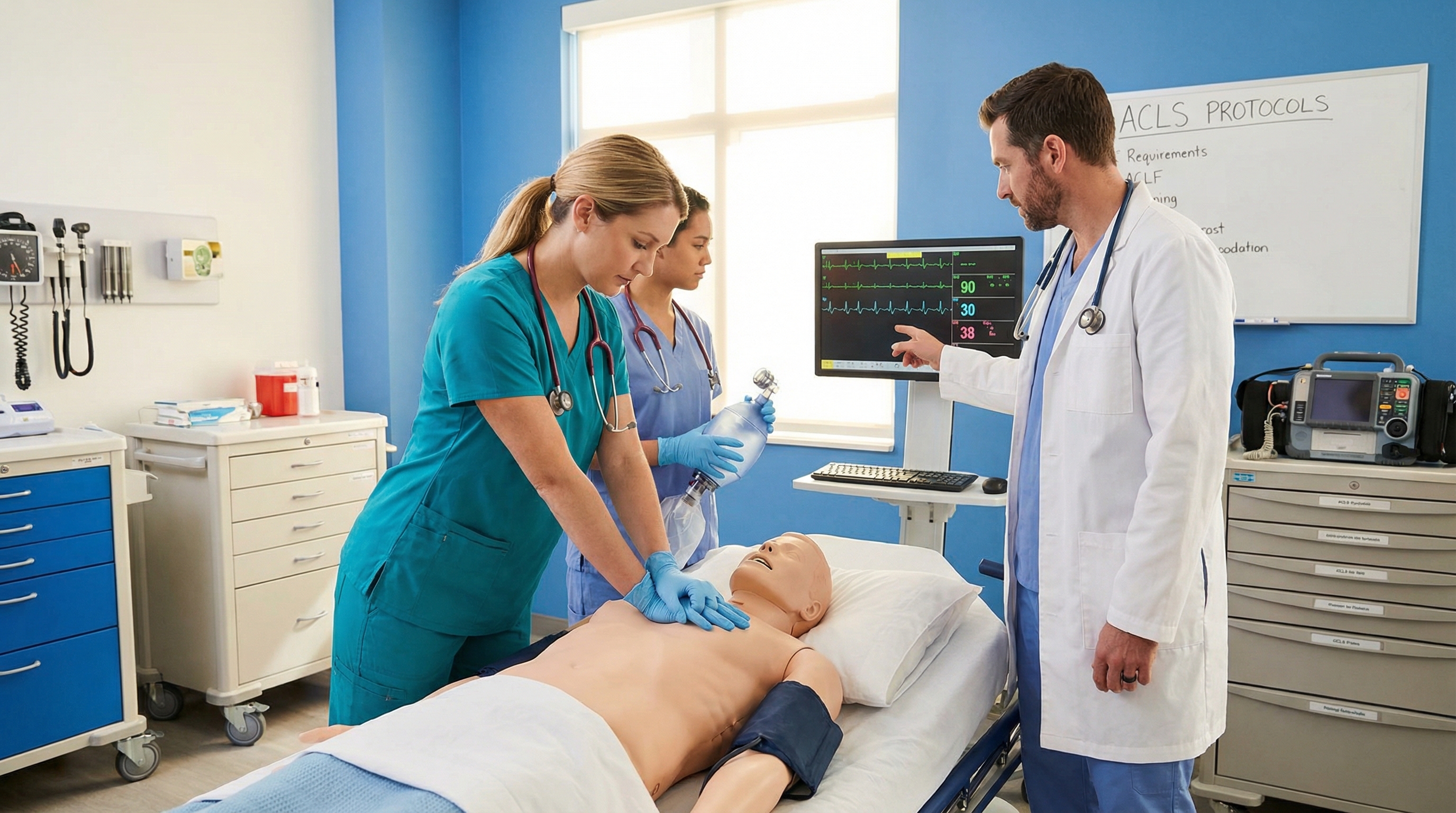
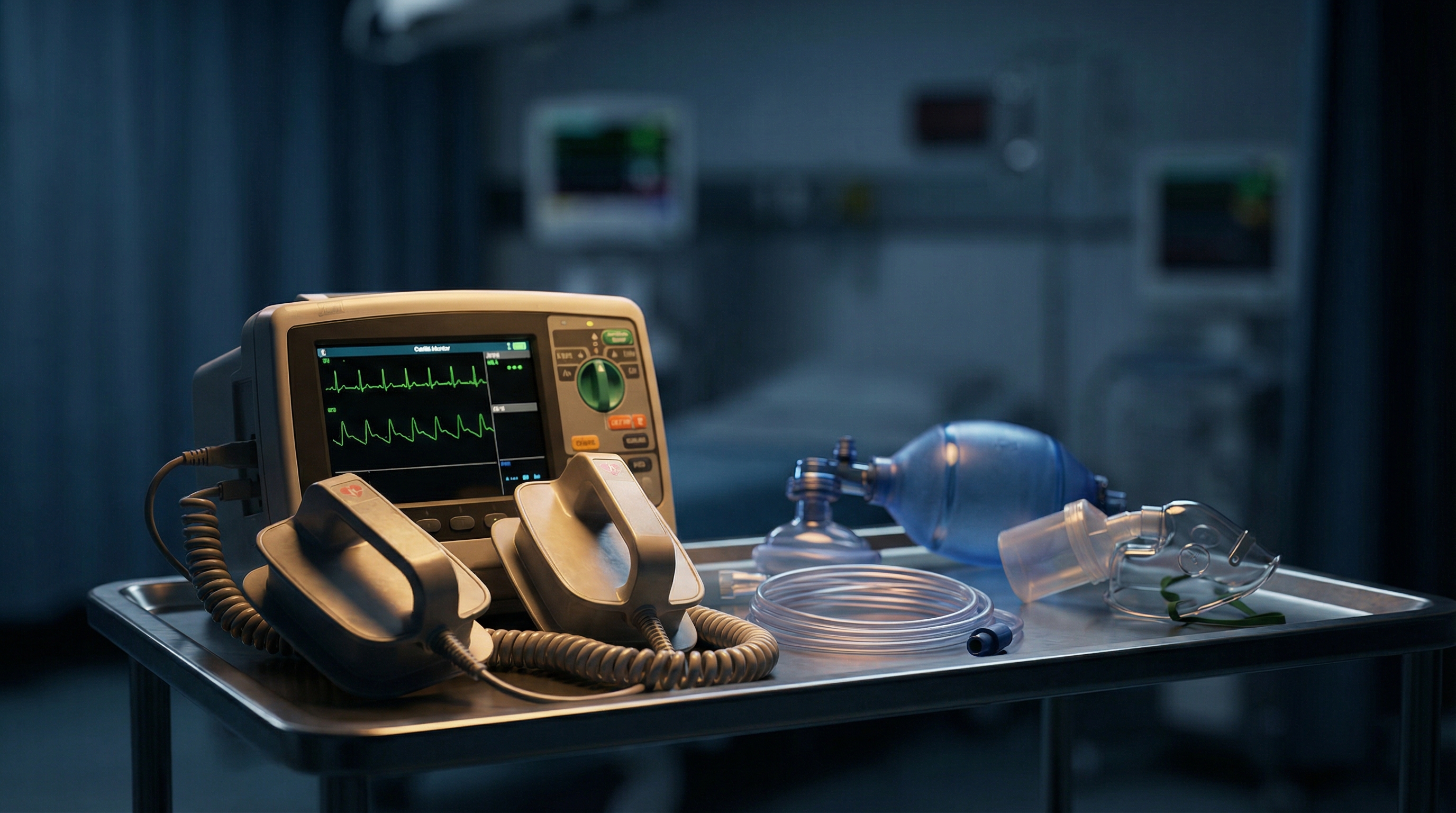
When a patient's heart stops beating, healthcare professionals spring into action with cardiopulmonary resuscitation (CPR), defibrillation, and advanced interventions. But what happens when those efforts succeed and the heart starts beating again? This moment, known as return of spontaneous circulation (ROSC), represents not the end of the emergency, but rather the beginning of a critical phase of care that can determine whether the patient survives with good neurological function or faces devastating complications.
According to recent research published in Annals of Intensive Care, approximately 72.2% of cardiac arrest patients achieve ROSC, with survival to hospital discharge rates around 24.2%. More encouragingly, among those who survive to discharge, about 85% have favorable neurological outcomes. These statistics underscore a crucial reality: achieving ROSC is just the first hurdle, and what happens in the hours and days following ROSC profoundly impacts patient survival and quality of life.
For healthcare professionals, understanding post-ROSC care is essential to maximizing the chances that your resuscitation efforts result in meaningful patient recovery. This comprehensive guide walks you through the evidence-based interventions, critical timelines, and clinical decision-making that define optimal post-cardiac arrest management.
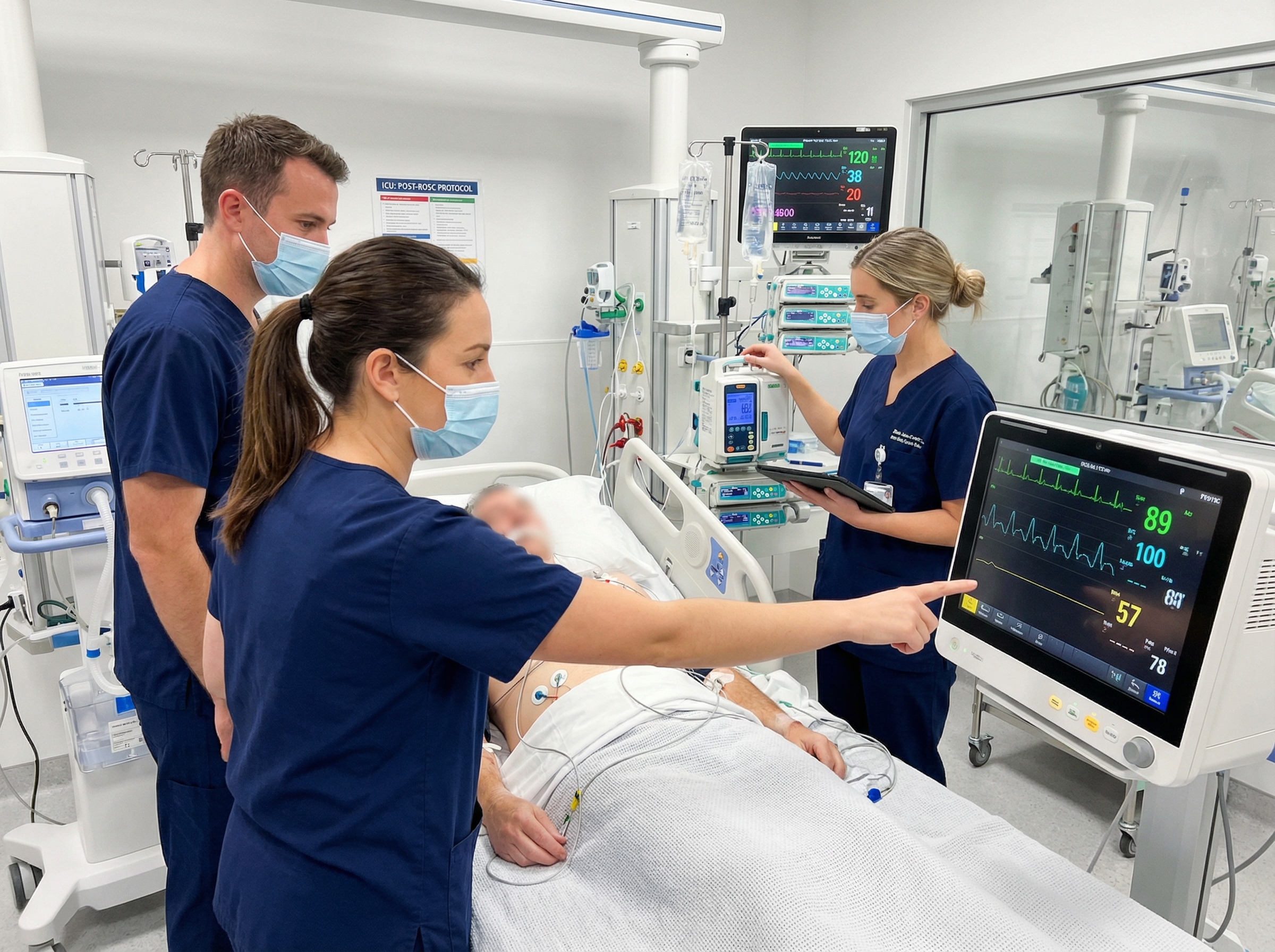
The 2025 American Heart Association Guidelines define ROSC as the restoration of spontaneous cardiac activity associated with evidence of circulation. Clinically, this means you can detect a palpable pulse, see signs of life such as purposeful movement or breathing, observe an arterial waveform on monitoring, or notice a sharp rise in end-tidal carbon dioxide (ETCO2).
ROSC differs from return of circulation (ROC) achieved through mechanical means like extracorporeal membrane oxygenation (ECMO). When the heart recovers its own pumping function without ongoing mechanical support, we specifically call this return of spontaneous circulation. This distinction matters because it indicates the heart's intrinsic recovery and guides subsequent treatment decisions.
Achieving ROSC represents a major milestone, but it's critical to understand that it's far from the finish line. The post-cardiac arrest syndrome that follows ROSC involves complex pathophysiology including brain injury from ischemia-reperfusion, myocardial dysfunction, systemic inflammatory response, and the persistent precipitating pathology that caused the arrest in the first place. Each of these components requires targeted intervention.
Research consistently shows that the time to ROSC is one of the most powerful predictors of neurological outcome. Each five-minute delay in achieving ROSC significantly reduces the likelihood of survival and good neurological recovery. This makes rapid recognition of ROSC and immediate initiation of post-cardiac arrest care protocols absolutely essential.
The first minutes after ROSC are chaotic but critical. Your team must quickly transition from the rhythm-focused approach of cardiac arrest management to the multisystem optimization required for post-cardiac arrest care. The immediate post-cardiac arrest care algorithm provides a structured framework for this transition.
Ensuring adequate oxygenation and ventilation is the first priority after ROSC. However, the goal is not simply to maximize oxygen delivery. Both hyperoxia and hypoxia can worsen neurological outcomes in post-cardiac arrest patients.
Current guidelines recommend targeting an oxygen saturation (SpO2) between 92% and 98%. Avoid excessive ventilation, which can cause hypocapnia (low CO2), leading to cerebral vasoconstriction and reduced blood flow to the already-injured brain. Monitor end-tidal CO2 continuously and adjust ventilation to maintain a PaCO2 between 35 and 45 mmHg when arterial blood gas results become available.
Most post-ROSC patients require endotracheal intubation to protect the airway and allow precise control of ventilation. If intubation wasn't performed during the resuscitation, it should be accomplished promptly after ROSC, particularly in patients who remain comatose or have compromised airway reflexes.
Achieving adequate perfusion pressure to vital organs, especially the brain and heart, is paramount. Post-cardiac arrest myocardial dysfunction is common, with the heart often demonstrating reduced contractility even after ROSC. This can lead to hypotension that threatens cerebral and coronary perfusion.
Target a mean arterial pressure (MAP) of at least 65-70 mmHg, though some experts recommend higher targets for patients with chronic hypertension. Use vasopressors such as norepinephrine or epinephrine if needed to maintain adequate blood pressure. Volume resuscitation with intravenous fluids may be necessary, but avoid excessive fluid administration that could worsen pulmonary edema or myocardial dysfunction.
Establish invasive arterial blood pressure monitoring as soon as feasible to allow continuous, accurate assessment of perfusion pressure. This also facilitates frequent arterial blood gas sampling to monitor oxygenation, ventilation, and metabolic parameters.
Obtain a 12-lead electrocardiogram immediately after ROSC to assess for ST-segment elevation myocardial infarction (STEMI) or other cardiac abnormalities. Many cardiac arrests result from acute coronary occlusion, and early identification allows for prompt coronary angiography and percutaneous coronary intervention (PCI).
Patients with ST-elevation on ECG, particularly those with presumed cardiac etiology of arrest, should be considered for emergent cardiac catheterization even if they remain comatose. Studies show that early coronary angiography can improve outcomes in select post-cardiac arrest patients, particularly those with obvious cardiac causes.
Remember that the ECG may also provide clues about the original cause of arrest, such as Brugada pattern, prolonged QT interval, or signs of hyperkalemia. These findings can guide specific treatments beyond the general post-ROSC care bundle.
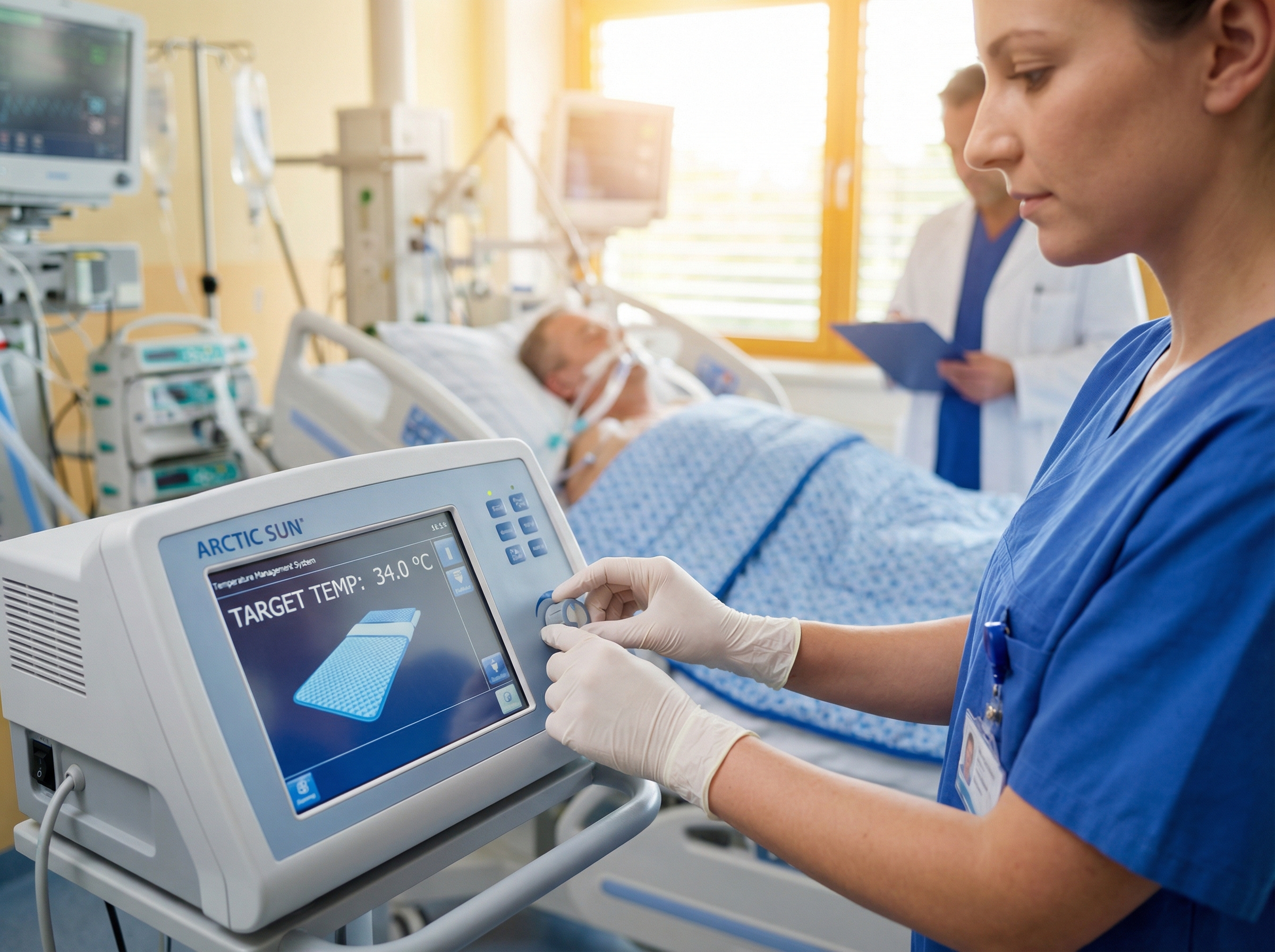
One of the most significant advances in post-cardiac arrest care has been the recognition that controlled temperature management can improve neurological outcomes. For years, this intervention was known as therapeutic hypothermia, but evolving evidence has refined our understanding and led to the broader concept of targeted temperature management (TTM).
The brain is exquisitely vulnerable to ischemia-reperfusion injury after cardiac arrest. Even when circulation is restored, cascades of cellular injury continue for hours and days, involving excitotoxicity, inflammation, mitochondrial dysfunction, and programmed cell death. Temperature control represents one of the few interventions proven to interrupt these destructive processes.
Landmark trials in 2002 demonstrated that cooling cardiac arrest survivors to 32-34°C for 12-24 hours improved survival and neurological outcomes compared to no temperature control. This led to widespread adoption of therapeutic hypothermia protocols worldwide.
More recent research, including the TTM2 trial published in 2021, found no significant difference in outcomes between targeting 33°C versus normothermia (maintaining temperature at or below 37.5°C) in unconscious patients after out-of-hospital cardiac arrest. This has led to updated recommendations that emphasize fever prevention as the critical element, while allowing flexibility in the specific temperature target.
Current guidelines generally recommend maintaining temperature control between 32-36°C for at least 24 hours, or at minimum, aggressively preventing fever (temperature above 37.7°C) for at least 72 hours after ROSC. The key principle is avoiding hyperthermia, which consistently worsens neurological injury.
Temperature management should begin as soon as possible after ROSC in comatose patients. Cooling can be initiated with intravenous cold saline boluses (30 mL/kg of 4°C saline) and application of surface cooling devices or intravascular cooling catheters.
Continuous core temperature monitoring is essential, typically via esophageal or bladder temperature probe. Shivering must be prevented as it generates heat and increases metabolic demand. Use a stepwise approach to shivering management: surface warming of extremities, sedation and analgesia, neuromuscular blockade if necessary.
After the maintenance phase (typically 24 hours at target temperature), controlled rewarming should proceed slowly at a rate of approximately 0.25-0.5°C per hour. Rapid rewarming can trigger rebound cerebral edema and electrolyte shifts. Continue to prevent fever for at least 72 hours post-arrest, as even small elevations in temperature during this period can worsen outcomes.
Blood glucose management is another critical component of post-ROSC care. Both hypoglycemia and severe hyperglycemia can worsen neurological injury, yet achieving optimal glucose control requires careful monitoring and intervention.
Stress-induced hyperglycemia is common after cardiac arrest due to catecholamine release, cortisol elevation, and peripheral insulin resistance. While older studies suggested benefits from tight glucose control (80-110 mg/dL), subsequent research showed that aggressive glucose lowering increased the risk of dangerous hypoglycemia without clear benefit.
Current recommendations, detailed in our guide to glucose control in post-cardiac arrest care, suggest targeting blood glucose between 140-180 mg/dL (7.8-10 mmol/L). This range avoids both the dangers of hypoglycemia and the harmful effects of severe hyperglycemia.
Monitor blood glucose frequently, especially during the first 24-48 hours when metabolic derangements are most pronounced. Use continuous glucose monitoring when available, or check point-of-care glucose every 1-2 hours initially, adjusting insulin infusions carefully to maintain target range.
While providing supportive post-ROSC care, never forget to investigate and treat the precipitating cause of the cardiac arrest. The patient achieved ROSC, but if the underlying problem persists, re-arrest is highly likely.
The traditional framework of Hs and Ts provides a systematic approach to identifying reversible causes. The Hs include hypovolemia, hypoxia, hydrogen ion (acidosis), hypo/hyperkalemia, and hypothermia. The Ts encompass tension pneumothorax, tamponade (cardiac), toxins, thrombosis (pulmonary), and thrombosis (coronary).
Obtain relevant laboratory studies including complete blood count, comprehensive metabolic panel, cardiac biomarkers, coagulation studies, and arterial blood gas. Consider toxicology screening if drug overdose is suspected. Perform imaging studies such as chest X-ray, CT scanning, or echocardiography based on clinical suspicion.
For presumed cardiac causes, early coronary angiography may be both diagnostic and therapeutic. For suspected pulmonary embolism, consider CT pulmonary angiography or even empiric thrombolytic therapy in the right clinical context. Address electrolyte abnormalities aggressively, decompress tension pneumothorax, and provide specific antidotes for known toxins.
Brain injury is the leading cause of death and disability in post-cardiac arrest patients. Careful neurological monitoring helps identify complications early and guides prognostic discussions with families.
Seizures occur in approximately 15-30% of patients after cardiac arrest and may be difficult to recognize clinically, especially in sedated and paralyzed patients. Continuous electroencephalography (EEG) monitoring is recommended for all comatose post-cardiac arrest patients to detect both overt and subclinical seizures.
Treat seizures promptly with antiepileptic medications such as levetiracetam, valproic acid, or benzodiazepines. Myoclonic status epilepticus, characterized by multifocal myoclonic jerks, is particularly concerning and may indicate severe hypoxic-ischemic injury, though it should still be treated aggressively as it may not always portend poor prognosis.
Beyond seizure detection, EEG patterns can provide prognostic information. Highly malignant patterns such as burst-suppression or isoelectric background suggest severe injury, while continuous, reactive EEG activity is more favorable. However, neurological prognostication should be multimodal and delayed until at least 72 hours after return to normothermia to avoid premature pessimism.
Acute coronary occlusion is one of the most common causes of out-of-hospital cardiac arrest, particularly in adults. Early identification and treatment of coronary thrombosis can prevent re-arrest and improve both cardiac and neurological outcomes.
Emergency cardiac catheterization is clearly indicated for post-ROSC patients with ST-elevation on 12-lead ECG, suggesting acute myocardial infarction. This recommendation holds even for patients who remain comatose, as restoration of coronary perfusion addresses the root cause and improves the chance of meaningful recovery.
For patients without ST-elevation, the decision is more nuanced. Consider early angiography for those with high clinical suspicion of cardiac etiology based on witnessed collapse, preceding chest pain, or absence of obvious non-cardiac causes. Some centers have protocols for routine angiography in all cardiac arrest patients, though this approach remains debated.
When significant coronary lesions are identified, percutaneous coronary intervention (PCI) with stenting can be performed during the same procedure. Importantly, comatose state should not be considered an absolute contraindication to PCI, as studies show that neurological outcomes can still be favorable when the cardiac cause is addressed promptly.
One of the most challenging aspects of post-cardiac arrest care is determining neurological prognosis. Families understandably want to know whether their loved one will recover meaningful neurological function, yet premature or inaccurate prognostication can lead to inappropriate withdrawal of life support.
According to recent research on neurological outcomes, prognostication should be delayed until at least 72 hours after return to normothermia (not 72 hours after ROSC). Temperature management, sedation, and neuromuscular blockade can all suppress neurological examination findings, leading to false pessimism if assessment occurs too early.
No single test reliably predicts outcome. Instead, use a multimodal approach incorporating clinical examination (pupillary light reflex, corneal reflex, motor response), neurophysiologic testing (EEG, somatosensory evoked potentials), neuroimaging (brain MRI showing extent of injury), and serum biomarkers (neuron-specific enolase).
Be cautious about predicting poor outcome. Studies have documented good neurological recovery even in patients with initially poor prognostic signs. Ongoing research continues to refine our ability to predict outcomes, but humility remains essential. Engage in honest, empathetic conversations with families, presenting probabilities rather than certainties, and revisiting discussions as the clinical course evolves.
For patients who survive the acute phase of post-cardiac arrest care, the journey to recovery is just beginning. Historically, achieving ROSC was considered the endpoint of resuscitation, but modern understanding recognizes that rehabilitation and long-term recovery are integral components of comprehensive care.
The American Heart Association's addition of "Recovery" as a formal link in the Chain of Survival reflects this paradigm shift. Post-cardiac arrest syndrome can result in cognitive impairment, psychological trauma, physical deconditioning, and chronic fatigue even in patients who achieve good initial neurological recovery.
Structured, multidisciplinary rehabilitation emphasizing physical therapy, occupational therapy, speech therapy, neurocognitive rehabilitation, and psychosocial support is critical. Screen survivors for post-traumatic stress disorder, depression, and anxiety, which are common after such life-threatening events. Provide resources for patients and family members to process the experience and adjust to any residual disabilities.
Ensure appropriate cardiology follow-up to address the underlying cardiac condition and prevent recurrence. Consider implantable cardioverter-defibrillator (ICD) placement for secondary prevention in appropriate candidates. Refer to cardiac rehabilitation programs that can improve functional capacity and quality of life.
Understanding and implementing evidence-based post-ROSC care requires comprehensive training that goes beyond basic life support. Advanced Cardiovascular Life Support (ACLS) certification provides healthcare professionals with the knowledge and skills to manage the complex post-cardiac arrest period effectively.
ACLS training covers the systematic approach to post-cardiac arrest algorithms, teaching you how to transition from the chaos of active resuscitation to the structured optimization of post-ROSC care. You'll learn to recognize ROSC promptly, prioritize interventions appropriately, and avoid common pitfalls that can undermine successful resuscitation efforts.
The course emphasizes evidence-based guidelines from the American Heart Association and International Liaison Committee on Resuscitation (ILCOR), ensuring that you're practicing according to the most current science. You'll understand not just what to do, but why each intervention matters and how the pieces fit together into comprehensive care bundles.
For busy healthcare professionals, finding time for certification can be challenging. That's why Affordable ACLS was created by practicing Board Certified Emergency Medicine physicians who understand the demands on your time. Our online, self-paced ACLS certification allows you to learn the same evidence-based content on your schedule, from any device, at a fraction of the cost of traditional courses.
Whether you're pursuing initial ACLS certification ($109) or recertification ($99), you'll receive comprehensive training on post-cardiac arrest care, cardiac arrest algorithms including adult cardiac arrest management, and all the critical interventions discussed in this article. With unlimited retakes, immediate digital certification, and a money-back guarantee if your employer doesn't accept it, you can be confident in your investment.
When you achieve return of spontaneous circulation after cardiac arrest, you've won an important battle but not yet the war. The statistics are sobering: while 72% of patients achieve ROSC, only about 24% survive to hospital discharge, and neurological outcomes depend critically on the quality of post-ROSC care provided in those crucial first hours and days.
Every intervention matters. Optimizing oxygenation without hyperoxia. Maintaining adequate perfusion pressure. Implementing targeted temperature management. Controlling glucose. Identifying and treating the underlying cause. Monitoring for and treating seizures. Providing early coronary intervention when indicated. Each of these elements, when executed correctly and promptly, incrementally improves the odds that your patient will not just survive, but recover meaningful neurological function.
Post-cardiac arrest care is complex, requiring integration of critical care medicine, cardiology, neurology, and emergency medicine principles. It demands both broad knowledge and attention to detail, systematic approaches and individualized decision-making. This is exactly what ACLS training equips you to provide.
For healthcare professionals committed to delivering the highest quality cardiac arrest care, maintaining current ACLS certification isn't just a requirement—it's a commitment to your patients' best possible outcomes. When you understand what happens after the heart starts beating again, you're prepared to make the difference between resuscitation and recovery, between survival and meaningful life.
Ready to master post-cardiac arrest care and enhance your clinical skills? Get your ACLS certification or recertification through Affordable ACLS today. Developed by practicing Emergency Medicine physicians, our online courses provide evidence-based training on your schedule, with immediate certification, unlimited retakes, and a money-back guarantee. Visit www.affordableacls.com to get started and equip yourself with the knowledge to save lives and improve outcomes after cardiac arrest.
.jpg)