ACLS Blogs

From EMT to Paramedic: How ACLS Certification Bridges the Gap

The Critical Role of ACLS in Your Paramedic Journey

Making the transition from Emergency Medical Technician to Paramedic represents one of the most significant career advancements in emergency medical services. While EMTs provide essential basic life support and patient stabilization, paramedics operate at an advanced level with expanded scope of practice, independent clinical decision-making authority, and the ability to perform life-saving interventions that EMTs cannot. At the heart of this transition lies Advanced Cardiovascular Life Support (ACLS) certification—a credential that doesn't just check a box on your paramedic application, but fundamentally bridges the knowledge gap between basic and advanced practice.


If you're an EMT considering the leap to paramedic, understanding how ACLS certification fits into your education pathway will help you prepare for the rigorous training ahead. According to the U.S. Bureau of Labor Statistics, the demand for paramedics continues to grow, with 16,200 new EMT and paramedic positions projected between 2023 and 2033. This represents a 6 percent increase in opportunities for those ready to advance their careers. ACLS certification serves as both a prerequisite for many paramedic programs and an essential competency that you'll use daily in advanced patient care.
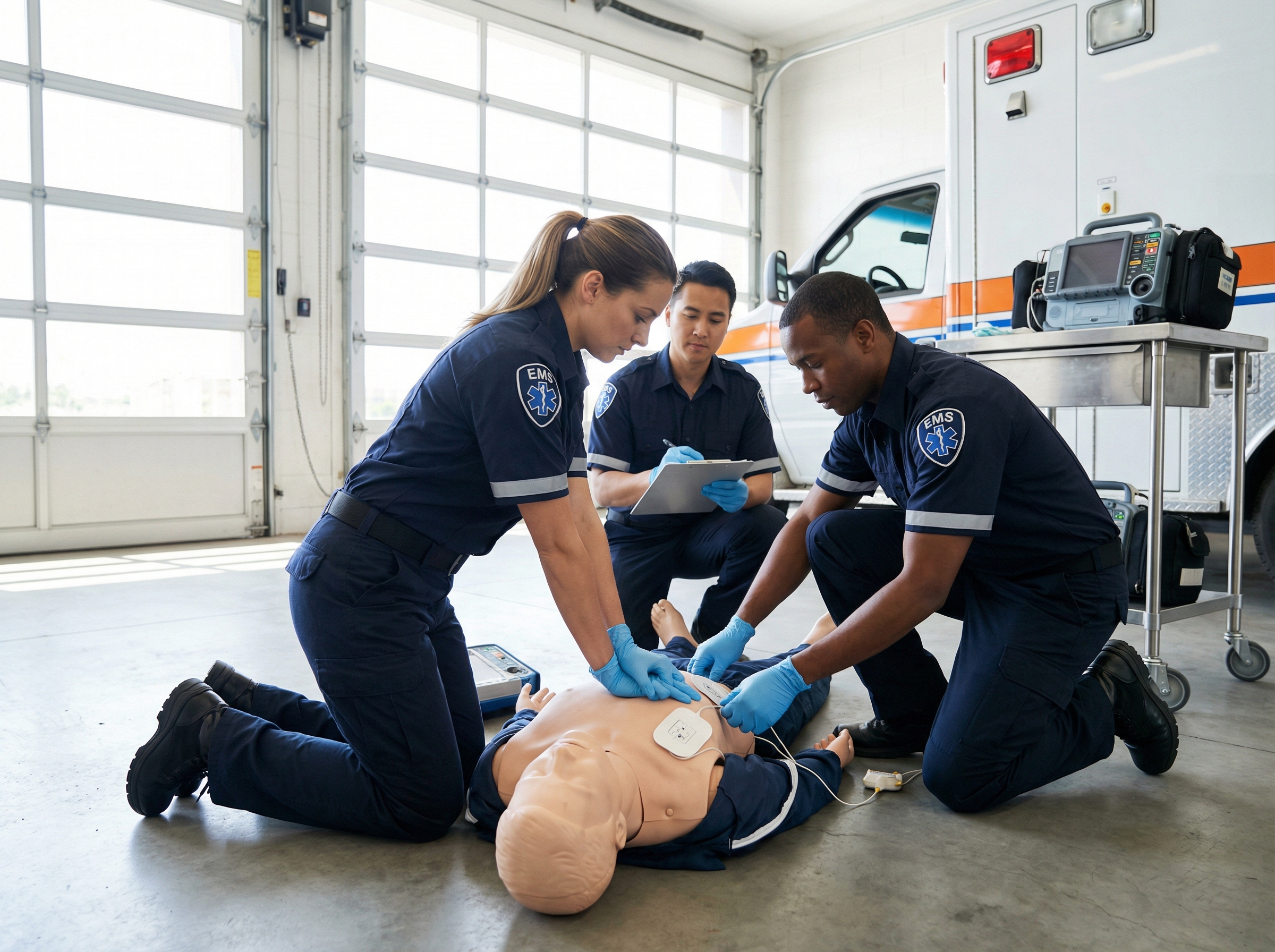
EMS team practicing ACLS cardiac arrest protocols on training mannequin


Understanding the EMS Career Ladder: From EMT to Paramedic

Before diving into how ACLS bridges the gap, it's important to understand the distinct levels within emergency medical services. The National Registry of Emergency Medical Technicians (NREMT) recognizes four primary certification levels: Emergency Medical Responder (EMR), Emergency Medical Technician (EMT), Advanced Emergency Medical Technician (AEMT), and Paramedic. Each level builds upon the previous one, expanding both knowledge base and scope of practice.


As an EMT, you're trained to provide basic life support, perform patient assessments, administer oxygen, assist with certain medications, and provide essential emergency care during transport. Your BLS certification forms the foundation of your clinical practice. However, the paramedic level requires mastery of advanced interventions including endotracheal intubation, surgical airways, intravenous access, medication administration, cardiac rhythm interpretation, electrical therapy, and complex clinical decision-making under pressure. To understand these foundational differences more deeply, explore our guide on what is the difference between BLS and ACLS.


The educational pathway reflects this complexity. While EMT certification typically requires 120-150 hours of training completed over several months, paramedic programs demand 1,200-1,800 hours of intensive instruction, clinical rotations, and field internships spread across one to two years. Most programs require applicants to have current EMT certification and field experience before admission, ensuring students arrive with a solid foundation in basic patient care and the realities of prehospital emergency medicine.


What Makes ACLS Essential for Paramedic Practice

Advanced Cardiovascular Life Support certification represents the gold standard for managing cardiac emergencies, and it's precisely this type of high-acuity care that defines paramedic practice. ACLS training, based on guidelines from the American Heart Association and the International Liaison Committee on Resuscitation (ILCOR), covers systematic approaches to cardiac arrest, stroke, acute coronary syndromes, and other cardiovascular emergencies that you'll encounter regularly as a paramedic.


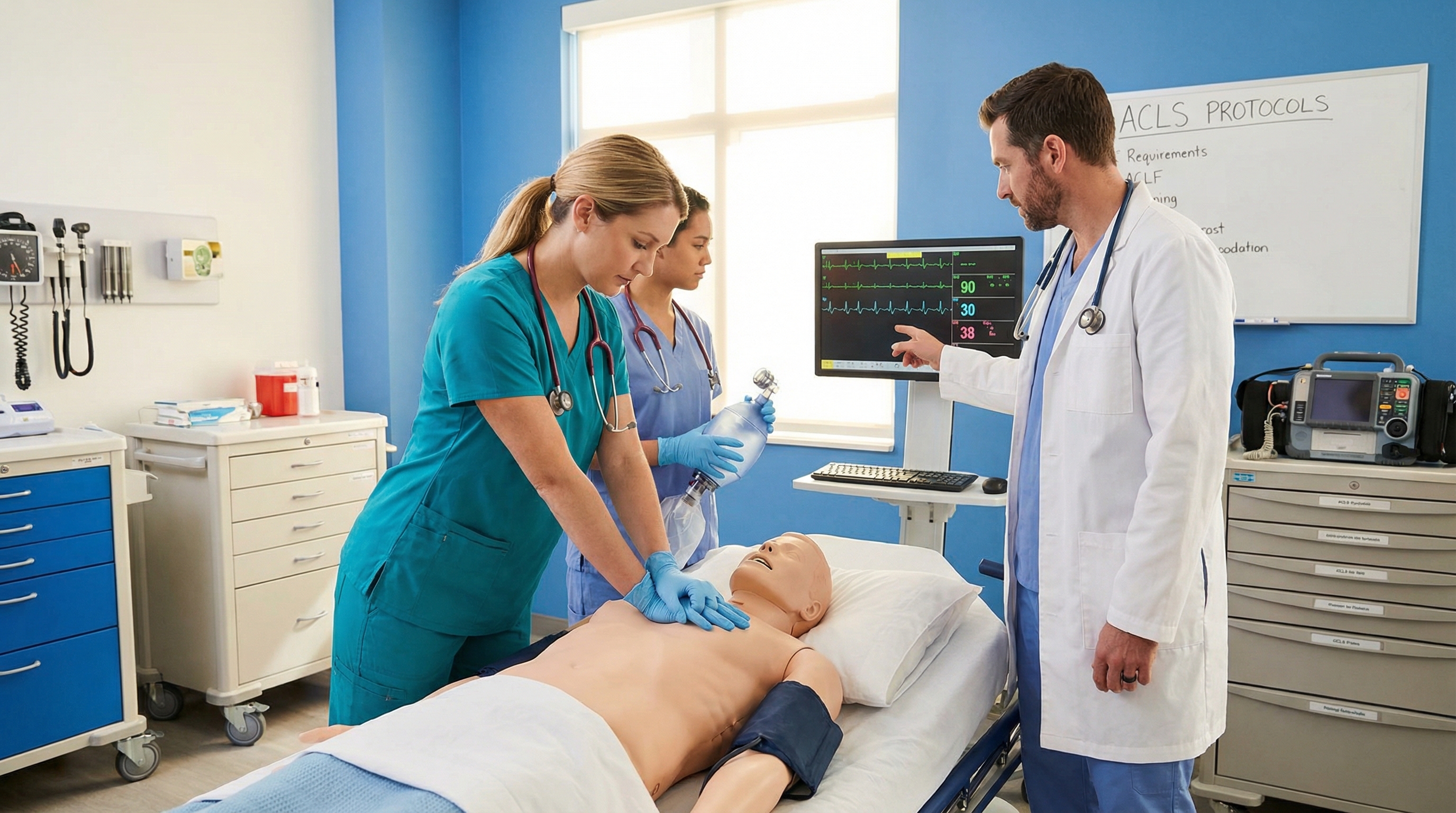
The core ACLS curriculum includes mastery of cardiac arrest algorithms for ventricular fibrillation, pulseless ventricular tachycardia, asystole, and pulseless electrical activity. You'll learn the proper sequence of interventions, medication administration protocols, and team dynamics that make the difference between successful resuscitation and poor outcomes. Research on ACLS-skilled paramedics and cardiac arrest outcomes demonstrates that advanced training significantly improves survival rates, particularly in areas where defibrillation cannot be delivered within optimal timeframes.


Beyond cardiac arrest management, ACLS training covers bradycardia and tachycardia protocols, post-cardiac arrest care, acute stroke recognition and management, and the pharmacology of emergency cardiac medications including epinephrine, amiodarone, adenosine, and atropine. For a comprehensive reference on these medications, our ACLS medications cheat sheet provides dosages, routes, and indications you'll need to master.


Perhaps most importantly, ACLS emphasizes high-performance team dynamics, effective communication, and systematic approaches to complex emergencies. As a paramedic, you'll often serve as team leader during cardiac arrests and other critical events. ACLS training develops these leadership skills alongside clinical knowledge, preparing you to coordinate multiple providers, delegate tasks appropriately, and maintain calm, focused direction during chaotic situations.


ACLS as a Paramedic Program Prerequisite

Many accredited paramedic programs now require or strongly recommend ACLS certification before admission or completion. This requirement reflects the reality that paramedic education builds directly upon ACLS concepts from day one. When you enter paramedic school already certified in ACLS, you arrive with foundational knowledge of cardiac rhythms, emergency algorithms, and medication protocols that your instructors will reference constantly throughout the curriculum.


According to NREMT certification requirements, paramedic candidates must complete a CAAHEP-accredited education program that meets or exceeds the National Emergency Medical Services Education Standards for Paramedic. These programs are developed in alignment with the National EMS Scope of Practice and integrate ACLS competencies throughout the curriculum. Some programs, like UCLA's paramedic program, allow students to earn ACLS, AMLS, PALS, and PHTLS certifications during the program as integrated components of their education.


Obtaining your ACLS certification before entering paramedic school offers several strategic advantages. First, it demonstrates commitment to advancing your career and shows program directors that you're serious about the profession. Second, it reduces your cognitive load during paramedic training—you won't be learning ACLS algorithms for the first time while simultaneously mastering dozens of other new skills and concepts. Third, it provides a realistic preview of the clinical decision-making complexity you'll face as a paramedic, helping you assess whether advanced practice truly aligns with your career goals.


How ACLS Bridges Specific Knowledge Gaps

The transition from EMT to paramedic involves substantial expansion in several key competency areas. ACLS certification directly addresses many of these gaps, providing structured education that accelerates your readiness for paramedic-level practice.


ECG Interpretation and Rhythm Recognition

While EMTs may apply AED pads and follow automated defibrillator prompts, paramedics must independently interpret cardiac rhythms and make treatment decisions based on their analysis. ACLS training introduces systematic ECG interpretation, teaching you to recognize normal sinus rhythm, various tachycardias and bradycardias, atrial fibrillation, heart blocks, and lethal rhythms requiring immediate intervention. This forms the foundation for the more advanced 12-lead ECG interpretation you'll learn in paramedic school.
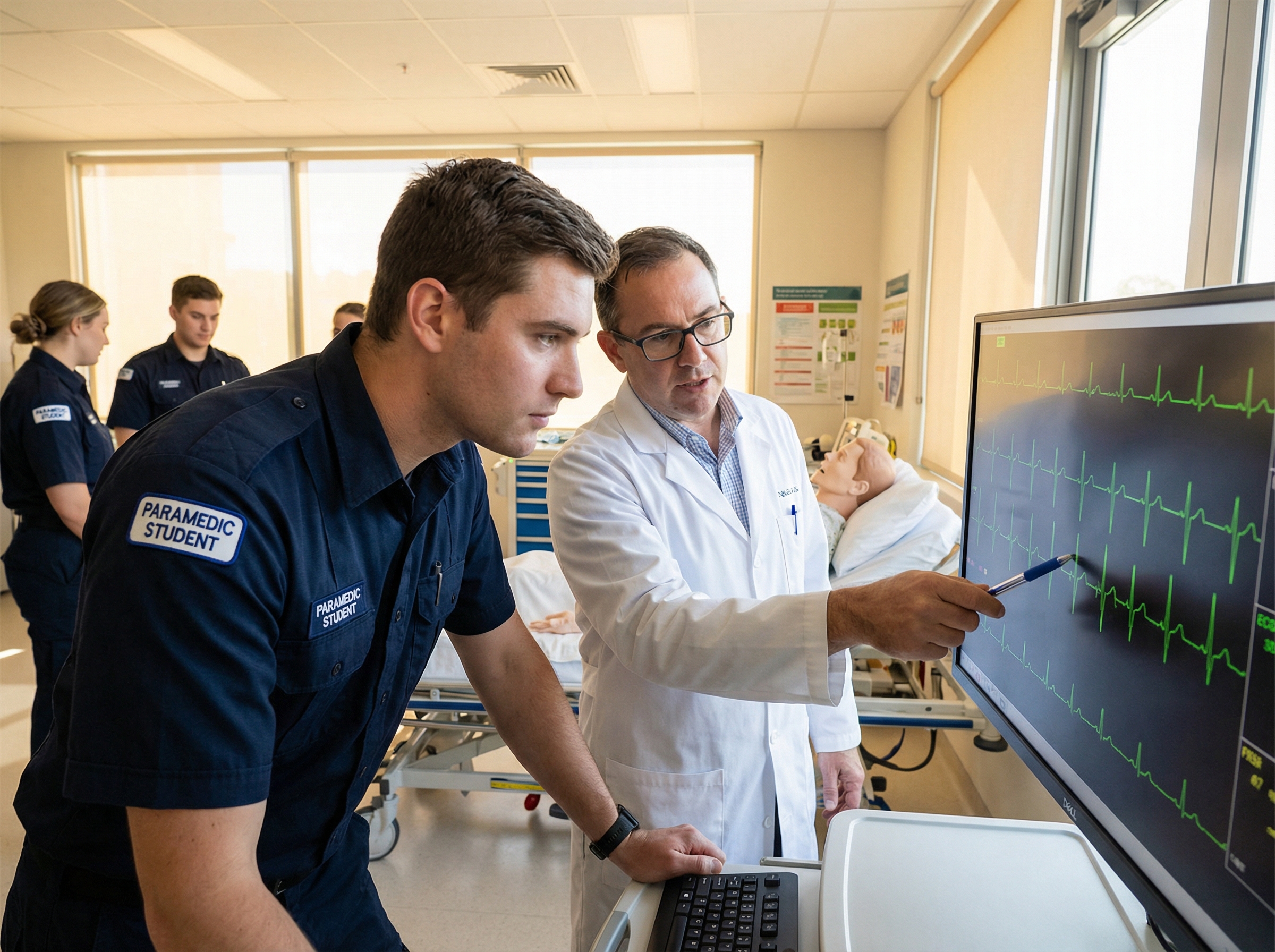
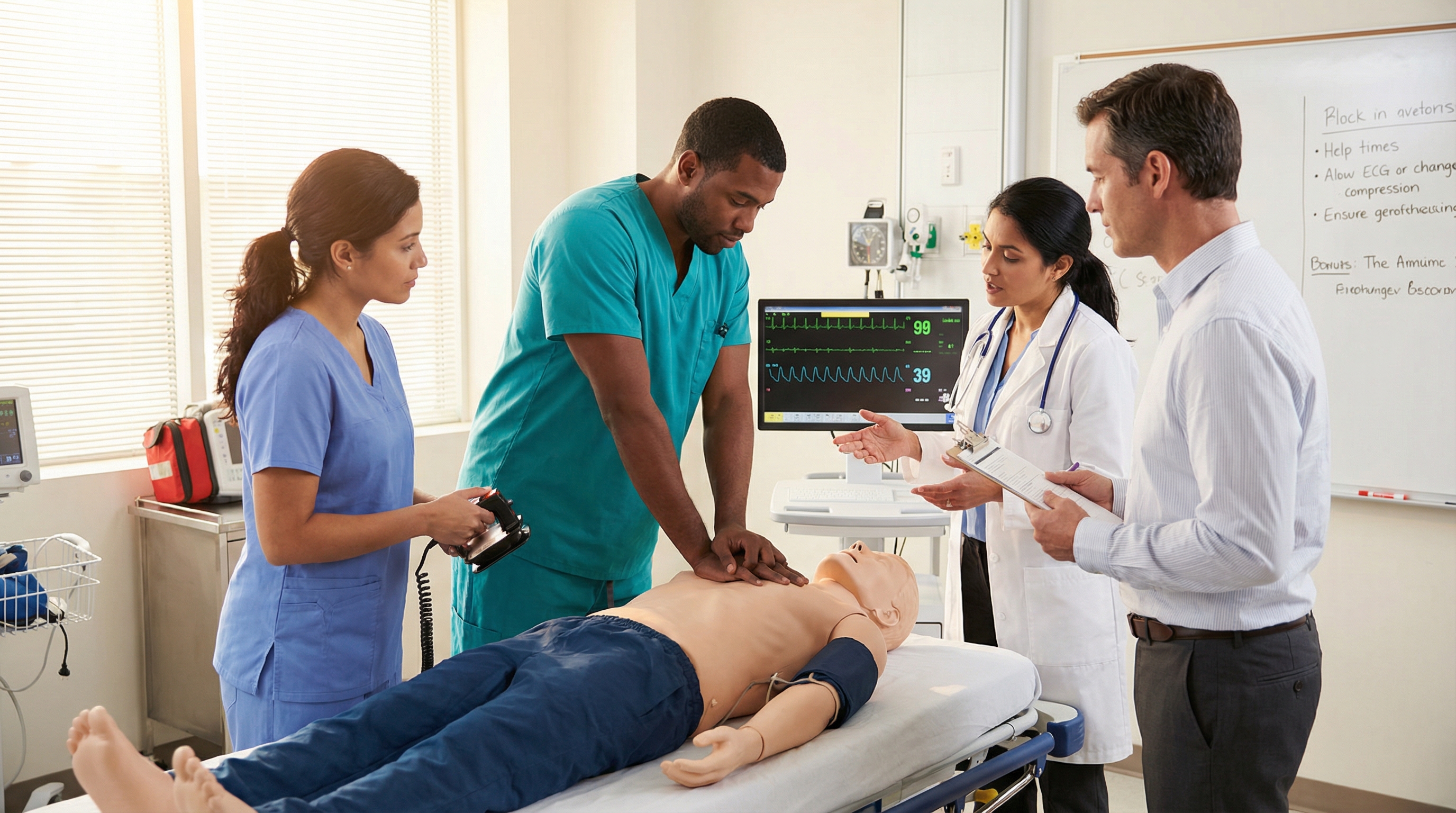
Paramedic student learning ECG interpretation with instructor


Advanced Pharmacology Foundation

EMT scope of practice typically limits medication administration to assisting patients with their prescribed medications and administering a handful of over-the-counter treatments. In contrast, paramedics must understand dozens of emergency medications, their mechanisms of action, proper dosing, contraindications, and side effects. ACLS provides your first exposure to emergency cardiac pharmacology, establishing mental frameworks for how you'll approach medication decisions throughout your paramedic career. The structured approach to epinephrine administration in cardiac arrest, for example, introduces dosage calculations, timing considerations, and route selection that you'll apply to many other medications.


Systematic Clinical Decision-Making

Perhaps the most significant difference between EMT and paramedic practice lies in the level of independent clinical judgment required. EMTs typically follow clear protocols with limited decision branches, while paramedics must assess complex patients, consider multiple differential diagnoses, and select appropriate interventions from broader treatment options. ACLS algorithms provide structured decision-making frameworks that train your brain to think systematically through emergencies. The "if-then" logic of ACLS protocols—if the patient is in VF, then defibrillate; if no pulse returns, then CPR and epinephrine—establishes cognitive patterns you'll use for every paramedic protocol you encounter.


Team Leadership and Communication

ACLS training places heavy emphasis on team dynamics, closed-loop communication, and effective leadership during resuscitations. These soft skills prove just as critical as clinical knowledge. As a paramedic, you'll regularly lead teams that include EMTs, first responders, and sometimes other paramedics. ACLS training provides frameworks for delegating tasks, maintaining situational awareness, and fostering an environment where team members feel empowered to speak up about concerns. These leadership competencies distinguish adequate paramedics from exceptional ones.


Mapping Your Certification Pathway from BLS to ACLS and Beyond

Understanding how certifications build upon each other helps you plan your professional development strategically. Most EMTs begin with BLS (Basic Life Support) certification, which covers high-quality CPR for adults, children, and infants, AED use, and basic airway management. This remains current throughout your career and requires renewal every two years.


As you prepare for paramedic school, adding ACLS certification demonstrates advanced competency in cardiovascular emergencies. Depending on your career interests, you might also pursue PALS (Pediatric Advanced Life Support) certification, which applies similar systematic approaches to pediatric emergencies. For a comprehensive look at planning this progression, our guide on how to map your career path from BLS certification to ACLS and PALS provides detailed roadmaps for different specialties.


Once you complete paramedic education and obtain National Registry certification, you'll need to maintain your credentials through continuing education. The NREMT's National Continued Competency Program requires 60 credits of continuing education every two years for paramedics, including national components that often involve ACLS and PALS refresher training. Your ACLS certification will require renewal every two years as well, ensuring your knowledge stays current with evolving resuscitation science.


Practical Steps to Prepare for ACLS Certification

If you're ready to pursue ACLS certification as part of your paramedic preparation, several steps will help you succeed. First, ensure your BLS skills are solid. ACLS training assumes proficiency in high-quality CPR, and you'll be expected to demonstrate proper technique during scenarios. Review current BLS guidelines and practice your compressions to ensure you're providing adequate depth and rate.


Second, begin familiarizing yourself with basic ECG rhythms before your ACLS course. While ACLS training includes rhythm recognition, arriving with some baseline knowledge accelerates your learning. Many free resources online provide ECG practice, and investing time in self-study pays dividends during the course.


Third, understand that ACLS certification requires both cognitive knowledge and hands-on skills. You'll need to demonstrate competency in scenarios that simulate real cardiac emergencies, working as part of a team to manage simulated patients. Practice communication skills, scenario thinking, and staying calm under pressure—these soft skills prove just as important as memorizing algorithms.


Finally, consider online ACLS certification options that provide flexibility for working EMTs. At Affordable ACLS, we've designed our ACLS certification program specifically for busy healthcare professionals who need convenient, affordable access to high-quality training. Our courses are developed by practicing Board Certified Emergency Medicine physicians who understand exactly what knowledge you need for real-world practice. You can complete the certification entirely online at your own pace, with unlimited retakes and immediate digital certification upon completion.


EMT-to-Paramedic Bridge Programs and ACLS Integration

Some states and institutions offer specific EMT-to-Paramedic bridge programs or AEMT-to-Paramedic bridge programs designed to streamline the transition for experienced providers. These programs recognize your existing EMS knowledge and build upon it rather than starting from scratch. According to bridge program curriculum best practices, these courses are developed in alignment with the National EMS Scope of Practice and National Education EMS Standards, using the same educational standards required for traditional paramedic programs.


Bridge programs typically assess your baseline knowledge through entrance examinations and require remediation in areas where you score below proficiency thresholds. ACLS concepts form a significant portion of these assessments because cardiovascular emergencies represent such a large percentage of paramedic call volume. Students entering bridge programs with current ACLS certification often test higher on entrance exams and progress more quickly through cardiac-related modules.


These programs teach advanced clinical decision-making, evidence-based practice, advanced pathophysiology, and emerging technology and treatments. During the course, you'll study advanced anatomy and physiology and pathological processes, learning advanced patient assessment techniques and treatment modalities including advanced airway management, IV insertion, fluid resuscitation, cardiac monitoring, and drug and electrical therapies for medical and trauma-related emergencies. Your ACLS foundation makes these cardiac components more intuitive, allowing you to focus cognitive energy on entirely new material like trauma management and medical emergencies outside the cardiovascular system.


Choosing the Right ACLS Certification Provider

Not all ACLS certifications are created equal, and choosing the right provider matters both for your learning and for your program applications. When evaluating ACLS certification options, look for courses based on current American Heart Association and International Liaison Committee on Resuscitation guidelines. These organizations establish the evidence-based standards that paramedic programs expect you to know.


Consider whether you need hands-on skills verification or if cognitive certification meets your immediate needs. Some paramedic programs accept online ACLS certification, while others require demonstration of practical skills. Check with your target programs before enrolling. At Affordable ACLS, we provide comprehensive online ACLS training that covers all cognitive components and algorithms, with the option to arrange skills verification through approved facilities if your program requires it.


Cost and convenience also factor into your decision. Traditional in-person ACLS courses often cost $200-300 and require you to attend specific class times, often taking a full day or two half-days from your schedule. As a working EMT preparing for paramedic school, you're likely managing shift work, family responsibilities, and the financial costs of upcoming education. Online certification options offer significant advantages in both affordability and flexibility. Our ACLS certification costs just $99, with recertification at $89—a fraction of traditional course fees. You can complete the training entirely at your own pace, studying between shifts or during downtime, with unlimited retakes ensuring you truly master the material.


Beyond the Certification: Applying ACLS Knowledge in Paramedic School

Obtaining ACLS certification represents an important milestone, but the real value emerges when you apply this knowledge throughout paramedic training and beyond. Your instructors will reference ACLS algorithms when teaching everything from medication administration to patient assessment. When you learn about acute coronary syndromes in your cardiology module, your ACLS background provides context for why certain treatments are prioritized. When you practice advanced airway management, you'll understand how it fits into the systematic approach to cardiac arrest you learned in ACLS.


During clinical rotations in emergency departments and ICUs, you'll witness ACLS protocols in action. Arriving with certification allows you to participate more meaningfully in these experiences. When a code is called and the team assembles, you'll recognize the algorithms being followed, understand the medications being pushed, and appreciate the team dynamics at play. This transforms you from a passive observer to an engaged learner who can ask informed questions and make meaningful connections between classroom theory and bedside practice.


In your field internship—the culminating experience where you function as a paramedic under supervision—your ACLS knowledge becomes operational. The first time you lead a cardiac arrest as the primary provider, you'll rely heavily on those algorithms you studied. The systematic approach ACLS taught you will guide your decision-making when faced with the sensory overload, time pressure, and emotional intensity of real emergencies. Many paramedic students report that their ACLS training proved invaluable during their first codes, providing cognitive scaffolding that prevented them from freezing or forgetting critical steps.


ACLS Certification and Long-Term Career Development

While this article focuses on how ACLS bridges the gap from EMT to paramedic, it's worth noting that ACLS certification continues to serve your career long after paramedic school. Many specialized paramedic positions—including critical care transport, flight paramedicine, and tactical medicine—require current ACLS certification as a baseline expectation. According to research on flight paramedic scope of practice, 95% of programs require ACLS certification, with many also requiring PALS and other advanced credentials.


ACLS certification also opens doors to non-traditional EMS careers. Many paramedics eventually transition into emergency department roles, serving as ED techs or pursuing nursing education. Others move into EMS education, becoming instructors for EMT and paramedic programs. Still others advance into administrative roles as EMS coordinators, supervisors, or chiefs. In all these pathways, ACLS certification remains relevant and often required.


For paramedics considering further advancement, ACLS serves as foundation for physician assistant programs, nursing programs, and even medical school. If you're interested in the PA pathway, our guide on from paramedic to PA outlines how your EMS experience and certifications strengthen your applications. The clinical decision-making skills you develop through ACLS training translate directly to the diagnostic reasoning required in advanced practice roles.


Financial Planning for Your EMT-to-Paramedic Transition

Let's address the practical reality that advancing from EMT to paramedic involves significant financial investment. Paramedic programs typically cost between $5,000 and $15,000 depending on the institution and your state. You'll also face costs for textbooks, equipment, certification exams, and potentially reduced work hours during your clinical rotations and field internship. Many EMTs work full-time while attending paramedic school, but the intensive nature of the program may require you to reduce shifts or take unpaid leave during critical phases.


When budgeting for this transition, factor in certification costs as well. Your National Registry Paramedic examination costs $175 per attempt, and you'll need to maintain BLS, ACLS, and possibly PALS certifications throughout your career. These recertification requirements occur every two years and can add up quickly if you're paying traditional course fees of $200-300 per certification.


This is where affordable certification options make a meaningful difference. By choosing online ACLS certification at $99 instead of traditional courses at $250+, you save $150 or more—money you can redirect toward tuition, books, or living expenses during school. Over a career of recertifying every two years, these savings compound significantly. Our approach at Affordable ACLS emerged from recognizing this exact challenge. As practicing emergency physicians who've taught countless paramedic students, we created the certification solution we wished existed: affordable, flexible, and clinically focused for busy healthcare professionals preparing for career advancement.


Creating Your Timeline: From EMT to Paramedic

If you're currently working as an EMT and planning your paramedic journey, creating a realistic timeline helps you prepare mentally, financially, and professionally. Most experts recommend gaining at least six months to one year of field experience as an EMT before applying to paramedic programs. This experience builds your confidence in patient interaction, vehicle operations, and basic emergency care while helping you assess whether you genuinely want to advance in EMS.


During this EMT experience phase, focus on obtaining prerequisite certifications and completing required coursework. Many paramedic programs require anatomy and physiology courses completed within the past five years, and some require additional science prerequisites. Use your EMT tenure to knock out these requirements at a community college while you're working. This also represents an ideal time to obtain your ACLS certification—you're still early enough in your career that you can absorb the material without the pressure of immediate program deadlines, but experienced enough to appreciate its relevance to what you see in the field.


When you're ready to apply to paramedic programs, research your options thoroughly. Application deadlines typically fall six to twelve months before program start dates, and competitive programs may have additional requirements like entrance exams, interviews, or physical ability tests. Having your ACLS certification already completed strengthens your application and demonstrates proactive career planning.


Once accepted, the paramedic program itself typically runs 12-24 months depending on whether you attend full-time or part-time. Throughout this period, you'll need to maintain your EMT certification, BLS certification, and ACLS certification, ensuring none lapse before you complete the program. After graduation, you'll take the National Registry Paramedic examination, and upon passing, you can apply for state licensure and begin working as a paramedic—a journey that typically spans 2-3 years from your initial EMT certification to your first day as a practicing paramedic.


Is Paramedic Advancement Right for You?

Before committing to the EMT-to-paramedic pathway, honestly assess whether this advancement aligns with your career goals, learning style, and personal circumstances. Paramedic practice involves significantly more responsibility, liability, and stress than EMT work. You'll make independent decisions that directly impact patient outcomes, sometimes with incomplete information and under intense time pressure. You'll manage deaths, deliver difficult news to families, and carry the emotional weight of emergency medicine.


The educational rigor also demands consideration. Paramedic programs involve intensive study of anatomy, physiology, pathophysiology, pharmacology, and clinical skills. You'll need strong academic abilities, self-discipline, and genuine intellectual curiosity about medicine. If you struggled with the EMT curriculum or found the material uninteresting, paramedic school's deeper dive into medical science may prove overwhelming.


On the positive side, paramedic practice offers greater autonomy, more diverse patient care experiences, increased earning potential (with median wages of $58,410 compared to $41,340 for EMTs according to the Bureau of Labor Statistics), and clearer pathways to specialized roles and leadership positions. For many EMTs, the ability to perform advanced interventions and make independent clinical decisions represents deeply satisfying professional growth.


Consider pursuing your ACLS certification as a low-risk way to test the waters. The cognitive challenge of ACLS training provides a realistic preview of paramedic-level thinking. If you find the algorithms fascinating, enjoy the pharmacology, and feel energized by the complexity, that's a positive signal. If you find it overwhelming or uninteresting, you've discovered important information about fit before investing in a full paramedic program.


Taking the Next Step in Your EMS Career

The journey from EMT to paramedic represents transformative professional development that opens doors throughout emergency medicine and beyond. ACLS certification serves as a critical bridge in this transition, providing foundational knowledge in cardiac emergencies, systematic decision-making frameworks, and team leadership skills that you'll apply throughout your paramedic education and career.


Whether you're just beginning to consider paramedic school or you're actively preparing your application, obtaining ACLS certification now positions you for success. You'll arrive at paramedic training with confidence in cardiovascular emergency management, familiarity with the clinical reasoning you'll use daily, and demonstrated commitment to advancing your practice. For comprehensive guidance on which certifications you need at each career stage, explore our resource on ACLS, PALS, and BLS: which certification do you actually need.


At Affordable ACLS, we're committed to supporting healthcare professionals at every stage of their careers. Our online ACLS certification provides the same high-quality, evidence-based training you'd receive in traditional courses, but with the affordability and flexibility that busy EMTs need. Developed by practicing Board Certified Emergency Medicine physicians with over 20 years of combined clinical and academic experience, our courses focus on the practical, essential knowledge you'll actually use in patient care. You can complete your certification entirely online, at your own pace, with unlimited retakes and immediate digital certification upon passing.


The path from EMT to paramedic demands dedication, investment, and perseverance, but for those called to advanced practice in emergency medicine, it offers profound professional rewards. ACLS certification provides the knowledge foundation that makes this transition possible, bridging the gap between basic and advanced life support with systematic approaches to the cardiovascular emergencies you'll manage throughout your paramedic career. Take that next step today—your future as a paramedic begins with the decision to expand your capabilities and deepen your clinical expertise.


ACLS Blogs

From EMT to Paramedic: How ACLS Certification Bridges the Gap

Making the transition from Emergency Medical Technician to Paramedic represents one of the most significant career advancements in emergency medical services. At the heart of this transition lies Advanced Cardiovascular Life Support (ACLS) certification—a credential that fundamentally bridges the knowledge gap between basic and advanced practice.

The Critical Role of ACLS in Your Paramedic Journey

Making the transition from Emergency Medical Technician to Paramedic represents one of the most significant career advancements in emergency medical services. While EMTs provide essential basic life support and patient stabilization, paramedics operate at an advanced level with expanded scope of practice, independent clinical decision-making authority, and the ability to perform life-saving interventions that EMTs cannot. At the heart of this transition lies Advanced Cardiovascular Life Support (ACLS) certification—a credential that doesn't just check a box on your paramedic application, but fundamentally bridges the knowledge gap between basic and advanced practice.


If you're an EMT considering the leap to paramedic, understanding how ACLS certification fits into your education pathway will help you prepare for the rigorous training ahead. According to the U.S. Bureau of Labor Statistics, the demand for paramedics continues to grow, with 16,200 new EMT and paramedic positions projected between 2023 and 2033. This represents a 6 percent increase in opportunities for those ready to advance their careers. ACLS certification serves as both a prerequisite for many paramedic programs and an essential competency that you'll use daily in advanced patient care.

EMS team practicing ACLS cardiac arrest protocols on training mannequin


Understanding the EMS Career Ladder: From EMT to Paramedic

Before diving into how ACLS bridges the gap, it's important to understand the distinct levels within emergency medical services. The National Registry of Emergency Medical Technicians (NREMT) recognizes four primary certification levels: Emergency Medical Responder (EMR), Emergency Medical Technician (EMT), Advanced Emergency Medical Technician (AEMT), and Paramedic. Each level builds upon the previous one, expanding both knowledge base and scope of practice.


As an EMT, you're trained to provide basic life support, perform patient assessments, administer oxygen, assist with certain medications, and provide essential emergency care during transport. Your BLS certification forms the foundation of your clinical practice. However, the paramedic level requires mastery of advanced interventions including endotracheal intubation, surgical airways, intravenous access, medication administration, cardiac rhythm interpretation, electrical therapy, and complex clinical decision-making under pressure. To understand these foundational differences more deeply, explore our guide on what is the difference between BLS and ACLS.


The educational pathway reflects this complexity. While EMT certification typically requires 120-150 hours of training completed over several months, paramedic programs demand 1,200-1,800 hours of intensive instruction, clinical rotations, and field internships spread across one to two years. Most programs require applicants to have current EMT certification and field experience before admission, ensuring students arrive with a solid foundation in basic patient care and the realities of prehospital emergency medicine.


What Makes ACLS Essential for Paramedic Practice

Advanced Cardiovascular Life Support certification represents the gold standard for managing cardiac emergencies, and it's precisely this type of high-acuity care that defines paramedic practice. ACLS training, based on guidelines from the American Heart Association and the International Liaison Committee on Resuscitation (ILCOR), covers systematic approaches to cardiac arrest, stroke, acute coronary syndromes, and other cardiovascular emergencies that you'll encounter regularly as a paramedic.


The core ACLS curriculum includes mastery of cardiac arrest algorithms for ventricular fibrillation, pulseless ventricular tachycardia, asystole, and pulseless electrical activity. You'll learn the proper sequence of interventions, medication administration protocols, and team dynamics that make the difference between successful resuscitation and poor outcomes. Research on ACLS-skilled paramedics and cardiac arrest outcomes demonstrates that advanced training significantly improves survival rates, particularly in areas where defibrillation cannot be delivered within optimal timeframes.


Beyond cardiac arrest management, ACLS training covers bradycardia and tachycardia protocols, post-cardiac arrest care, acute stroke recognition and management, and the pharmacology of emergency cardiac medications including epinephrine, amiodarone, adenosine, and atropine. For a comprehensive reference on these medications, our ACLS medications cheat sheet provides dosages, routes, and indications you'll need to master.


Perhaps most importantly, ACLS emphasizes high-performance team dynamics, effective communication, and systematic approaches to complex emergencies. As a paramedic, you'll often serve as team leader during cardiac arrests and other critical events. ACLS training develops these leadership skills alongside clinical knowledge, preparing you to coordinate multiple providers, delegate tasks appropriately, and maintain calm, focused direction during chaotic situations.


ACLS as a Paramedic Program Prerequisite

Many accredited paramedic programs now require or strongly recommend ACLS certification before admission or completion. This requirement reflects the reality that paramedic education builds directly upon ACLS concepts from day one. When you enter paramedic school already certified in ACLS, you arrive with foundational knowledge of cardiac rhythms, emergency algorithms, and medication protocols that your instructors will reference constantly throughout the curriculum.


According to NREMT certification requirements, paramedic candidates must complete a CAAHEP-accredited education program that meets or exceeds the National Emergency Medical Services Education Standards for Paramedic. These programs are developed in alignment with the National EMS Scope of Practice and integrate ACLS competencies throughout the curriculum. Some programs, like UCLA's paramedic program, allow students to earn ACLS, AMLS, PALS, and PHTLS certifications during the program as integrated components of their education.


Obtaining your ACLS certification before entering paramedic school offers several strategic advantages. First, it demonstrates commitment to advancing your career and shows program directors that you're serious about the profession. Second, it reduces your cognitive load during paramedic training—you won't be learning ACLS algorithms for the first time while simultaneously mastering dozens of other new skills and concepts. Third, it provides a realistic preview of the clinical decision-making complexity you'll face as a paramedic, helping you assess whether advanced practice truly aligns with your career goals.


How ACLS Bridges Specific Knowledge Gaps

The transition from EMT to paramedic involves substantial expansion in several key competency areas. ACLS certification directly addresses many of these gaps, providing structured education that accelerates your readiness for paramedic-level practice.


ECG Interpretation and Rhythm Recognition

While EMTs may apply AED pads and follow automated defibrillator prompts, paramedics must independently interpret cardiac rhythms and make treatment decisions based on their analysis. ACLS training introduces systematic ECG interpretation, teaching you to recognize normal sinus rhythm, various tachycardias and bradycardias, atrial fibrillation, heart blocks, and lethal rhythms requiring immediate intervention. This forms the foundation for the more advanced 12-lead ECG interpretation you'll learn in paramedic school.

Paramedic student learning ECG interpretation with instructor


Advanced Pharmacology Foundation

EMT scope of practice typically limits medication administration to assisting patients with their prescribed medications and administering a handful of over-the-counter treatments. In contrast, paramedics must understand dozens of emergency medications, their mechanisms of action, proper dosing, contraindications, and side effects. ACLS provides your first exposure to emergency cardiac pharmacology, establishing mental frameworks for how you'll approach medication decisions throughout your paramedic career. The structured approach to epinephrine administration in cardiac arrest, for example, introduces dosage calculations, timing considerations, and route selection that you'll apply to many other medications.


Systematic Clinical Decision-Making

Perhaps the most significant difference between EMT and paramedic practice lies in the level of independent clinical judgment required. EMTs typically follow clear protocols with limited decision branches, while paramedics must assess complex patients, consider multiple differential diagnoses, and select appropriate interventions from broader treatment options. ACLS algorithms provide structured decision-making frameworks that train your brain to think systematically through emergencies. The "if-then" logic of ACLS protocols—if the patient is in VF, then defibrillate; if no pulse returns, then CPR and epinephrine—establishes cognitive patterns you'll use for every paramedic protocol you encounter.


Team Leadership and Communication

ACLS training places heavy emphasis on team dynamics, closed-loop communication, and effective leadership during resuscitations. These soft skills prove just as critical as clinical knowledge. As a paramedic, you'll regularly lead teams that include EMTs, first responders, and sometimes other paramedics. ACLS training provides frameworks for delegating tasks, maintaining situational awareness, and fostering an environment where team members feel empowered to speak up about concerns. These leadership competencies distinguish adequate paramedics from exceptional ones.


Mapping Your Certification Pathway from BLS to ACLS and Beyond

Understanding how certifications build upon each other helps you plan your professional development strategically. Most EMTs begin with BLS (Basic Life Support) certification, which covers high-quality CPR for adults, children, and infants, AED use, and basic airway management. This remains current throughout your career and requires renewal every two years.


As you prepare for paramedic school, adding ACLS certification demonstrates advanced competency in cardiovascular emergencies. Depending on your career interests, you might also pursue PALS (Pediatric Advanced Life Support) certification, which applies similar systematic approaches to pediatric emergencies. For a comprehensive look at planning this progression, our guide on how to map your career path from BLS certification to ACLS and PALS provides detailed roadmaps for different specialties.


Once you complete paramedic education and obtain National Registry certification, you'll need to maintain your credentials through continuing education. The NREMT's National Continued Competency Program requires 60 credits of continuing education every two years for paramedics, including national components that often involve ACLS and PALS refresher training. Your ACLS certification will require renewal every two years as well, ensuring your knowledge stays current with evolving resuscitation science.


Practical Steps to Prepare for ACLS Certification

If you're ready to pursue ACLS certification as part of your paramedic preparation, several steps will help you succeed. First, ensure your BLS skills are solid. ACLS training assumes proficiency in high-quality CPR, and you'll be expected to demonstrate proper technique during scenarios. Review current BLS guidelines and practice your compressions to ensure you're providing adequate depth and rate.


Second, begin familiarizing yourself with basic ECG rhythms before your ACLS course. While ACLS training includes rhythm recognition, arriving with some baseline knowledge accelerates your learning. Many free resources online provide ECG practice, and investing time in self-study pays dividends during the course.


Third, understand that ACLS certification requires both cognitive knowledge and hands-on skills. You'll need to demonstrate competency in scenarios that simulate real cardiac emergencies, working as part of a team to manage simulated patients. Practice communication skills, scenario thinking, and staying calm under pressure—these soft skills prove just as important as memorizing algorithms.


Finally, consider online ACLS certification options that provide flexibility for working EMTs. At Affordable ACLS, we've designed our ACLS certification program specifically for busy healthcare professionals who need convenient, affordable access to high-quality training. Our courses are developed by practicing Board Certified Emergency Medicine physicians who understand exactly what knowledge you need for real-world practice. You can complete the certification entirely online at your own pace, with unlimited retakes and immediate digital certification upon completion.


EMT-to-Paramedic Bridge Programs and ACLS Integration

Some states and institutions offer specific EMT-to-Paramedic bridge programs or AEMT-to-Paramedic bridge programs designed to streamline the transition for experienced providers. These programs recognize your existing EMS knowledge and build upon it rather than starting from scratch. According to bridge program curriculum best practices, these courses are developed in alignment with the National EMS Scope of Practice and National Education EMS Standards, using the same educational standards required for traditional paramedic programs.


Bridge programs typically assess your baseline knowledge through entrance examinations and require remediation in areas where you score below proficiency thresholds. ACLS concepts form a significant portion of these assessments because cardiovascular emergencies represent such a large percentage of paramedic call volume. Students entering bridge programs with current ACLS certification often test higher on entrance exams and progress more quickly through cardiac-related modules.


These programs teach advanced clinical decision-making, evidence-based practice, advanced pathophysiology, and emerging technology and treatments. During the course, you'll study advanced anatomy and physiology and pathological processes, learning advanced patient assessment techniques and treatment modalities including advanced airway management, IV insertion, fluid resuscitation, cardiac monitoring, and drug and electrical therapies for medical and trauma-related emergencies. Your ACLS foundation makes these cardiac components more intuitive, allowing you to focus cognitive energy on entirely new material like trauma management and medical emergencies outside the cardiovascular system.


Choosing the Right ACLS Certification Provider

Not all ACLS certifications are created equal, and choosing the right provider matters both for your learning and for your program applications. When evaluating ACLS certification options, look for courses based on current American Heart Association and International Liaison Committee on Resuscitation guidelines. These organizations establish the evidence-based standards that paramedic programs expect you to know.


Consider whether you need hands-on skills verification or if cognitive certification meets your immediate needs. Some paramedic programs accept online ACLS certification, while others require demonstration of practical skills. Check with your target programs before enrolling. At Affordable ACLS, we provide comprehensive online ACLS training that covers all cognitive components and algorithms, with the option to arrange skills verification through approved facilities if your program requires it.


Cost and convenience also factor into your decision. Traditional in-person ACLS courses often cost $200-300 and require you to attend specific class times, often taking a full day or two half-days from your schedule. As a working EMT preparing for paramedic school, you're likely managing shift work, family responsibilities, and the financial costs of upcoming education. Online certification options offer significant advantages in both affordability and flexibility. Our ACLS certification costs just $99, with recertification at $89—a fraction of traditional course fees. You can complete the training entirely at your own pace, studying between shifts or during downtime, with unlimited retakes ensuring you truly master the material.


Beyond the Certification: Applying ACLS Knowledge in Paramedic School

Obtaining ACLS certification represents an important milestone, but the real value emerges when you apply this knowledge throughout paramedic training and beyond. Your instructors will reference ACLS algorithms when teaching everything from medication administration to patient assessment. When you learn about acute coronary syndromes in your cardiology module, your ACLS background provides context for why certain treatments are prioritized. When you practice advanced airway management, you'll understand how it fits into the systematic approach to cardiac arrest you learned in ACLS.


During clinical rotations in emergency departments and ICUs, you'll witness ACLS protocols in action. Arriving with certification allows you to participate more meaningfully in these experiences. When a code is called and the team assembles, you'll recognize the algorithms being followed, understand the medications being pushed, and appreciate the team dynamics at play. This transforms you from a passive observer to an engaged learner who can ask informed questions and make meaningful connections between classroom theory and bedside practice.


In your field internship—the culminating experience where you function as a paramedic under supervision—your ACLS knowledge becomes operational. The first time you lead a cardiac arrest as the primary provider, you'll rely heavily on those algorithms you studied. The systematic approach ACLS taught you will guide your decision-making when faced with the sensory overload, time pressure, and emotional intensity of real emergencies. Many paramedic students report that their ACLS training proved invaluable during their first codes, providing cognitive scaffolding that prevented them from freezing or forgetting critical steps.


ACLS Certification and Long-Term Career Development

While this article focuses on how ACLS bridges the gap from EMT to paramedic, it's worth noting that ACLS certification continues to serve your career long after paramedic school. Many specialized paramedic positions—including critical care transport, flight paramedicine, and tactical medicine—require current ACLS certification as a baseline expectation. According to research on flight paramedic scope of practice, 95% of programs require ACLS certification, with many also requiring PALS and other advanced credentials.


ACLS certification also opens doors to non-traditional EMS careers. Many paramedics eventually transition into emergency department roles, serving as ED techs or pursuing nursing education. Others move into EMS education, becoming instructors for EMT and paramedic programs. Still others advance into administrative roles as EMS coordinators, supervisors, or chiefs. In all these pathways, ACLS certification remains relevant and often required.


For paramedics considering further advancement, ACLS serves as foundation for physician assistant programs, nursing programs, and even medical school. If you're interested in the PA pathway, our guide on from paramedic to PA outlines how your EMS experience and certifications strengthen your applications. The clinical decision-making skills you develop through ACLS training translate directly to the diagnostic reasoning required in advanced practice roles.


Financial Planning for Your EMT-to-Paramedic Transition

Let's address the practical reality that advancing from EMT to paramedic involves significant financial investment. Paramedic programs typically cost between $5,000 and $15,000 depending on the institution and your state. You'll also face costs for textbooks, equipment, certification exams, and potentially reduced work hours during your clinical rotations and field internship. Many EMTs work full-time while attending paramedic school, but the intensive nature of the program may require you to reduce shifts or take unpaid leave during critical phases.


When budgeting for this transition, factor in certification costs as well. Your National Registry Paramedic examination costs $175 per attempt, and you'll need to maintain BLS, ACLS, and possibly PALS certifications throughout your career. These recertification requirements occur every two years and can add up quickly if you're paying traditional course fees of $200-300 per certification.


This is where affordable certification options make a meaningful difference. By choosing online ACLS certification at $99 instead of traditional courses at $250+, you save $150 or more—money you can redirect toward tuition, books, or living expenses during school. Over a career of recertifying every two years, these savings compound significantly. Our approach at Affordable ACLS emerged from recognizing this exact challenge. As practicing emergency physicians who've taught countless paramedic students, we created the certification solution we wished existed: affordable, flexible, and clinically focused for busy healthcare professionals preparing for career advancement.


Creating Your Timeline: From EMT to Paramedic

If you're currently working as an EMT and planning your paramedic journey, creating a realistic timeline helps you prepare mentally, financially, and professionally. Most experts recommend gaining at least six months to one year of field experience as an EMT before applying to paramedic programs. This experience builds your confidence in patient interaction, vehicle operations, and basic emergency care while helping you assess whether you genuinely want to advance in EMS.


During this EMT experience phase, focus on obtaining prerequisite certifications and completing required coursework. Many paramedic programs require anatomy and physiology courses completed within the past five years, and some require additional science prerequisites. Use your EMT tenure to knock out these requirements at a community college while you're working. This also represents an ideal time to obtain your ACLS certification—you're still early enough in your career that you can absorb the material without the pressure of immediate program deadlines, but experienced enough to appreciate its relevance to what you see in the field.


When you're ready to apply to paramedic programs, research your options thoroughly. Application deadlines typically fall six to twelve months before program start dates, and competitive programs may have additional requirements like entrance exams, interviews, or physical ability tests. Having your ACLS certification already completed strengthens your application and demonstrates proactive career planning.


Once accepted, the paramedic program itself typically runs 12-24 months depending on whether you attend full-time or part-time. Throughout this period, you'll need to maintain your EMT certification, BLS certification, and ACLS certification, ensuring none lapse before you complete the program. After graduation, you'll take the National Registry Paramedic examination, and upon passing, you can apply for state licensure and begin working as a paramedic—a journey that typically spans 2-3 years from your initial EMT certification to your first day as a practicing paramedic.


Is Paramedic Advancement Right for You?

Before committing to the EMT-to-paramedic pathway, honestly assess whether this advancement aligns with your career goals, learning style, and personal circumstances. Paramedic practice involves significantly more responsibility, liability, and stress than EMT work. You'll make independent decisions that directly impact patient outcomes, sometimes with incomplete information and under intense time pressure. You'll manage deaths, deliver difficult news to families, and carry the emotional weight of emergency medicine.


The educational rigor also demands consideration. Paramedic programs involve intensive study of anatomy, physiology, pathophysiology, pharmacology, and clinical skills. You'll need strong academic abilities, self-discipline, and genuine intellectual curiosity about medicine. If you struggled with the EMT curriculum or found the material uninteresting, paramedic school's deeper dive into medical science may prove overwhelming.


On the positive side, paramedic practice offers greater autonomy, more diverse patient care experiences, increased earning potential (with median wages of $58,410 compared to $41,340 for EMTs according to the Bureau of Labor Statistics), and clearer pathways to specialized roles and leadership positions. For many EMTs, the ability to perform advanced interventions and make independent clinical decisions represents deeply satisfying professional growth.


Consider pursuing your ACLS certification as a low-risk way to test the waters. The cognitive challenge of ACLS training provides a realistic preview of paramedic-level thinking. If you find the algorithms fascinating, enjoy the pharmacology, and feel energized by the complexity, that's a positive signal. If you find it overwhelming or uninteresting, you've discovered important information about fit before investing in a full paramedic program.


Taking the Next Step in Your EMS Career

The journey from EMT to paramedic represents transformative professional development that opens doors throughout emergency medicine and beyond. ACLS certification serves as a critical bridge in this transition, providing foundational knowledge in cardiac emergencies, systematic decision-making frameworks, and team leadership skills that you'll apply throughout your paramedic education and career.


Whether you're just beginning to consider paramedic school or you're actively preparing your application, obtaining ACLS certification now positions you for success. You'll arrive at paramedic training with confidence in cardiovascular emergency management, familiarity with the clinical reasoning you'll use daily, and demonstrated commitment to advancing your practice. For comprehensive guidance on which certifications you need at each career stage, explore our resource on ACLS, PALS, and BLS: which certification do you actually need.


At Affordable ACLS, we're committed to supporting healthcare professionals at every stage of their careers. Our online ACLS certification provides the same high-quality, evidence-based training you'd receive in traditional courses, but with the affordability and flexibility that busy EMTs need. Developed by practicing Board Certified Emergency Medicine physicians with over 20 years of combined clinical and academic experience, our courses focus on the practical, essential knowledge you'll actually use in patient care. You can complete your certification entirely online, at your own pace, with unlimited retakes and immediate digital certification upon passing.


The path from EMT to paramedic demands dedication, investment, and perseverance, but for those called to advanced practice in emergency medicine, it offers profound professional rewards. ACLS certification provides the knowledge foundation that makes this transition possible, bridging the gap between basic and advanced life support with systematic approaches to the cardiovascular emergencies you'll manage throughout your paramedic career. Take that next step today—your future as a paramedic begins with the decision to expand your capabilities and deepen your clinical expertise.


blogs

More articles for you

all articles

Start Today!

Get certified at your own pace, on your schedule, from the comfort of your home.