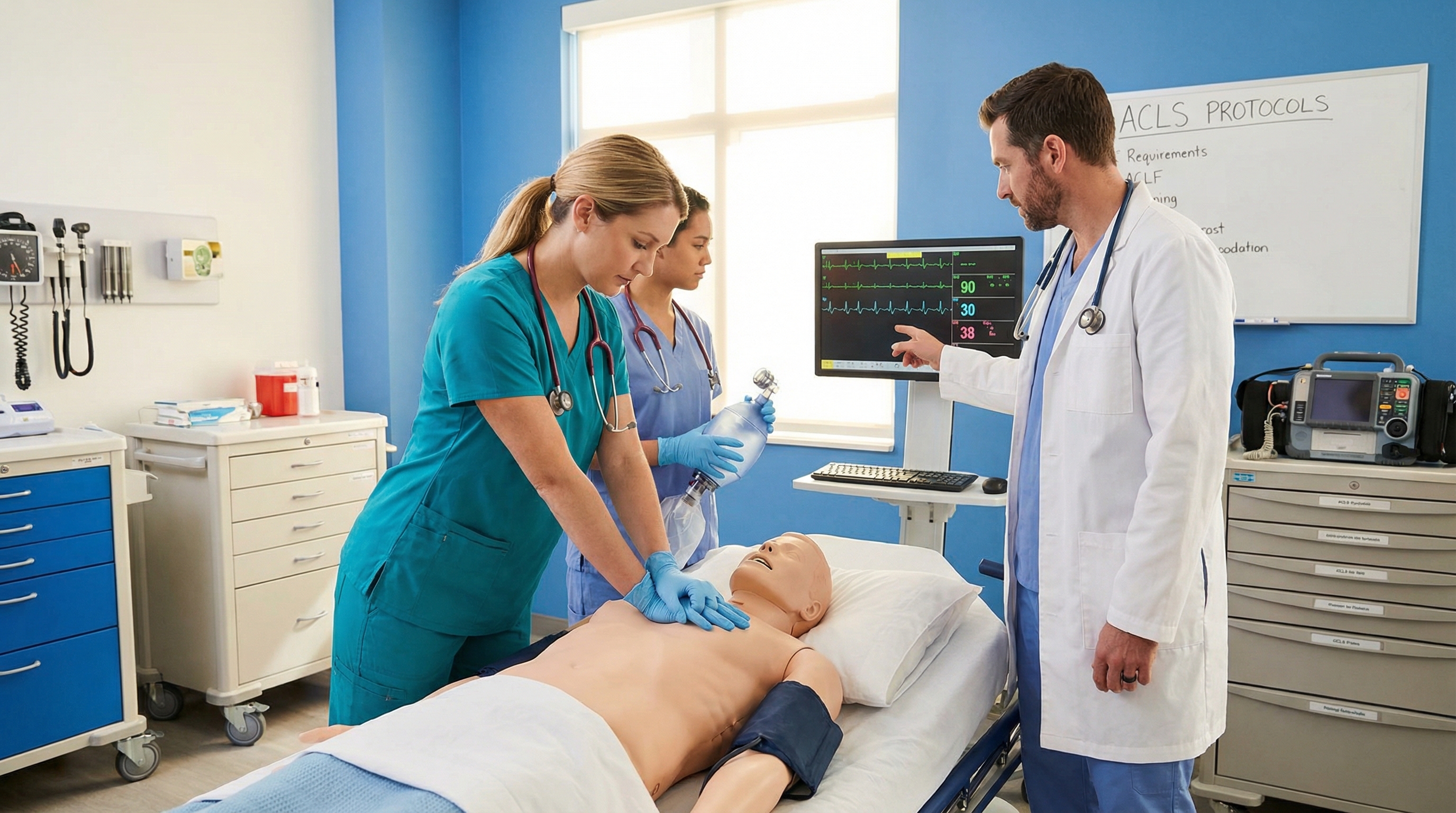
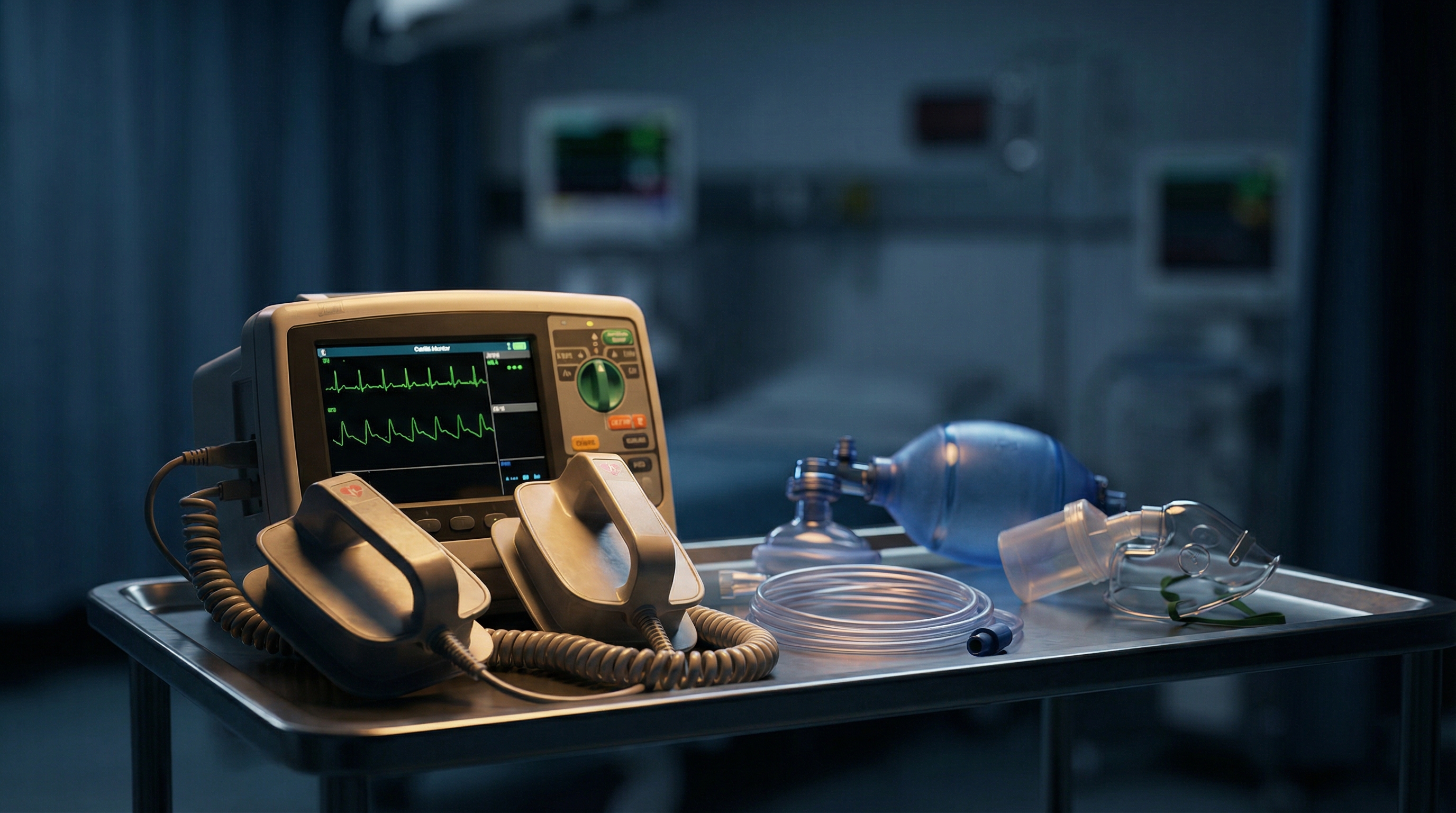
Respiratory therapists stand at the critical intersection of airway management and cardiovascular emergency response. When a patient experiences cardiac arrest, the first minutes determine survival outcomes, and respiratory therapists play an indispensable role in securing airways, managing ventilation, and supporting the resuscitation team. Yet many RT professionals question whether Advanced Cardiovascular Life Support (ACLS) certification is truly necessary for their practice, or simply another checkbox on an ever-growing list of professional requirements.
The reality is that ACLS certification represents far more than a credential for respiratory therapists. It provides the advanced clinical knowledge, algorithmic decision-making frameworks, and team-based communication skills that transform competent practitioners into confident emergency responders. As healthcare delivery evolves and respiratory therapists assume expanded roles in critical care, emergency departments, intensive care units, and rapid response teams, ACLS certification has shifted from optional enhancement to essential professional competency.
According to expert guidelines on ACLS for respiratory therapists, RT professionals are expected to be active members of resuscitation teams in many hospitals, where ACLS training empowers them with the knowledge to recognize life-threatening rhythms, understand medication rationales, and follow algorithm-based patient care approaches. This comprehensive guide explores why ACLS certification matters specifically for respiratory therapy professionals, what the certification entails, and how online certification options make advanced training accessible for busy clinicians.
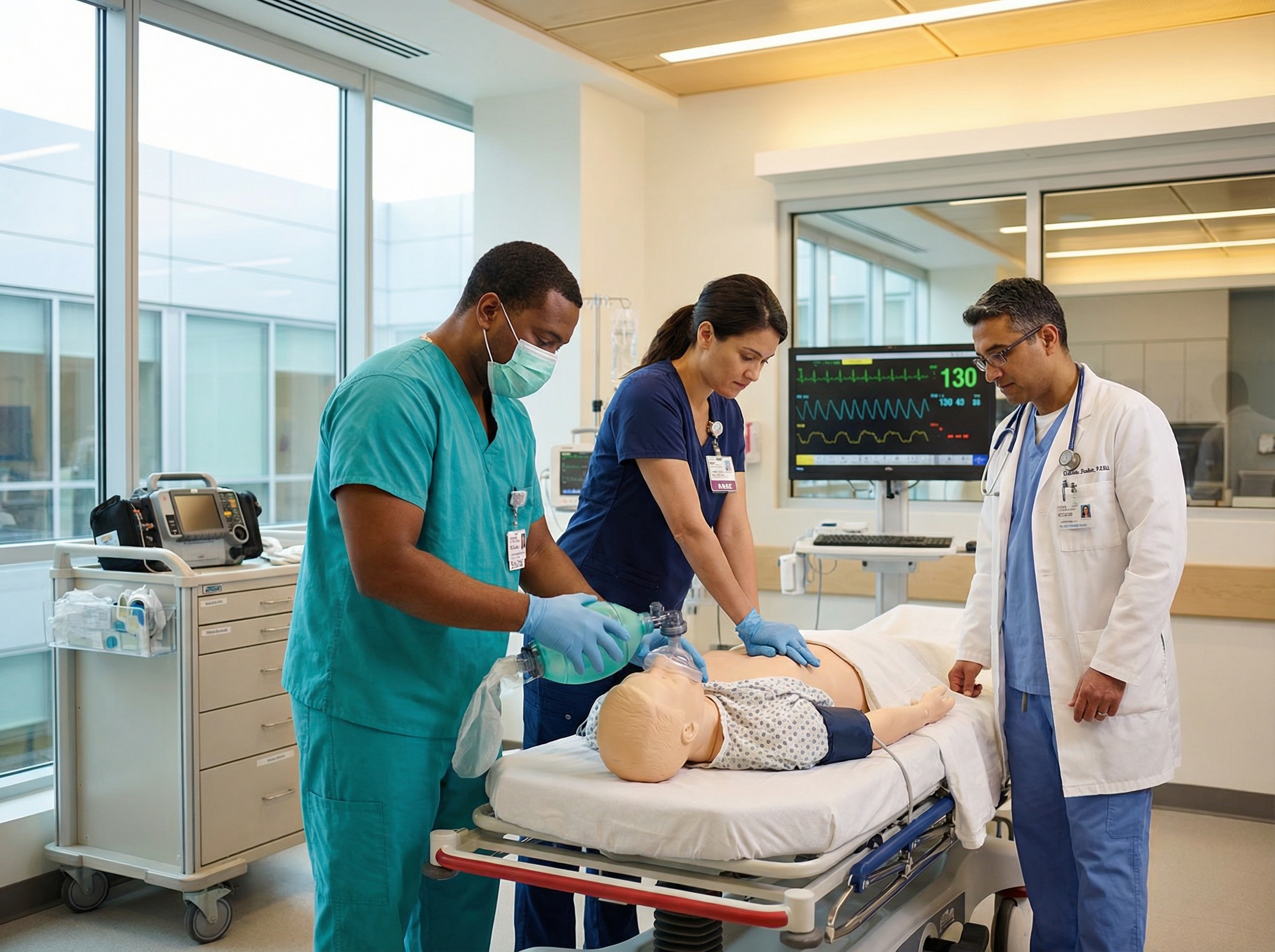
Traditionally, respiratory therapists focused primarily on pulmonary care, managing patients with asthma, chronic obstructive pulmonary disease, pneumonia, and other respiratory conditions. While airway management remained a core competency, the cardiovascular aspects of emergency response were often viewed as secondary to their primary respiratory focus. This limited perspective no longer reflects the reality of modern respiratory therapy practice.
Today's respiratory therapists function as integral members of multidisciplinary code teams, rapid response teams, and critical care units where cardiac and respiratory emergencies intersect constantly. When a patient arrests, the respiratory therapist typically assumes responsibility for airway management, bag-mask ventilation, endotracheal intubation, and ongoing ventilatory support throughout the resuscitation. These responsibilities require not just technical airway skills, but also deep understanding of how ventilation strategies integrate with cardiac rhythms, medication administration, and defibrillation protocols.
Research on best practices for resuscitation team training demonstrates that top-performing hospitals excelling in cardiac arrest survival share common elements: engagement, clear communication, consistency, and responsive leadership across multiple disciplines including respiratory therapy. The study emphasizes that respiratory therapists, along with nurses, physicians, and pharmacists, form the backbone of effective resuscitation teams when properly trained and integrated into emergency response protocols.
One of the most critical contributions respiratory therapists bring to cardiac emergencies is advanced airway expertise. During a code blue scenario, effective oxygenation and ventilation can mean the difference between neurologically intact survival and devastating brain injury. Respiratory therapists trained in ACLS understand not just how to intubate, but when to intubate, how ventilation rates affect hemodynamics during CPR, and how to troubleshoot ventilation problems in real-time during high-stress resuscitations.
Beyond airway management, ACLS-certified respiratory therapists contribute to cardiac rhythm interpretation, recognition of peri-arrest conditions, and understanding of the pharmacological interventions used during cardiovascular emergencies. This knowledge enables RT professionals to anticipate team needs, prepare necessary equipment proactively, and communicate effectively with physicians, nurses, and other team members using standardized ACLS terminology and algorithms. To understand the full scope of different life support certifications, many RT professionals benefit from reviewing comprehensive comparisons of ACLS, PALS, and BLS certifications.
ACLS certification requirements for respiratory therapists vary significantly by state, employer, and clinical setting. While some states explicitly require ACLS for licensure or continuing education, others leave the decision to individual healthcare facilities. Understanding these requirements helps RT professionals make informed decisions about their certification pathway and ensures compliance with both regulatory and employment standards.
According to state licensing board documentation, California's Respiratory Care Board approves 15 hours of continuing education for initial ACLS certification and 5 hours for recertification. Washington state recognizes ACLS for continuing education credit, while Massachusetts adopted standardized CEU allocations of 6.5 CEUs for ACLS certification. Florida allows ACLS certification to count for a maximum of 16 hours toward biennial requirements, with recertification counting for up to 8 hours. Texas recognizes ACLS among several advanced life support certifications acceptable for meeting continuing education requirements.
Many respiratory therapy educational programs now require ACLS certification for graduation, recognizing that entry-level practitioners need advanced cardiac life support competencies to function effectively in contemporary healthcare settings. Students completing Bachelor of Science in Respiratory Care programs increasingly find ACLS listed alongside BLS, PALS, and NRP as mandatory certifications for degree completion, reflecting the profession's evolution toward expanded scope of practice.
Beyond state and educational requirements, employer expectations drive much of the demand for ACLS certification among respiratory therapists. Hospitals, especially those with emergency departments, intensive care units, and cardiac catheterization laboratories, typically require or strongly prefer ACLS certification for RT positions. Many facilities include ACLS as a condition of employment, requiring new hires to obtain certification within the first 90 days if not already certified. Understanding what employers look for in ACLS certifications helps respiratory therapists meet these expectations effectively.
The National Board for Respiratory Care (NBRC) recognizes ACLS for continuing education credit toward credential maintenance. The NBRC accepts continuing education courses approved by state licensing boards, and when state boards don't specify requirements, the organization accepts courses from the American Association for Respiratory Care Continuing Respiratory Care Education Program. This recognition validates ACLS as valuable professional development for respiratory therapists at the national credentialing level.
Advanced Cardiovascular Life Support certification provides respiratory therapists with systematic, algorithm-based approaches to managing cardiovascular emergencies. While respiratory therapists already possess strong airway management skills, ACLS training expands their knowledge base to include cardiac rhythm interpretation, pharmacological interventions, electrical therapy, and team dynamics specific to cardiac arrest and peri-arrest situations.
The foundation of ACLS training centers on cardiac arrest algorithms for shockable rhythms (ventricular fibrillation and pulseless ventricular tachycardia) and non-shockable rhythms (asystole and pulseless electrical activity). Respiratory therapists learn to recognize these rhythms on monitors, understand the treatment sequences for each, and know how their airway management responsibilities integrate with defibrillation, medication administration, and high-quality CPR. The 2025 American Heart Association Guidelines provide evidence-based recommendations for cardiac arrest management, advanced airway management, drug therapies, and intravenous access protocols that form the basis of contemporary ACLS training.
Advanced airway management receives significant attention in ACLS courses, though from a cardiovascular emergency perspective rather than purely respiratory focus. Respiratory therapists learn evidence-based approaches to airway management during cardiac arrest, including when to prioritize bag-mask ventilation versus early intubation, how to confirm endotracheal tube placement using multiple methods, and how to manage ventilation to optimize outcomes during and after cardiac arrest. Many RT professionals find it valuable to review detailed resources on managing respiratory arrest to understand how respiratory emergencies intersect with cardiac complications.
ACLS pharmacology training equips respiratory therapists with knowledge of medications used during cardiovascular emergencies, including epinephrine, amiodarone, adenosine, atropine, and others. Understanding medication indications, dosages, routes of administration, and expected effects helps RT professionals anticipate equipment needs, communicate effectively with pharmacists and physicians, and understand the rationale behind treatment decisions during resuscitations.
Beyond cardiac arrest, ACLS covers management of bradycardia and tachycardia with pulses, acute coronary syndromes, and stroke recognition. These peri-arrest conditions frequently involve respiratory complications, making the knowledge particularly relevant for RT professionals. For example, understanding how acute pulmonary edema relates to acute coronary syndromes, or how stroke patients may develop airway compromise, directly impacts respiratory therapy practice.
Post-cardiac arrest care represents another crucial ACLS component. Respiratory therapists managing mechanically ventilated post-arrest patients need to understand targeted temperature management, ventilation strategies to avoid hyperoxia and hypocapnia, and hemodynamic goals during the critical post-resuscitation period. This knowledge directly influences ventilator management decisions and patient monitoring priorities in intensive care settings.
Perhaps most importantly, ACLS training emphasizes effective team dynamics during resuscitation. Respiratory therapists learn closed-loop communication techniques, role clarity, constructive intervention strategies, and how to function as both team members and team leaders when circumstances require. These soft skills prove as valuable as technical knowledge, enabling RT professionals to perform confidently during high-stress emergencies.
During a code blue in the intensive care unit, a respiratory therapist arrives to find nurses performing chest compressions on a patient who arrested suddenly. The cardiac monitor shows ventricular fibrillation. The respiratory therapist immediately prepares airway equipment, positions the bag-mask device, and begins providing ventilations coordinated with compressions while the team prepares the defibrillator. After the first shock, the RT recognizes that the rhythm has converted to asystole, understands this means no further shocks are indicated, and focuses on ensuring high-quality ventilations and preparing for possible endotracheal intubation. This scenario plays out daily in hospitals, and ACLS knowledge enables the respiratory therapist to function effectively as part of the coordinated response.
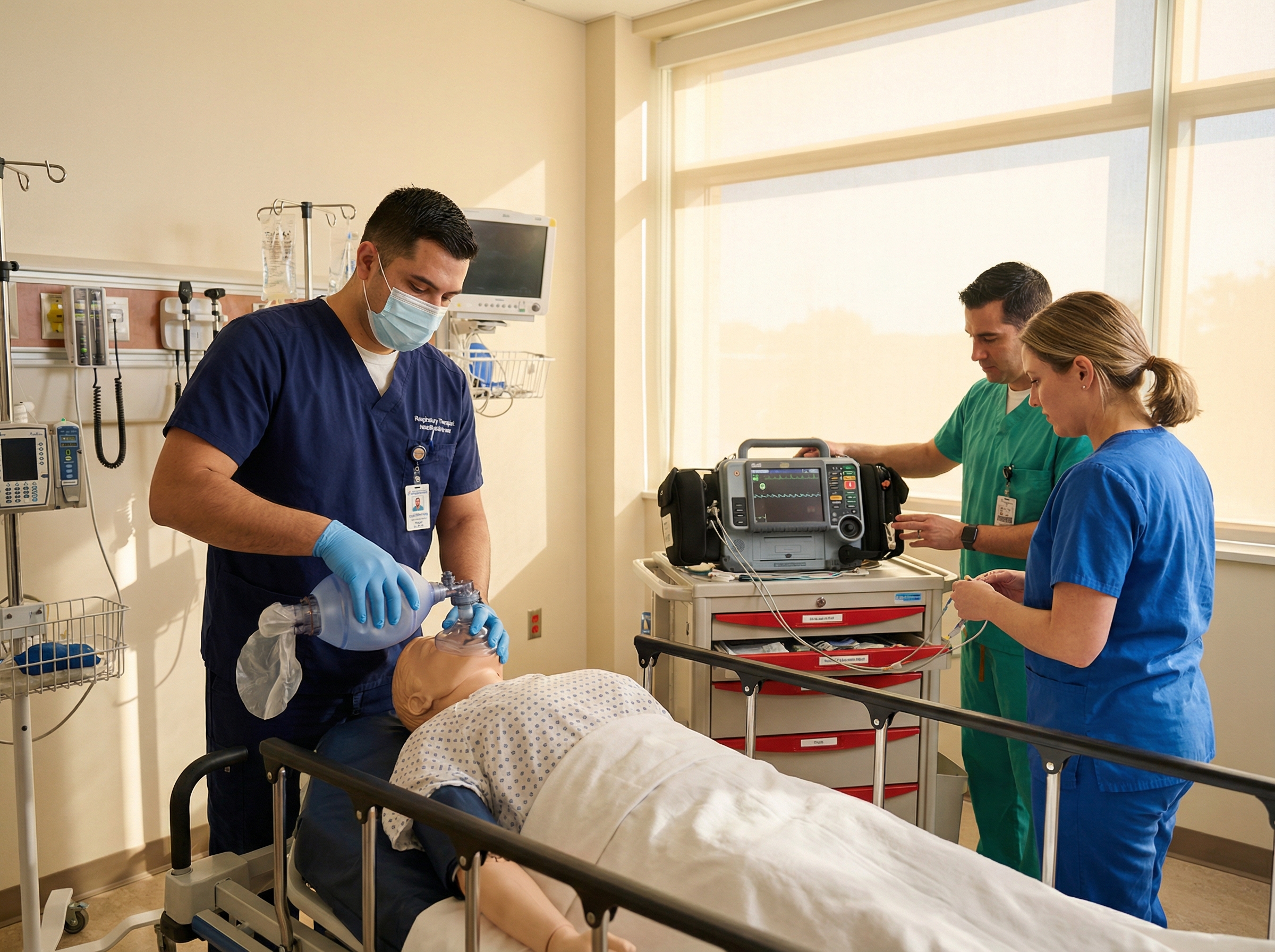
A rapid response team call brings a respiratory therapist to a medical floor where a patient is experiencing severe respiratory distress with oxygen saturation dropping despite supplemental oxygen. The RT quickly assesses the patient and recognizes signs of acute pulmonary edema. While preparing non-invasive ventilation equipment, the respiratory therapist notes the cardiac monitor showing a narrow-complex tachycardia at 180 beats per minute. Drawing on ACLS knowledge, the RT recognizes this as likely supraventricular tachycardia contributing to the pulmonary edema, alerts the physician, and anticipates the possible need for adenosine administration or synchronized cardioversion while simultaneously managing the respiratory emergency.
In the emergency department, a respiratory therapist is called to perform emergency intubation on a trauma patient with decreasing level of consciousness. After successful intubation and initial ventilator setup, the patient suddenly develops pulseless electrical activity on the monitor. The respiratory therapist, trained in ACLS, immediately recognizes this rhythm and understands the "H's and T's" reversible causes. Knowing that tension pneumothorax represents a common cause of PEA in trauma patients who have been recently intubated, the RT communicates this possibility to the team, assists with rapid assessment, and adjusts ventilator settings to minimize airway pressures while the physician performs needle decompression.
Following successful resuscitation of a cardiac arrest patient, the respiratory therapist assumes management of mechanical ventilation in the ICU. ACLS training informs multiple decision points: setting initial ventilator parameters to avoid hyperventilation that could reduce cerebral blood flow, adjusting FiO2 to target normoxia rather than excessive oxygen levels that may worsen neurological outcomes, and monitoring for changes in patient status that might indicate return of spontaneous circulation quality or development of complications. This post-arrest care, guided by ACLS principles, directly influences patient survival and neurological recovery.
A respiratory therapist working in a cardiac catheterization lab notices a patient developing progressive bradycardia with dropping blood pressure during a procedure. Recognizing this as hemodynamically unstable bradycardia from ACLS training, the RT prepares transcutaneous pacing equipment, draws up atropine, and ensures adequate oxygenation and ventilation support while the cardiology team addresses the underlying issue. The respiratory therapist's ACLS knowledge enables proactive preparation and effective communication during this time-sensitive emergency.
Respiratory therapists face unique scheduling challenges that make traditional in-person ACLS courses difficult to attend. Many RT professionals work rotating shifts, night shifts, weekends, and on-call schedules that conflict with the limited class times offered by traditional certification providers. Taking a full day away from work or personal commitments to sit in a classroom becomes a significant burden, especially for therapists working multiple jobs or managing family responsibilities alongside demanding clinical schedules.
Online ACLS certification through platforms like Affordable ACLS addresses these challenges by offering completely self-paced learning with no time limits or expiration dates. Respiratory therapists can complete coursework during breaks between shifts, late at night after family obligations, or over multiple sessions that fit their individual schedules. For busy RT professionals, learning more about the specific benefits of online ACLS certification demonstrates how flexible options support career development without sacrificing quality.
Cost represents another significant factor for respiratory therapists considering ACLS certification. Traditional in-person courses often charge $200-$400 for initial certification, with recertification courses still costing $150-$250. For therapists maintaining multiple certifications (BLS, ACLS, PALS, and sometimes NRP), these costs accumulate quickly. Online certification platforms offer ACLS at substantially lower prices, with Affordable ACLS providing certification for $99 and recertification for $89, representing savings of 50-75% compared to traditional alternatives.
Many respiratory therapists learn more effectively through self-directed study than passive lecture attendance. Online ACLS courses allow learners to review difficult concepts multiple times, pause to look up additional information, and spend more time on personally challenging topics while moving quickly through familiar material. This personalized learning approach often results in better knowledge retention and deeper understanding compared to one-size-fits-all classroom instruction where the pace is determined by the group rather than the individual.
Online platforms provide immediate certification upon course completion, eliminating the wait for certification cards to arrive by mail. Respiratory therapists facing employment deadlines, credentialing requirements, or unexpected job opportunities can complete certification and download their certificate the same day, solving urgent professional needs that traditional courses cannot address. The immediate availability of digital certificates also simplifies verification processes for employers and licensing boards.
The unlimited retake policy offered by quality online providers removes test anxiety and ensures mastery of content. Respiratory therapists can retake exams at no additional charge until they pass, allowing them to learn from mistakes and reinforce knowledge without financial penalty. This approach promotes actual competency rather than merely passing a test, benefiting both the individual therapist and their future patients.
Affordable ACLS distinguishes itself by offering courses developed by actively practicing, Board Certified Emergency Medicine physicians with over 20 years of combined clinical and academic experience. Unlike generic online courses created by instructional designers without clinical backgrounds, these physician-developed programs ensure clinical accuracy, real-world relevance, and alignment with current American Heart Association and International Liaison Committee on Resuscitation guidelines. For respiratory therapists who value clinical credibility, this physician-led approach provides confidence that the content reflects actual emergency medicine practice.
Before beginning ACLS certification, respiratory therapists should ensure they have current BLS certification, as basic life support forms the foundation for advanced training. Most ACLS courses, whether online or in-person, require proof of BLS certification or concurrent BLS enrollment. Respiratory therapists without current BLS should consider bundling both certifications together, which often provides cost savings and ensures all foundational knowledge is current.
ACLS courses typically cover systematic approach to assessment, cardiac arrest algorithms, bradycardia and tachycardia management, acute coronary syndromes, stroke recognition, and post-cardiac arrest care. Online courses present this content through video demonstrations, interactive modules, case scenarios, and knowledge checks that reinforce learning throughout the program. Most respiratory therapists complete online ACLS certification in 1-2 hours, though the self-paced format allows taking longer if needed to ensure thorough understanding.
The certification examination tests knowledge of ACLS algorithms, medication indications and dosages, rhythm recognition, and appropriate interventions for various cardiovascular emergencies. Questions typically use scenario-based formats that require applying ACLS principles to realistic clinical situations. Respiratory therapists often find the airway management and ventilation questions particularly straightforward given their clinical background, while medication and rhythm interpretation questions may require more focused study.
Traditional in-person ACLS courses include hands-on skills stations where participants practice on mannequins and demonstrate competency in skills like bag-mask ventilation, chest compressions, defibrillator use, and team dynamics. Online ACLS courses focus on cognitive knowledge, with the understanding that healthcare professionals like respiratory therapists already perform these skills in their daily clinical practice. Employers seeking hands-on skills verification may require separate skills testing, though many accept online cognitive certification combined with documented clinical competency.
ACLS certification remains valid for two years from the date of completion, after which recertification is required to maintain current status. Respiratory therapists should track their expiration dates carefully and plan for recertification several months in advance to avoid lapses that could affect employment or credentialing. Many online platforms offer certification reminders to help busy professionals stay ahead of renewal deadlines. Learning about the simple steps to get ACLS certification online helps respiratory therapists navigate the process efficiently.
One of the most frequent questions respiratory therapists ask about online ACLS certification concerns employer acceptance. Will my hospital or healthcare facility accept an online certification, or do they require traditional in-person courses? The reality is that most employers accept online ACLS certification that is based on current AHA/ILCOR guidelines, covers all required content areas, and provides verifiable completion documentation. Affordable ACLS backs this up with a money-back guarantee: if an employer does not accept the certification, the company provides a full refund. This guarantee demonstrates confidence in employer acceptance and removes the risk for respiratory therapists considering online certification.
Some respiratory therapists worry that online courses cannot provide the same quality education as in-person instruction. However, research on educational outcomes shows that well-designed online learning can be equally or more effective than traditional classroom instruction, particularly for motivated adult learners with clinical backgrounds. The key factors are content quality, alignment with current guidelines, and opportunity for knowledge assessment. Online ACLS courses developed by practicing emergency physicians and based on current AHA/ILCOR guidelines meet these quality standards while offering flexibility advantages that traditional courses cannot match.
The absence of hands-on skills practice in online ACLS courses concerns some respiratory therapists who value the mannequin practice sessions of traditional courses. However, respiratory therapists already perform airway management, bag-mask ventilation, intubation, and other resuscitation skills routinely in their clinical practice. The cognitive knowledge provided by ACLS certification complements these existing skills, helping RT professionals understand when and why to apply specific techniques during cardiovascular emergencies. For therapists seeking hands-on practice, hospital-based simulation training and continuing education programs provide opportunities to practice full code scenarios in realistic environments.
Questions about the credibility and professional standing of online certification occasionally arise. Respiratory therapists should know that online ACLS certification has become increasingly mainstream and accepted across healthcare. The COVID-19 pandemic accelerated adoption of online certification options as traditional in-person classes became unavailable or unsafe. Many state licensing boards, national credentialing organizations, and healthcare employers now explicitly recognize online certification as equivalent to traditional classroom courses, provided the content meets established guidelines and standards.
ACLS certification should be viewed not as a final destination, but as a baseline competency that respiratory therapists build upon throughout their careers. The initial certification provides foundational knowledge of cardiovascular emergencies and systematic approaches to management. Ongoing professional development expands this foundation through additional certifications, specialized training, simulation exercises, and real-world clinical experience.
Many respiratory therapists pursue PALS (Pediatric Advanced Life Support) certification alongside ACLS to cover both adult and pediatric emergency response. RT professionals working in hospitals with pediatric units, neonatal intensive care units, or emergency departments that treat children across the age spectrum benefit significantly from understanding pediatric-specific resuscitation algorithms and dosing. Bundle certification packages make obtaining both ACLS and PALS more affordable, with Affordable ACLS offering combined pricing that saves money compared to purchasing separately.
Beyond ACLS and PALS, respiratory therapists may pursue specialized certifications relevant to their practice settings. NRP (Neonatal Resuscitation Program) certification is essential for RT professionals in labor and delivery or neonatal intensive care. Some therapists obtain certifications in trauma care, critical care, or pulmonary function testing. Each additional certification demonstrates professional commitment and expands the knowledge base that informs clinical practice.
Participation in hospital-based simulation training provides valuable opportunities to practice ACLS scenarios in realistic environments without risk to actual patients. Many progressive healthcare facilities conduct regular code blue simulations, rapid response drills, and multidisciplinary training exercises that allow respiratory therapists to refine their emergency response skills, practice team communication, and identify areas for improvement. These simulation experiences reinforce ACLS knowledge and build confidence for real emergencies.
Staying current with resuscitation science requires ongoing engagement with professional literature and guideline updates. The American Heart Association updates its guidelines periodically based on new evidence, and respiratory therapists should review these changes to ensure their practice reflects current best evidence. Professional organizations like the American Association for Respiratory Care provide resources, publications, and continuing education opportunities that help RT professionals maintain expertise in both respiratory and cardiovascular emergency care.
ACLS certification expands employment opportunities for respiratory therapists by meeting requirements for positions in emergency departments, intensive care units, cardiac catheterization laboratories, and other settings where advanced life support capabilities are essential. Many desirable RT positions list ACLS as required or strongly preferred qualifications, and holding the certification demonstrates readiness to contribute immediately to emergency response teams without requiring additional training time.
Specialized respiratory therapy roles often require or expect ACLS certification as baseline preparation. RT positions in cardiac care, critical care transport, flight medicine, and emergency response teams typically require multiple advanced certifications including ACLS. Therapists aspiring to these specialized roles benefit from obtaining ACLS early in their careers, positioning themselves for advancement opportunities as they arise.
Leadership positions in respiratory therapy departments increasingly expect ACLS certification among other advanced qualifications. RT supervisors, managers, clinical specialists, and educators need to model professional development and maintain expertise across the scope of respiratory practice, including cardiovascular emergency response. ACLS certification demonstrates commitment to comprehensive clinical competency that extends beyond narrow technical skills to encompass broader patient care.
Professional credibility among multidisciplinary colleagues improves when respiratory therapists demonstrate ACLS knowledge during emergency responses. Physicians, nurses, pharmacists, and other team members develop greater confidence in RT colleagues who communicate using standardized ACLS terminology, understand the rationale behind treatment decisions, and anticipate next steps in resuscitation algorithms. This credibility translates to better team dynamics, more effective collaboration, and enhanced professional standing within healthcare institutions.
Ultimately, ACLS certification advances respiratory therapy careers by improving patient outcomes, which represents the fundamental purpose of all healthcare professional development. Respiratory therapists who understand cardiovascular emergency management make better clinical decisions, respond more effectively during crises, and contribute more meaningfully to resuscitation team success. These improved outcomes create professional satisfaction and demonstrate the value respiratory therapists bring to patient care.
The scope of respiratory therapy practice continues to expand, with RT professionals assuming responsibilities previously limited to physicians or other practitioners. Some states now grant respiratory therapists authority to order diagnostic tests, adjust medications within established protocols, and make independent clinical decisions regarding respiratory interventions. This scope expansion necessarily includes cardiovascular knowledge, as respiratory and cardiac systems function interdependently and must be managed holistically.
Healthcare delivery is moving toward more integrated, team-based models where professional boundaries blur in favor of collaborative practice focused on patient outcomes. Respiratory therapists with ACLS certification are better positioned to participate in this integrated care model, contributing beyond traditional respiratory boundaries to comprehensive emergency and critical care. The future likely involves even greater RT involvement in cardiovascular assessment, intervention, and management.
Some respiratory therapy experts advocate for development of a pulmonary-focused ACLS pathway that emphasizes the respiratory aspects of cardiovascular emergencies while maintaining comprehensive coverage of cardiac arrest management. According to respiratory therapy professionals, the current 500-page ACLS manual dedicates only one chapter to airways, oxygenation, and ventilation, despite these being central to resuscitation success. A specialized pathway could better address the real-world needs of respiratory therapists without diminishing the importance of comprehensive cardiovascular knowledge. Whether such a pathway develops or not, ACLS certification will remain essential for respiratory therapy practice.
Advances in technology continue to expand the tools available to respiratory therapists during cardiac emergencies. High-flow nasal cannula, mechanical CPR devices, extracorporeal membrane oxygenation (ECMO), and advanced monitoring systems all require sophisticated understanding of both respiratory and cardiovascular physiology. ACLS training provides the foundational knowledge that enables RT professionals to use these technologies effectively during life-threatening situations.
Resuscitation science continues to evolve as new research refines our understanding of what works best during cardiac arrest and emergency care. Respiratory therapists with ACLS certification are better prepared to evaluate new evidence, understand guideline changes, and adapt their practice based on emerging best practices. Staying current with resuscitation science represents an ongoing professional responsibility that ACLS certification helps fulfill.
ACLS certification represents essential professional development for respiratory therapists working in acute care settings where cardiovascular emergencies occur. The training provides systematic approaches to cardiac arrest management, peri-arrest condition recognition, advanced airway management in cardiovascular context, pharmacological knowledge, and team dynamics skills that transform competent respiratory therapists into confident emergency responders.
The benefits of ACLS certification extend across multiple dimensions: meeting state and employer requirements, expanding employment opportunities, improving patient outcomes, enhancing professional credibility, and supporting career advancement. For respiratory therapists committed to comprehensive clinical competency and patient-centered care, ACLS certification is not optional enhancement but fundamental preparation for contemporary practice.
Online ACLS certification through platforms like Affordable ACLS makes advanced training accessible to busy respiratory therapists facing scheduling constraints and budget limitations. With self-paced learning, immediate certification, unlimited retakes, physician-developed content, and costs 50-75% lower than traditional courses, online certification removes the barriers that previously prevented many RT professionals from obtaining this valuable credential.
Respiratory therapists considering ACLS certification should take action now rather than waiting for employer mandates or emergency situations that reveal knowledge gaps. The combination of clinical necessity, professional expectations, and accessible online options makes this the ideal time to pursue certification. Whether seeking initial certification or recertification after a lapse, respiratory therapists can complete the process in just a few hours and immediately apply the knowledge in their clinical practice.
Ultimately, ACLS certification demonstrates professional commitment to comprehensive patient care that extends beyond narrow technical skills to encompass the full scope of emergency response. Respiratory therapists who invest in this training position themselves as valuable members of multidisciplinary care teams, ready to respond effectively when patients experience life-threatening cardiovascular emergencies. This readiness saves lives, improves outcomes, and fulfills the fundamental mission of all healthcare professionals: to provide the highest quality care when patients need it most.
The intersection of respiratory and cardiovascular emergency care will only grow more integrated as healthcare evolves. Respiratory therapists with ACLS certification are not just meeting current requirements—they are preparing for the future of their profession, where comprehensive emergency competency defines excellent practice. By combining respiratory expertise with advanced cardiovascular knowledge, RT professionals create the complete skill set needed to excel in modern acute care environments and make meaningful differences in patient lives every day.
.jpg)