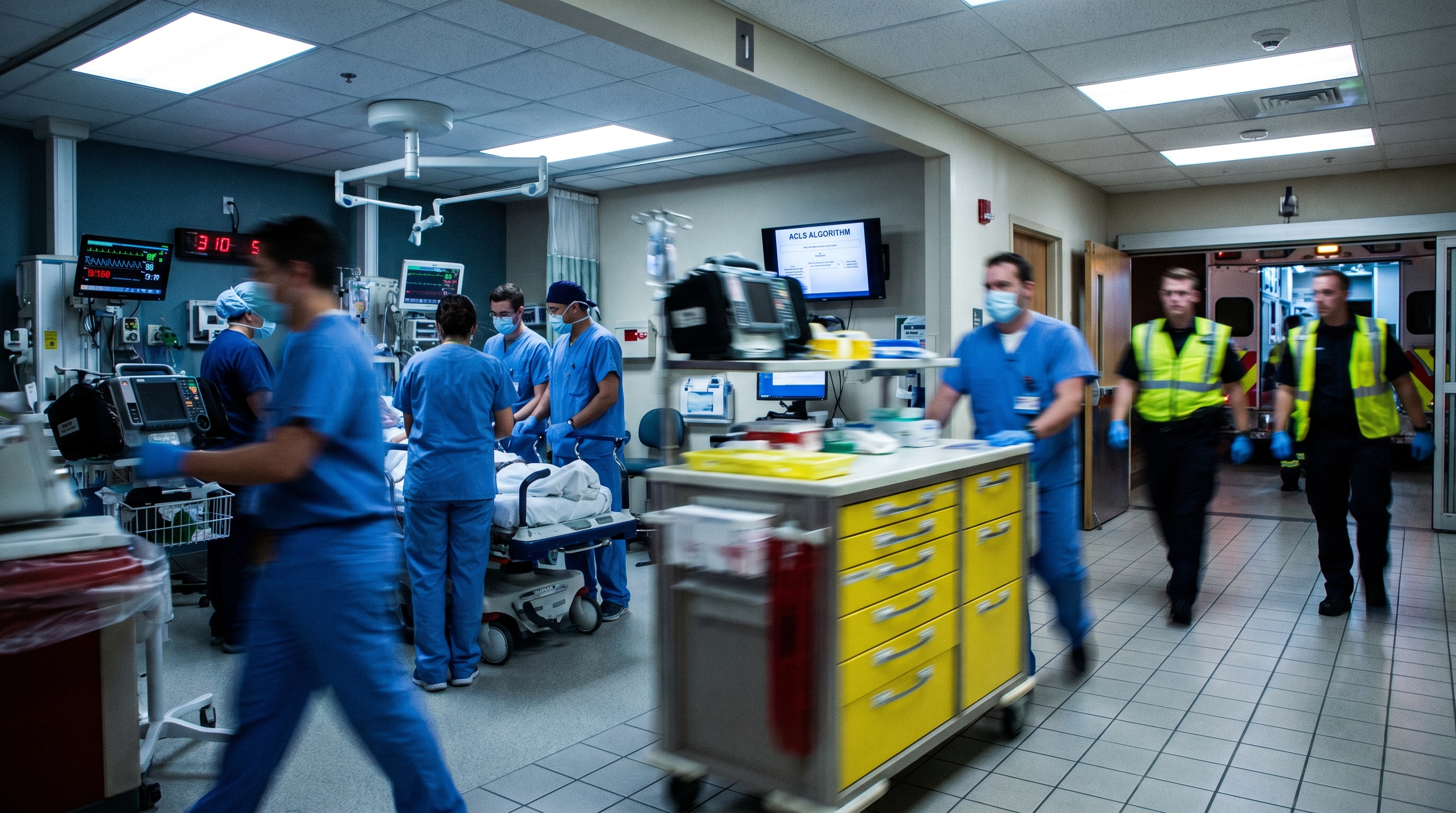
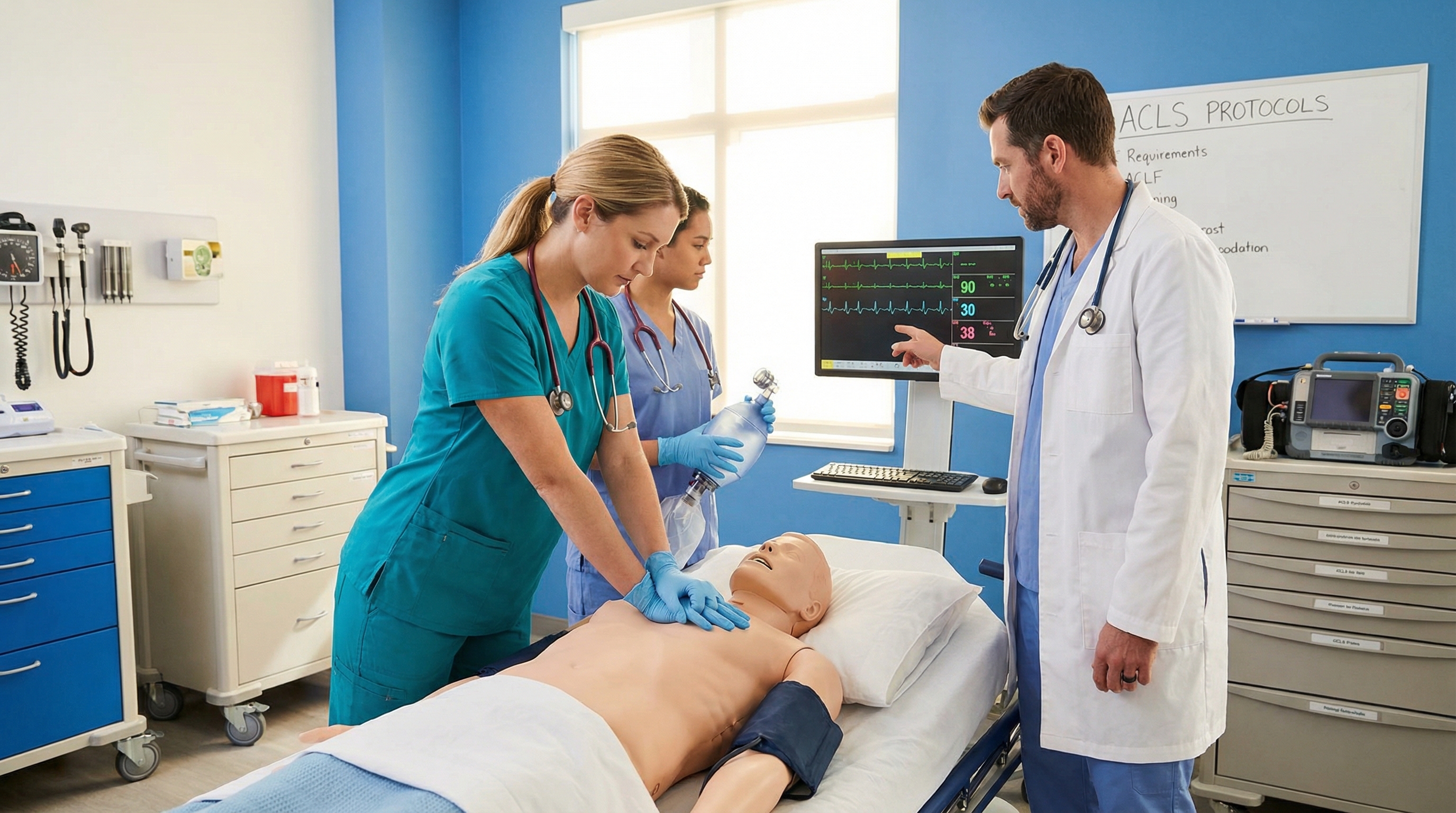
Few decisions during a code blue carry more weight than advanced airway management. When a patient is in cardiac arrest, every second of interrupted chest compressions costs perfusion pressure, and every failed intubation attempt erodes the team's momentum. As practicing emergency medicine physicians, we have stood at that bedside more times than we can count — laryngoscope in hand, weighing the familiar comfort of an endotracheal tube against the increasingly compelling evidence for supraglottic airway devices.
The landscape of supraglottic airway (SGA) management in ACLS has shifted meaningfully over the past decade. Devices like the i-gel and classic laryngeal mask airway (LMA) are no longer considered fallback options for providers who cannot intubate. Current evidence and updated guidelines position them as legitimate first-line tools in a broad range of clinical scenarios. This article breaks down when to reach for an SGA, how the i-gel and LMA differ from each other, and how to make this call confidently within current ACLS frameworks.
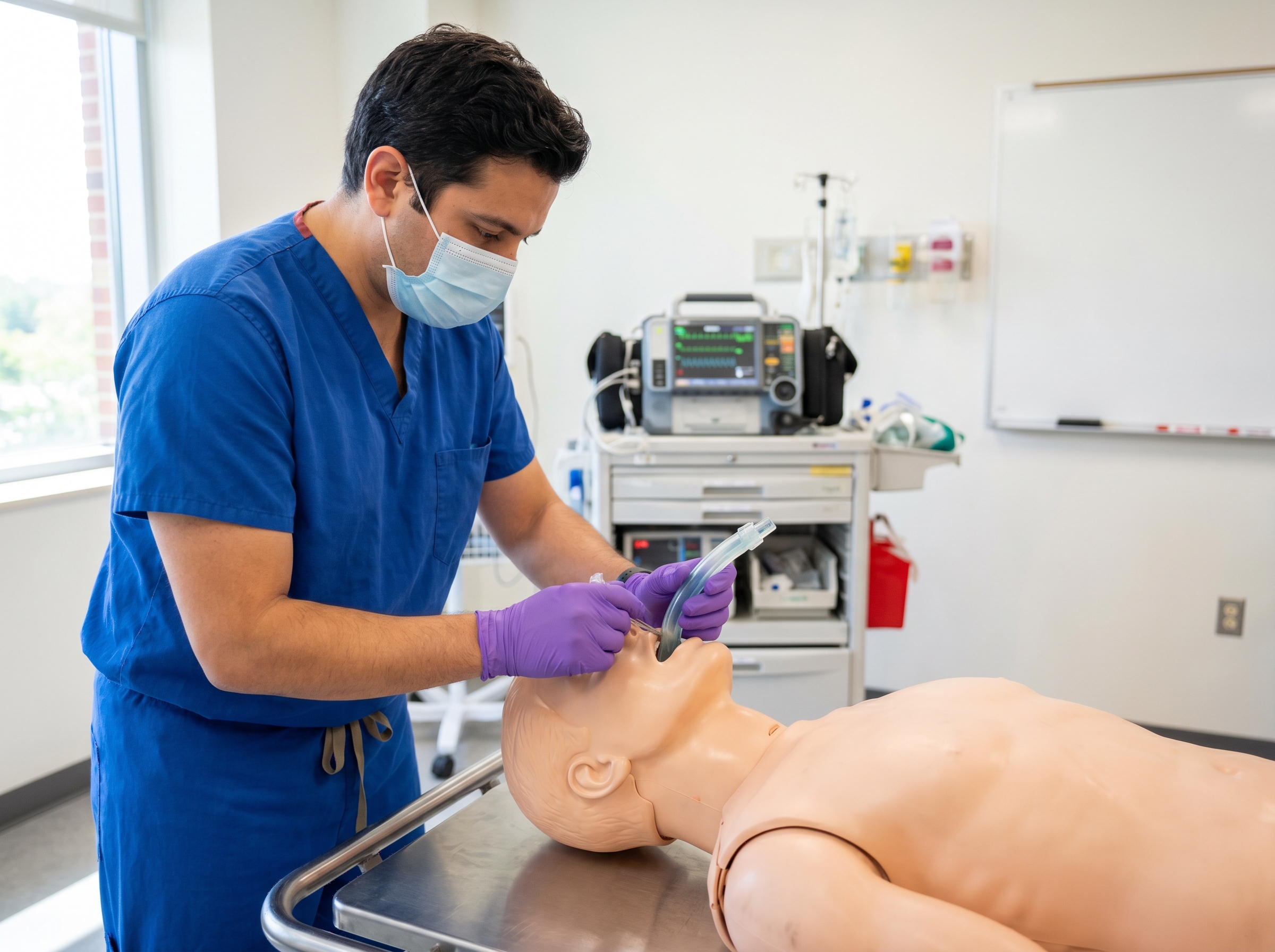
Supraglottic airways are airway adjuncts inserted into the posterior pharynx that create a seal around the laryngeal inlet without passing through the vocal cords. Unlike endotracheal tubes (ETTs), SGAs sit above the glottis — hence the name. This anatomical distinction has profound implications for insertion speed, skill requirements, and CPR quality.
There are two broad generations of SGAs clinicians encounter in resuscitation contexts:
The defining advantages across both generations — compared to endotracheal intubation — are speed of placement, minimal CPR interruption, and a lower proficiency threshold. Understanding these advantages in the context of a real resuscitation is central to making the right airway choice.
The i-gel has become the go-to SGA in many prehospital and emergency systems, and for good reason. Its non-inflatable, gel-like cuff conforms anatomically to the perilaryngeal structures without requiring cuff inflation — eliminating a potential failure point and simplifying the insertion process. There is no need to check cuff pressure or worry about over-inflation artifacts that can impair ventilation.
Key clinical characteristics of the i-gel include:
The landmark AIRWAYS-2 trial — a multi-center randomized controlled trial involving 9,296 out-of-hospital cardiac arrest patients — found that the i-gel was non-inferior to endotracheal intubation for favorable neurological outcomes at 30 days, with comparable safety profiles. This large-scale evidence base has contributed to the i-gel's prominence in current European Resuscitation Council (ERC) 2025 guidelines, which explicitly prefer the i-gel over laryngeal tubes when an SGA is chosen.
The laryngeal mask airway has been in clinical use since the 1980s and remains one of the most studied airway devices in medicine. Its familiarity across clinical settings — from operating rooms to intensive care units to emergency departments — gives it a special place in the ACLS provider's toolkit.
Classic LMA variants use an inflatable cuff that sits around the laryngeal inlet. They are effective for ventilation and are considerably easier to insert than an endotracheal tube, though they provide less protection against aspiration than second-generation devices. The LMA Supreme and ProSeal LMAs have addressed many of these limitations with improved seal pressures and gastric access ports, making them more suitable for resuscitation scenarios.
From a CPR standpoint, the LMA's greatest advantage mirrors that of all SGAs: it does not require laryngoscopy, does not mandate a view of the vocal cords, and can be inserted during ongoing chest compressions with minimal interruption. Mastering bag-mask ventilation remains essential when SGA placement is delayed or fails, but in hands-on resuscitation, the LMA offers a meaningful upgrade over BVM alone — particularly when only one rescuer is available to manage the airway.
The classic LMA is most appropriate in resource-limited settings where only first-generation devices are available, or for providers who have received specific training on it. Where second-generation devices are available, however, the i-gel and LMA Supreme are generally preferred due to their enhanced aspiration protection.
For decades, endotracheal intubation was considered the gold standard for airway management in cardiac arrest. The rationale was sound: a cuffed tube in the trachea provides the most secure airway, isolates the lungs from aspiration, enables suctioning of secretions, and allows delivery of reliable tidal volumes. Our guide to endotracheal intubation via direct laryngoscopy covers the procedural technique in detail — and it remains a skill every advanced provider must command.
The problem is that ETI carries significant tradeoffs in the resuscitation context that are easy to underestimate:
These tradeoffs have driven a major shift in guideline recommendations. The 2025 American Heart Association Guidelines for CPR and Emergency Cardiovascular Care acknowledge that for out-of-hospital cardiac arrest, either ETI or SGA placement is acceptable as an advanced airway — with SGA explicitly recommended in settings where tracheal intubation success rates are low. In-hospital, when experienced providers are available, ETI remains a strong option, but the guidelines make clear it should only be attempted by providers with a high success rate, defined as greater than 95% success within two attempts.
When ETI is selected, continuous waveform capnography is mandatory for confirmation and ongoing monitoring. The ongoing management of intubated patients — including endotracheal aspiration and secretion clearance — becomes an active responsibility once the tube is placed. ETI is not a set-and-forget intervention.
Based on current evidence and our clinical experience, here are the situations where reaching for an i-gel or LMA is the right call:
If you are working in a setting where intubation proficiency cannot be guaranteed — a busy emergency department during a multi-patient event, a prehospital environment, or a facility where providers rarely intubate — an SGA is the safer choice. The 2019 AHA Focused Update on Advanced Cardiovascular Life Support explicitly addressed this, recommending SGA as a reasonable alternative when intubation proficiency cannot be assured. Protecting CPR quality by avoiding failed ETI attempts is a clinical priority, not a fallback.
Chest compression fraction — the proportion of time during resuscitation when compressions are being delivered — should exceed 60% in high-quality CPR, and ideally approach 80%. Every intubation attempt that pauses compressions erodes this fraction. SGAs, when inserted without interrupting compressions or with only a brief pause, preserve CPR quality in ways that failed or prolonged intubation attempts cannot. Our overview of the adult cardiac arrest algorithm emphasizes minimizing hands-off time as a core principle — airway strategy must serve that goal, not undermine it.
When direct laryngoscopy fails — poor view, soiled airway, anatomical difficulty — the immediate pivot to an SGA can be lifesaving. The principles of mastering endotracheal intubation include knowing when not to persist with the attempt. A second failed laryngoscopy attempt significantly increases the risk of hypoxic injury. Deploying an i-gel or LMA to secure oxygenation while assessing options is well within established difficult airway management frameworks.
In the early minutes of cardiac arrest, prioritizing uninterrupted compressions and defibrillation over definitive airway management is supported by the evidence. Basic airway maneuvers — bag-mask ventilation — are sufficient for the first two minutes of a resuscitation cycle. When the decision is made to advance to a definitive airway, an SGA can be deployed in under 15 seconds, whereas ETI even in practiced hands typically requires 30 to 60 seconds including preparation. For rapid deployment, the i-gel's non-inflatable cuff also eliminates the need to locate and prepare a syringe.
In prehospital settings, remote locations, or temporary understaffing situations, an SGA allows a single provider to manage the airway without needing a dedicated intubation assistant. This supports better team coordination overall. For providers building toward advanced airway proficiency, understanding the SGA's role builds a bridge toward full ACLS competency. The EMT-to-paramedic ACLS certification pathway illustrates how advanced airway skills are developed progressively across scope levels.
When choosing between an i-gel and an LMA, the practical differences come down to device availability, provider familiarity, and specific clinical features.
Advocating for SGAs does not mean abandoning endotracheal intubation. There are specific clinical circumstances where ETI remains the superior choice:
The bottom line is not that ETI is outdated — it is that ETI must be used by the right provider at the right time. Forcing an intubation attempt when conditions are not optimal is precisely where the evidence clearly points toward SGA as the better choice.
The SGA vs. ETI debate is most acute in cardiac arrest, but the principles extend to respiratory arrest and critically deteriorating patients as well. When managing respiratory arrest, provider proficiency and clinical context similarly guide the airway choice. A patient with respiratory failure from opioid overdose in a community ED may be better served by rapid SGA placement and naloxone administration than a prolonged intubation attempt. A post-operative patient in the ICU with aspiration pneumonia may require immediate ETI to manage secretions adequately.
Advanced airway management is ultimately a clinical judgment call informed by the evidence, the patient, the environment, and the team's capabilities. ACLS training builds the cognitive framework to make that call quickly and correctly — which is why staying current on guideline updates and understanding the evolving evidence base for both SGAs and ETI is a professional obligation, not an optional enrichment activity.
Knowing the clinical indications for an SGA is only half of the equation. Here are the practical considerations that make the difference in real-world resuscitations:
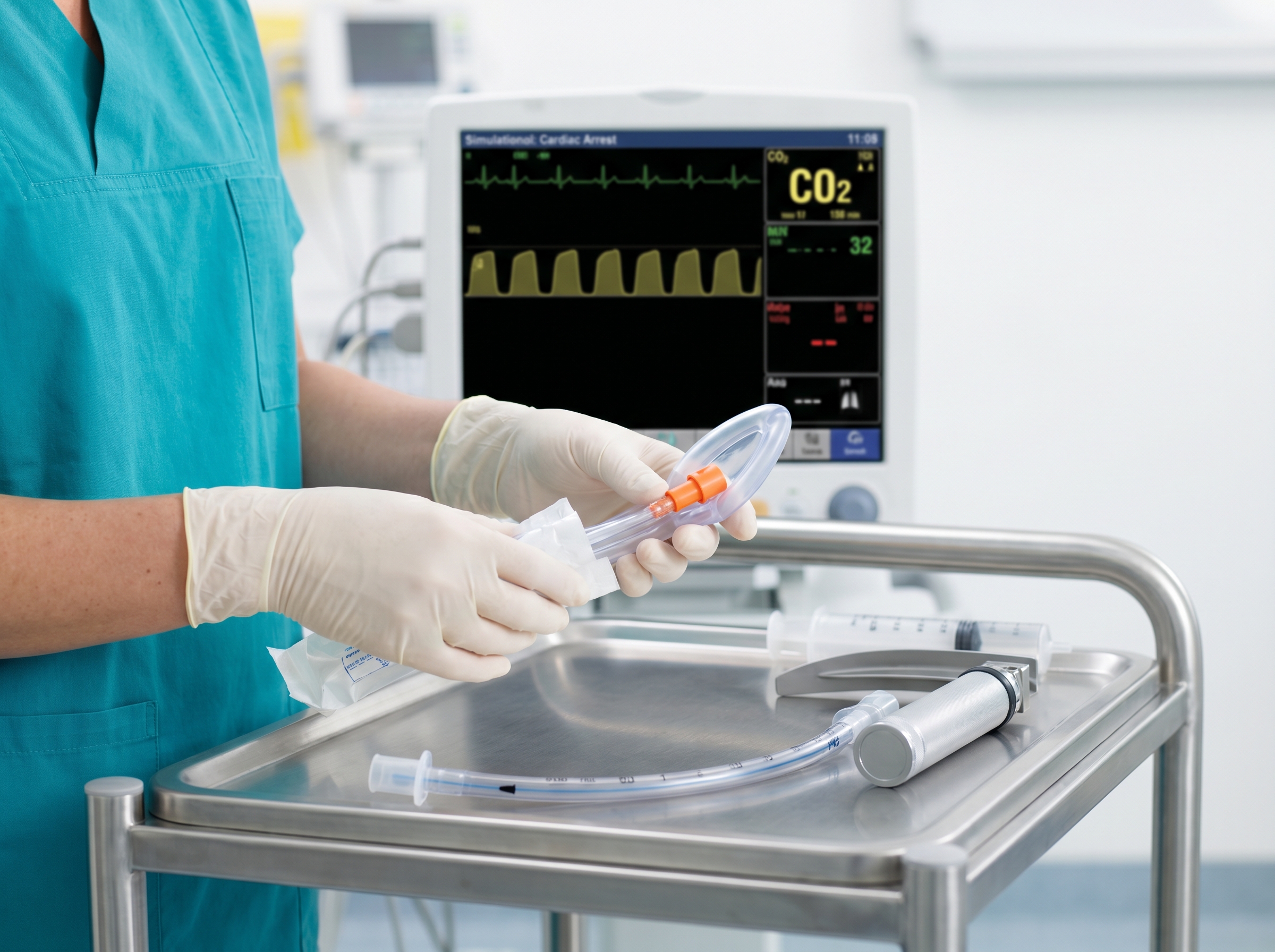
The trajectory of evidence strongly suggests that SGAs — particularly second-generation devices like the i-gel — will continue to gain prominence in ACLS protocols. The large-scale trials demonstrating non-inferiority to ETI have shifted the burden of proof: it is no longer sufficient to simply assert that ETI is the gold standard without demonstrating that the individual provider and system can achieve high first-pass success rates without significantly impairing CPR quality.
Emerging research is also examining whether the type of out-of-hospital cardiac arrest — shockable versus non-shockable rhythms, witnessed versus unwitnessed, cardiac versus asphyxial etiology — modifies the optimal airway strategy. Early data suggest that asphyxial cardiac arrests, such as those from drowning or opioid overdose, may benefit more from early definitive airway management than purely cardiac etiologies where defibrillation is the primary priority. This nuance will likely be reflected in future ILCOR and AHA guideline updates.
A recent large meta-analysis examining data from over 196,000 cardiac arrest patients further reinforces the case for SGA devices as a primary strategy in out-of-hospital settings. The weight of evidence now clearly supports a competency-based, context-driven approach to airway selection — one where the best tool is the one placed correctly and quickly, regardless of whether it is supraglottic or endotracheal.
The evidence base for advanced airway management continues to evolve rapidly. What was taught as standard practice five years ago — prioritizing early intubation in all cardiac arrests — has been substantially refined by large randomized trials and systematic reviews. Providers who completed their ACLS certification several years ago may not have received formal instruction on the updated SGA recommendations, the i-gel's role in current guidelines, or the nuanced decision-making framework outlined in this article.
This is exactly why keeping your ACLS certification current matters beyond checking a compliance box. At Affordable ACLS, our curriculum is developed and reviewed by Board Certified Emergency Medicine physicians who integrate the latest AHA and ILCOR guideline updates — including updated guidance on advanced airway management — directly into the course content. Our online, self-paced format means you can complete your certification or renewal on your own schedule, without the logistical burden of in-person scheduling.
Whether you are certifying for the first time or renewing credentials that are approaching expiration, our ACLS course covers airway management, cardiac arrest algorithms, rhythm recognition, pharmacology, and post-ROSC care — all for $109 (renewal: $99). Unlimited retakes, immediate digital certification, and a money-back guarantee make it a zero-risk investment in clinical competence. The key changes in ACLS guidelines for 2025 are substantial enough that a current certification genuinely reflects a more capable provider.
Our courses are designed for the full spectrum of advanced providers who manage airways in emergencies: RNs, LPNs, physicians, residents, NPs, PAs, paramedics, EMTs, respiratory therapists, and dentists. For teams needing group credentialing, group solutions keep your entire unit compliant efficiently. Reach us at 866-655-2157 or support@affordableacls.com with any questions.
The choice between a supraglottic airway and endotracheal intubation in ACLS is no longer a binary hierarchy with ETI always on top. Current evidence positions i-gel and LMA devices as equivalent or preferable options in a wide range of clinical scenarios — particularly when provider proficiency, CPR quality, and insertion speed are the critical variables. The i-gel has emerged as the preferred SGA based on its simplified technique, non-inflatable cuff, integrated gastric drainage, and strong clinical trial evidence. The ERC 2025 guidelines now explicitly favor it over the laryngeal tube when an SGA is indicated.
The most important principle, regardless of which device you choose, is deliberate decision-making grounded in the current guidelines. That requires staying current. If your ACLS certification does not reflect the 2025 guideline updates on advanced airway management, consider this article your call to action. Visit Affordable ACLS today to certify or recertify with curriculum built by emergency medicine physicians — the same colleagues who make these decisions every shift.
.jpg)