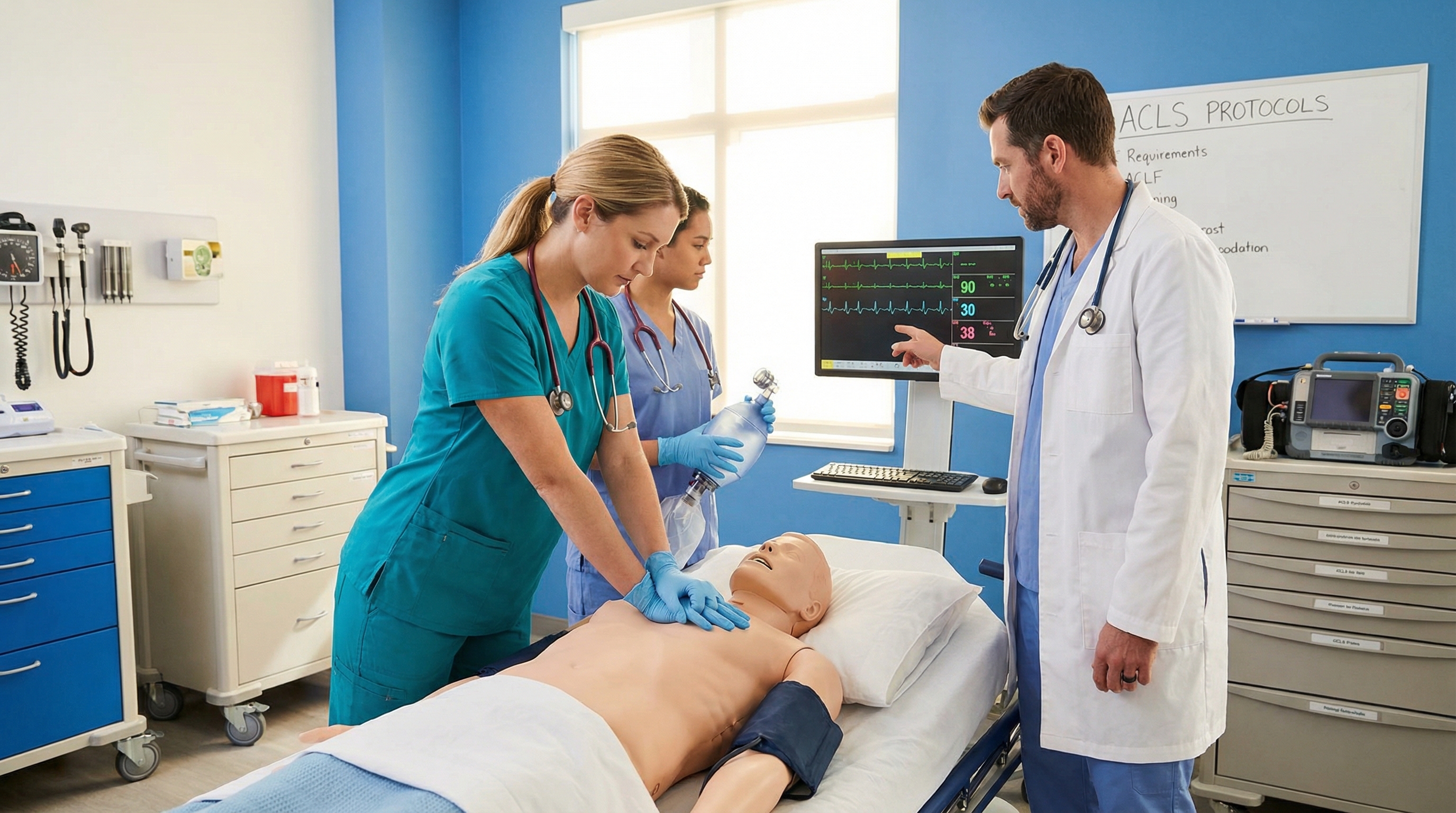
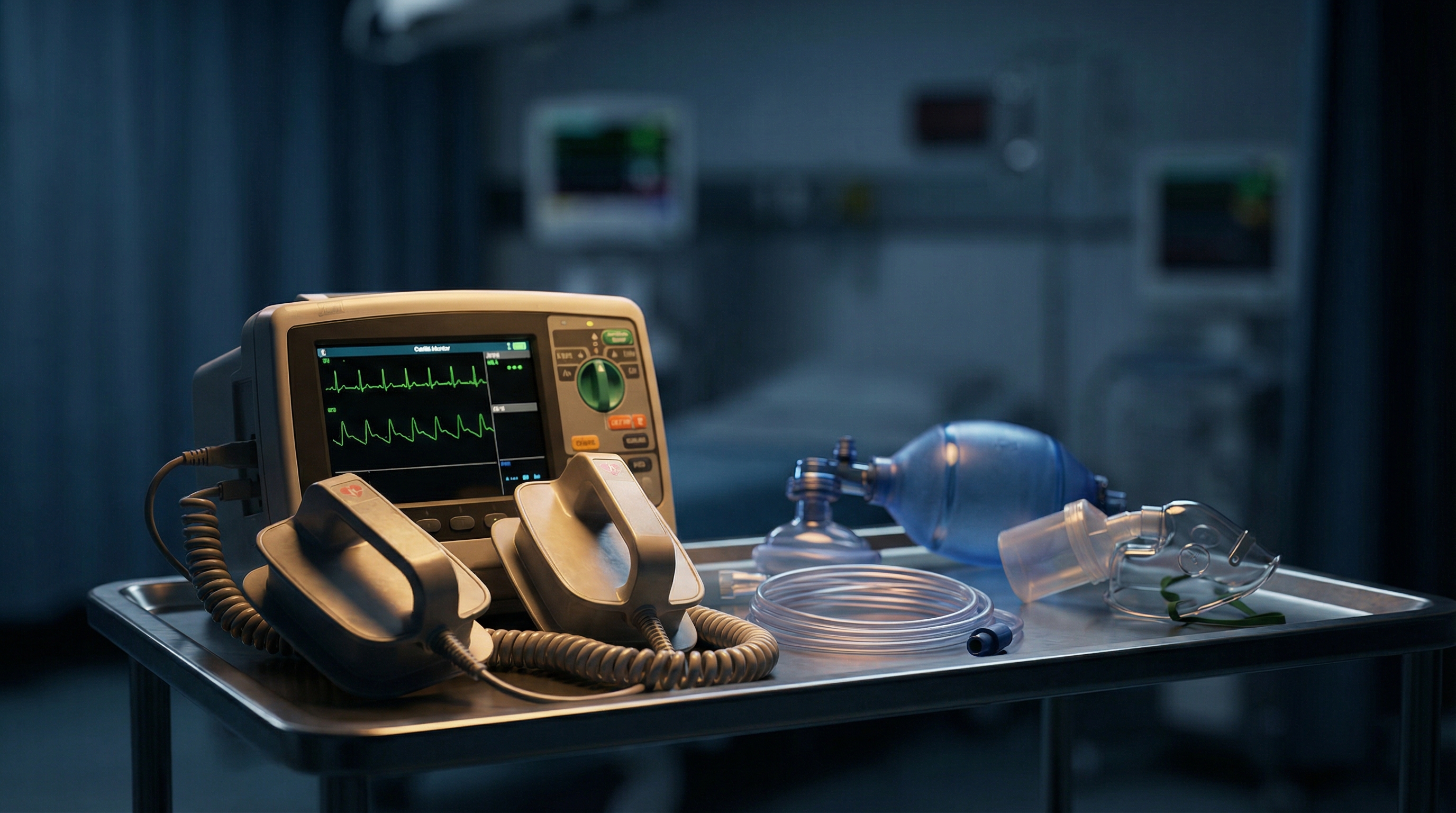
When most people think of sports medicine physicians, they envision professionals treating sprains, managing concussions, or overseeing rehabilitation programs. However, the reality of sideline medicine extends far beyond musculoskeletal injuries and performance optimization. Sports medicine physicians serve as the first line of defense when life-threatening emergencies strike during athletic competition, where every second counts and the stakes couldn't be higher.
Recent research analyzing 641 cases of sudden cardiac arrest in young athletes from 2014-2023 revealed a sobering reality: while 43.8% of athletes survived to hospital discharge, survival rates varied dramatically based on the location and immediate response quality. Athletes who collapsed during games with immediate access to emergency equipment had a 70% survival rate, compared to just 53% during practice sessions. This disparity underscores why Advanced Cardiovascular Life Support (ACLS) proficiency isn't just recommended for sports medicine physicians—it's absolutely essential.
The sideline represents a unique clinical environment where the controlled setting of a hospital emergency department meets the unpredictability of prehospital emergency medicine. Sports medicine physicians must bridge clinical expertise with field practicality, transforming ACLS protocols designed for hospital settings into effective interventions deliverable on athletic fields, in gymnasiums, and even in swimming pools. This article explores how sports medicine physicians apply ACLS protocols beyond the traditional training room, the unique challenges they face, and why continuous certification remains critical for protecting athlete safety.
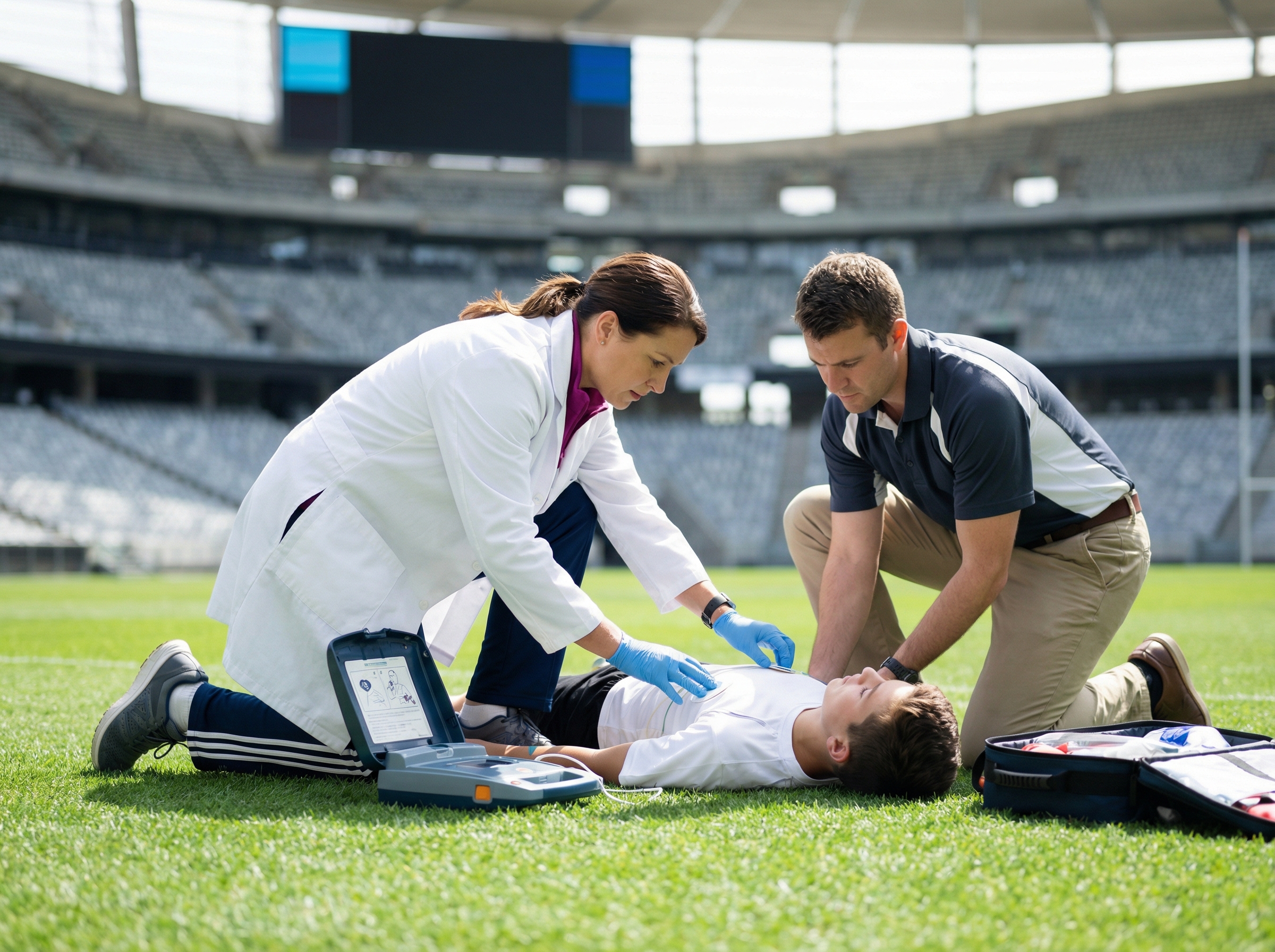
The athletic field presents challenges that would never occur in a conventional emergency department. Sports medicine physicians must be prepared to deliver advanced cardiac life support in environments ranging from climate-controlled indoor facilities to outdoor stadiums in extreme weather conditions. Unlike hospital-based emergency medicine, sideline emergencies occur in settings where equipment access may be limited, environmental factors can complicate interventions, and hundreds or thousands of spectators create both psychological pressure and logistical challenges.
According to best practices for emergency action planning in athletic settings, venue-specific preparation is essential. Each location where competition occurs requires its own detailed emergency action plan (EAP) that includes accurate addresses, ingress and egress routes for emergency vehicles, identification of locked gates and access barriers, and communication protocols for activating emergency medical services.
The environmental variables are significant. A cardiac arrest occurring during a football game in August heat requires consideration of both resuscitation protocols and environmental factors like hyperthermia. A collapse during a swimming event demands immediate water rescue before ACLS protocols can even begin. Basketball and volleyball played on elevated courts may require equipment transport up stairs or through narrow corridors. Each sport and venue creates unique logistical considerations that sports medicine physicians must anticipate and plan for in advance.
Research on sideline emergencies and best practices emphasizes that emergency action plans should be reviewed with all medical providers before every sporting event, especially when covering new venues or teams. This preparation extends beyond knowing where equipment is stored—it requires walking through access routes, testing communication systems, and ensuring that every member of the medical team understands their specific role in an emergency response.
While catastrophic injuries like cervical spine trauma and heat stroke demand immediate recognition and management, sudden cardiac arrest represents the leading cause of death in young athletes during sports participation. The incidence varies by sport, age group, and population, but the common thread is clear: immediate recognition and rapid implementation of ACLS protocols dramatically improve survival outcomes.
Understanding the epidemiology helps sports medicine physicians anticipate risk. In younger athletes under 35 years old, sudden cardiac death typically results from inherited cardiac conditions including hypertrophic cardiomyopathy, arrhythmogenic right ventricular cardiomyopathy, ion channelopathies, and congenital coronary artery anomalies. In athletes over 35, atherosclerotic coronary artery disease becomes the predominant cause. During long-distance races, research published in the New England Journal of Medicine found that coronary artery disease accounted for 52% of sudden cardiac arrest cases, with an overall mortality rate of 34%.
The presentation of sudden cardiac arrest in athletes often differs from typical emergency department scenarios. Athletes may experience a brief prodrome of chest discomfort, lightheadedness, or palpitations, but many collapse without warning during peak exertion. The initial rhythm is frequently ventricular fibrillation or pulseless ventricular tachycardia—shockable rhythms that respond to immediate defibrillation. This makes rapid AED access absolutely critical, as survival decreases by approximately 10% for every minute that defibrillation is delayed.
Sports medicine physicians must differentiate true cardiac arrest from other causes of collapse. Commotio cordis—a phenomenon where blunt chest trauma during a vulnerable phase of the cardiac cycle triggers ventricular fibrillation—can occur in sports involving projectiles like baseball, hockey, and lacrosse. Exertional heat stroke may present with altered mental status and collapse but requires fundamentally different treatment. Seizures, hypoglycemia, and vasovagal syncope can all mimic cardiac emergencies. The ability to rapidly assess, recognize, and respond appropriately distinguishes expert sports medicine practitioners from those merely covering events.
The American Heart Association's ACLS algorithms provide the evidence-based foundation for managing cardiac arrest and periarrest conditions. However, the standard hospital-based protocols assume immediate access to advanced equipment, pharmacological interventions, and specialized personnel. Sports medicine physicians must adapt these protocols to field conditions while maintaining fidelity to the core principles that improve survival.
The primary survey in field conditions follows the same CAB (Circulation-Airway-Breathing) sequence taught in ACLS courses, but implementation differs significantly. Circulation assessment begins with checking for responsiveness and pulse, but on an athletic field, this may occur while removing protective equipment, managing crowds, or dealing with environmental factors. High-quality chest compressions remain the cornerstone of resuscitation, but delivering compressions on artificial turf, gymnasium floors, or even pool decks requires adjustments in provider positioning and mechanics.
Airway management in field settings presents unique challenges. While ACLS protocols emphasize early advanced airway placement in hospital settings, field conditions often favor initial bag-valve-mask ventilation with adjunctive airways. Sports medicine physicians must balance the benefits of definitive airway control against the risks of interrupting compressions in an environment where advanced airway equipment may be limited and conditions are less than ideal. The emphasis shifts toward optimizing what can be reliably delivered rather than attempting interventions that may delay more critical elements of resuscitation.
Defibrillation represents the intervention most likely to restore spontaneous circulation in athletes with ventricular fibrillation or pulseless ventricular tachycardia. Unlike hospital settings with multiple defibrillators readily available, field settings depend on strategically placed automated external defibrillators. AED accessibility and proper use cannot be overstated—the equipment must be immediately available, fully charged, properly maintained, and familiar to all members of the medical team. Sports medicine physicians should ensure AEDs are positioned to allow access within 3 minutes of collapse at any location within the athletic venue.
Medication administration during field resuscitation follows ACLS protocols but requires advance preparation. Epinephrine remains the primary pharmacological intervention during cardiac arrest, with 1 mg administered intravenously or intraosseously every 3-5 minutes. Amiodarone or lidocaine may be considered for refractory ventricular fibrillation. However, establishing vascular access and administering medications on an athletic field demands that sports medicine physicians maintain current proficiency with these skills and carry properly stocked emergency bags. For a comprehensive review of dosages, routes, and indications, physicians should reference resources like the ACLS medications cheat sheet.
While cardiac arrest represents the most dramatic emergency, sports medicine physicians must also recognize and manage unstable bradycardia and tachycardia that can occur during athletic participation. Athletes with underlying cardiac conditions may present with symptomatic arrhythmias that require immediate ACLS intervention to prevent deterioration to cardiac arrest.
Bradycardia in athletes presents a diagnostic challenge because well-conditioned athletes normally have resting heart rates in the 40-60 beats per minute range due to increased vagal tone. Pathological bradycardia is distinguished by symptoms: altered mental status, chest discomfort, hypotension, or signs of shock indicate that the heart rate is inadequate for metabolic demands. ACLS protocols for symptomatic bradycardia begin with atropine 1 mg IV, which can be repeated every 3-5 minutes up to a maximum of 3 mg. If atropine is ineffective, transcutaneous pacing should be initiated while preparing for transvenous pacing or pharmacological support with dopamine or epinephrine infusions.
Tachycardia differentiation requires distinguishing between stable and unstable presentations and between narrow-complex and wide-complex rhythms. Supraventricular tachycardia (SVT) can occur in athletes with accessory pathways or AV nodal reentry, presenting with sudden-onset palpitations, dizziness, or chest discomfort. Stable patients may respond to vagal maneuvers, but unstable patients require immediate synchronized cardioversion. Wide-complex tachycardia must be treated as ventricular tachycardia until proven otherwise—an assumption that can be lifesaving when immediate cardioversion is required.
The sports medicine physician's ability to differentiate between physiological athletic adaptations and pathological rhythms requires both ACLS knowledge and sports-specific clinical experience. A heart rate of 180 beats per minute may be entirely appropriate during maximal exertion but would be concerning at rest or with inadequate recovery. The context of athletic participation adds complexity to rhythm interpretation that standard ACLS training doesn't fully address, making sports medicine subspecialty knowledge essential.
ACLS protocols emphasize identifying and treating reversible causes of cardiac arrest, organized as the "Hs and Ts." In athletic contexts, certain reversible causes are significantly more prevalent than in general emergency medicine, requiring sports medicine physicians to maintain heightened awareness and specific treatment capabilities.
Hypovolemia can result from inadequate hydration during endurance events or blood loss from traumatic injury. While less common as a primary cause of cardiac arrest, significant volume depletion contributes to cardiovascular collapse in heat-related illness and can complicate resuscitation. Treatment involves fluid resuscitation with crystalloids, though this must be balanced against the risks of fluid overload in athletes with underlying cardiac conditions.
Hypoxia may occur in swimming-related emergencies, high-altitude training, or when airway obstruction complicates cardiac arrest. Ensuring adequate oxygenation and ventilation remains a core ACLS principle that takes on added importance in sports settings where environmental factors may compromise respiratory function.
Hydrogen ion excess (acidosis) commonly develops during prolonged cardiac arrest but can also result from extreme exertion, particularly in athletes with metabolic myopathies or those using performance-enhancing substances. While routine bicarbonate administration is not recommended during cardiac arrest, severe acidosis with pH below 7.1 may warrant consideration in prolonged resuscitation efforts.
Hypo/hyperkalemia and other electrolyte disturbances can precipitate fatal arrhythmias, particularly in athletes using diuretics, experiencing heat-related illness, or with underlying renal disease. Sports medicine physicians should maintain a high index of suspicion for electrolyte abnormalities in collapsed athletes, though field testing capabilities are limited and empiric treatment must be based on clinical context.
Hypothermia is relevant in cold-weather sports and cold-water immersion events. Cardiac arrest in hypothermic patients requires modified resuscitation protocols, including withholding medications until core temperature exceeds 30°C and potentially prolonged resuscitation efforts, as hypothermic patients can survive prolonged cardiac arrest with good neurological outcomes.
Tension pneumothorax is a critical consideration in contact sports and collision-related trauma. Blunt chest trauma can cause pneumothorax that progresses to tension physiology, causing cardiovascular collapse that mimics primary cardiac arrest. Sports medicine physicians should be prepared to perform needle decompression when tension pneumothorax is suspected, using a 14-gauge needle in the second intercostal space at the midclavicular line.
Tamponade (cardiac) is less common but can result from blunt cardiac trauma in high-impact collisions. Pericardiocentesis is rarely feasible in field settings, making rapid transport to definitive care essential when cardiac tamponade is suspected.
Toxins, including performance-enhancing drugs, stimulants, and dietary supplements, represent an underappreciated cause of cardiac arrest in athletes. Anabolic steroids, stimulants, and other substances can precipitate lethal arrhythmias. Sports medicine physicians should consider toxicological causes when cardiac arrest occurs in the absence of other clear precipitants, though field treatment options are limited beyond standard ACLS protocols and supportive care. For a comprehensive understanding of reversible causes, physicians should review resources on sudden cardiac arrest and the Hs and Ts.
Thrombosis (coronary or pulmonary) becomes increasingly relevant in older athletes and those with underlying cardiovascular risk factors. Acute coronary syndromes can present during or shortly after exertion, requiring recognition of ischemic cardiac arrest patterns and consideration for fibrinolytic therapy or emergent percutaneous coronary intervention once the patient reaches definitive care.
The equipment available to sports medicine physicians during sideline emergencies directly impacts the interventions they can deliver. Unlike emergency departments with comprehensive equipment resources, field medicine requires carefully curated emergency bags that balance completeness against portability and accessibility.
At minimum, sports medicine physicians covering athletic events should have immediate access to an automated external defibrillator (AED) with adult and pediatric pads, bag-valve-mask resuscitators with multiple mask sizes, oropharyngeal and nasopharyngeal airways, supplemental oxygen with delivery devices, suction equipment, cervical collars and spine immobilization equipment, and a comprehensive trauma kit including hemorrhage control supplies.
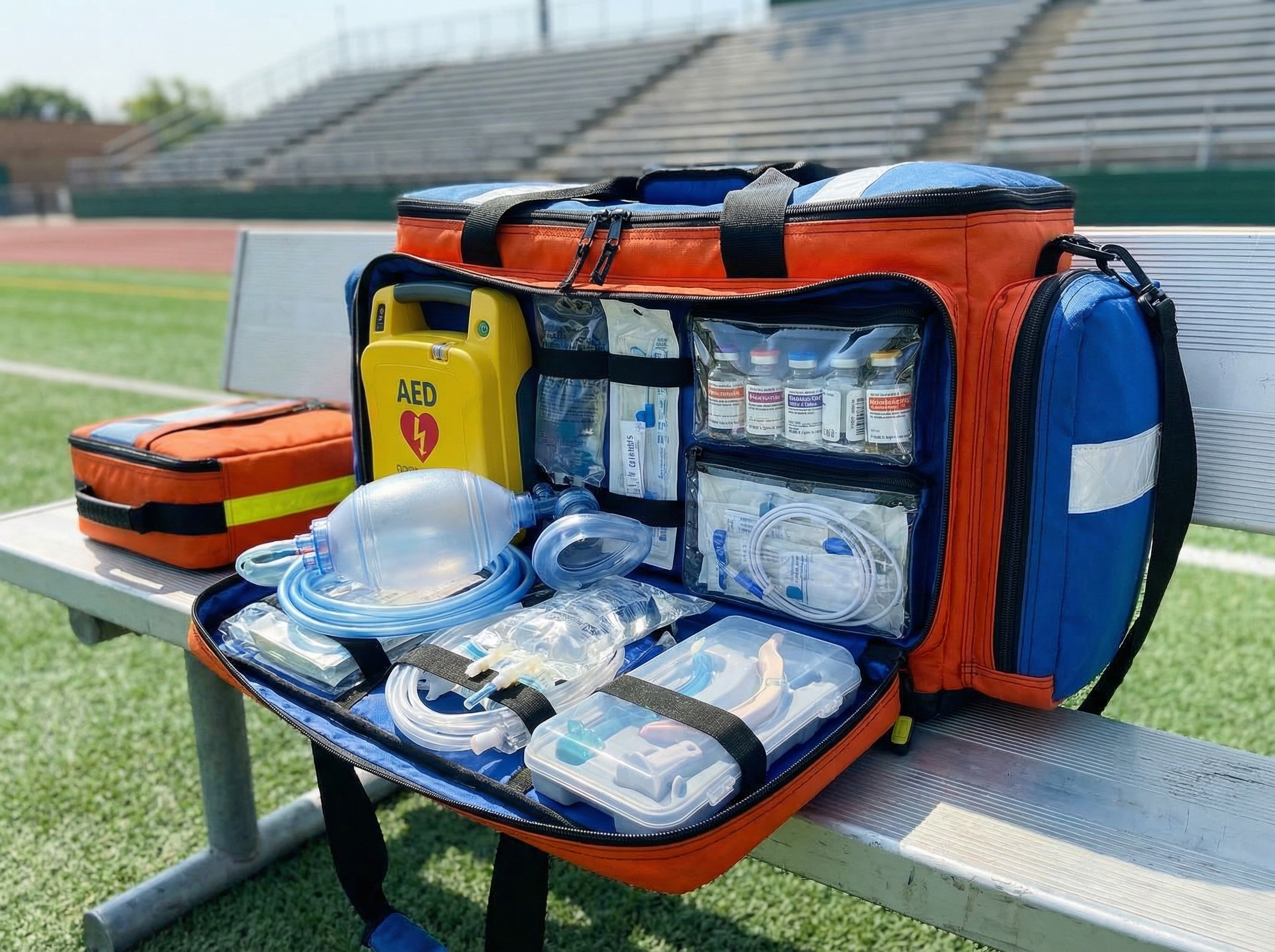
For physicians with ACLS training and appropriate scope of practice, advanced equipment should include intravenous access supplies (catheters, fluids, administration sets), intraosseous access devices for situations where IV access is difficult, ACLS medications (epinephrine, amiodarone, atropine, adenosine), advanced airway equipment (endotracheal tubes, laryngoscopes, supraglottic airways), cardiac monitoring equipment when feasible, and needle decompression supplies for tension pneumothorax.
Environmental emergency equipment is equally important and sport-specific. Heat-related illness requires rectal thermometers for core temperature assessment and cold-water immersion tubs for rapid cooling. Cold-weather events necessitate thermal protection and warming capabilities. Aquatic sports demand water rescue equipment and specialized resuscitation devices. Equipment for safe removal of protective gear—particularly football helmets and shoulder pads—is essential for managing cervical spine injuries and providing airway access without causing secondary injury.
Regular equipment checks are non-negotiable. AED batteries must be charged, pads must be within expiration dates, oxygen tanks must be full, and medications must not be expired. Many sports medicine physicians use pre-event checklists to verify equipment functionality and completeness, reducing the likelihood that critical equipment will be unavailable during an actual emergency.
ACLS emphasizes team dynamics and effective communication as essential elements of successful resuscitation. These principles take on added complexity in athletic settings where the emergency response team may include sports medicine physicians, athletic trainers, EMS personnel, coaching staff, and venue security, all of whom must coordinate seamlessly during high-stress emergencies.
The team leader role typically falls to the sports medicine physician as the provider with the highest level of medical training and ACLS certification. However, effective leadership requires more than medical knowledge—it demands clear communication, task delegation, and the ability to manage team dynamics in a chaotic environment. The team leader must simultaneously direct resuscitation efforts, communicate with incoming EMS, manage crowd control, and potentially provide information to coaching staff and family members.
Athletic trainers serve as essential partners in sideline emergency response. These professionals are trained in recognition of life-threatening emergencies, CPR and AED use, airway management, and equipment removal. Many athletic trainers have experience that exceeds that of physicians in sport-specific emergency scenarios. The most effective sideline medical teams establish clear protocols that leverage the complementary expertise of physicians and athletic trainers, with each understanding their role in emergency response.
Communication during emergencies must be unambiguous and directed. ACLS training emphasizes closed-loop communication—where team members acknowledge instructions and report when tasks are completed—but this becomes more challenging in loud stadium environments with environmental distractions. Establishing communication protocols in advance and practicing them during drills improves team performance when actual emergencies occur.
The handoff to emergency medical services represents a critical transition point where information can be lost if not managed carefully. Sports medicine physicians should provide EMS with a concise summary including the athlete's age and sport, the mechanism of collapse, initial presenting rhythm, interventions performed, medications administered, and current status. This information transfer follows the same principles taught in ACLS for hospital handoffs but must be condensed and delivered efficiently in field conditions.
While ACLS proficiency ensures sports medicine physicians can respond effectively to cardiac emergencies, preventing sudden cardiac death through screening and emergency preparedness represents the optimal strategy for protecting athlete safety. Both primary prevention through cardiac screening and secondary prevention through emergency action planning have demonstrated significant impact on athlete outcomes.
Cardiovascular screening of athletes remains somewhat controversial, with different organizations recommending different approaches. The American Heart Association recommends a 14-point history and physical examination for pre-participation screening, while European guidelines additionally recommend 12-lead electrocardiograms. The Italian experience, where mandatory ECG screening was implemented, demonstrated a 90% reduction in sudden cardiac death rates over 25 years—from 3.6 per 100,000 person-years to 0.4 per 100,000 person-years. While ECG screening identifies more athletes with potential cardiac conditions, it also generates false positives that require further evaluation, creating cost and anxiety considerations that have limited adoption in the United States.
Regardless of the screening approach, sports medicine physicians play a critical role in identifying concerning cardiac symptoms and examination findings that warrant further evaluation. Athletes reporting exertional chest pain, syncope, palpitations, or family history of sudden cardiac death require cardiovascular evaluation before clearance for competition. Examination findings such as heart murmurs suggesting hypertrophic cardiomyopathy warrant echocardiographic evaluation. The goal is to identify athletes with underlying conditions that place them at increased risk for sudden cardiac death during sports participation.
Emergency action planning represents secondary prevention—ensuring that if sudden cardiac arrest occurs, the response is immediate and effective. The National Athletic Trainers' Association has published comprehensive guidelines for emergency action plan development and implementation. These plans must be venue-specific, regularly reviewed and practiced, and include all stakeholders from medical personnel to coaching staff to venue operations. For sports medicine physicians, familiarity with emergency action plans at every venue they cover is not optional—it's a professional obligation. Resources like guidance on preventing sudden cardiac death in sports provide valuable frameworks for comprehensive emergency preparedness.
Regular emergency drills and scenario-based training improve team performance during actual emergencies. Just as athletes practice skills repeatedly to perform under pressure, medical teams covering athletic events should conduct regular drills that simulate cardiac arrest scenarios. These drills identify system gaps—such as locked gates preventing ambulance access or dead zones where cell phone communication fails—that can be corrected before they affect actual patient care.
Sports medicine physicians covering youth and adolescent athletics face additional considerations that differ from adult sports coverage. Pediatric cardiac emergencies require modified ACLS protocols based on Pediatric Advanced Life Support (PALS) guidelines, and the emotional impact of emergencies involving young athletes creates unique challenges for medical teams.
Cardiac arrest in pediatric athletes is less common than in adults but is equally catastrophic when it occurs. The causes differ somewhat from adult athletes, with conditions like hypertrophic cardiomyopathy, long QT syndrome, and congenital coronary anomalies being more prevalent. Commotio cordis—sudden cardiac arrest from blunt chest impact—occurs predominantly in youth athletes, particularly in baseball, hockey, and lacrosse.
PALS protocols differ from adult ACLS in several key areas. Compression depth is adjusted based on patient size (approximately one-third the anterior-posterior diameter of the chest), compression-to-ventilation ratios differ (15:2 for two-rescuer CPR in children versus 30:2 in adults), and medication dosing is weight-based rather than fixed-dose. Defibrillation energy dosing is also weight-based, starting at 2 J/kg for initial shocks and increasing to 4 J/kg for subsequent shocks, though AEDs with pediatric attenuation systems can be used for children under 8 years old.
Sports medicine physicians covering youth sports should maintain current certification in both ACLS and PALS, as the athletes they treat may range from elementary school age through young adulthood. The cognitive load of remembering both adult and pediatric protocols during high-stress emergencies is significant, making regular training and practice essential. For comprehensive guidance, physicians should review resources on PALS training in youth sports.
The psychological impact of pediatric emergencies extends beyond the immediate medical response. Parents, coaches, teammates, and even opposing players witness these events, creating secondary trauma that must be addressed. Sports medicine physicians should work with mental health professionals to ensure psychological support is available following catastrophic events involving young athletes.
ACLS certification requires renewal every two years, but for sports medicine physicians regularly covering athletic events, maintaining proficiency requires more than meeting minimum certification requirements. The unique environment of sideline medicine, the high-stakes nature of public emergencies, and the specific challenges of adapting hospital-based protocols to field conditions all demand ongoing education and skill maintenance.
Traditional ACLS courses focus on hospital-based scenarios with full equipment availability and established team structures. While these courses provide essential foundational knowledge, they don't fully prepare physicians for field-based emergencies where equipment is limited, environmental factors complicate interventions, and team composition varies by event. Sports medicine physicians benefit from supplemental training that specifically addresses field-based emergency response, including scenario-based drills in actual athletic venues.
Simulation training has emerged as a valuable tool for maintaining procedural skills and team coordination. High-fidelity mannequins can simulate cardiac arrest scenarios with realistic feedback about compression quality, ventilation adequacy, and defibrillation technique. When conducted in actual athletic settings rather than simulation labs, these exercises provide invaluable practice that translates directly to real-world performance.
Online ACLS certification and recertification offers sports medicine physicians a convenient option for maintaining current credentials while managing busy clinical and sideline coverage schedules. Platforms like Affordable ACLS provide self-paced learning based on current American Heart Association and International Liaison Committee on Resuscitation guidelines, with immediate certification upon completion. The flexibility to complete coursework during available time—rather than attending scheduled in-person classes—makes recertification more accessible for physicians with demanding schedules. For physicians seeking efficient certification options, online ACLS certification provides a convenient solution that maintains clinical credibility while respecting time constraints.
Beyond formal certification, sports medicine physicians should engage in regular continuing medical education focused on sports emergency medicine. Organizations like the American College of Sports Medicine, the American Medical Society for Sports Medicine, and the American Orthopaedic Society for Sports Medicine offer conferences, workshops, and publications specifically addressing sideline emergency care. Staying current with evolving guidelines and emerging evidence ensures that the care provided reflects best practices.
Sports medicine physicians providing sideline coverage operate in a complex legal environment that combines elements of emergency medicine, team physician responsibilities, and public performance expectations. Understanding the legal and ethical framework for emergency care delivery is essential for protecting both patient welfare and physician liability.
The standard of care for sports medicine physicians providing sideline coverage requires that physicians possess and demonstrate the knowledge, skill, and judgment that would be expected of a reasonably competent sports medicine physician in similar circumstances. This includes maintaining current ACLS certification, having appropriate emergency equipment available, implementing venue-specific emergency action plans, and responding appropriately to life-threatening emergencies. Failure to meet this standard can constitute medical negligence if patient harm results.
Good Samaritan laws provide some liability protection for medical professionals providing emergency care, but the applicability varies by jurisdiction and circumstance. Physicians serving as designated team physicians or event medical directors generally do not qualify for Good Samaritan protection because they have an established duty to provide care rather than voluntarily offering assistance. However, sports medicine physicians responding to emergencies in the stands or involving spectators may be covered by Good Samaritan statutes depending on state law.
Informed consent for emergency treatment follows the same principles as other emergency medicine settings—when a patient lacks decision-making capacity and faces an immediate life-threatening condition, consent is implied for emergency interventions necessary to preserve life. However, sports medicine physicians must navigate complex situations involving minor athletes, parental authority, and institutional policies. Having clear protocols established in advance for consent and notification reduces confusion during actual emergencies.
Documentation of emergency care is essential for both continuity of care and legal protection. While detailed charting may not be possible during active resuscitation, sports medicine physicians should document the key elements of emergency response as soon as feasible, including the timing of collapse, initial assessment findings, interventions performed, medications administered, and the patient's response. This documentation becomes part of the medical record and may be crucial if legal questions arise about the care provided.
Ethical considerations in sideline medicine sometimes create conflicts between different obligations. The physician's primary duty is to the individual athlete's health and safety, but this may conflict with team interests, competitive pressures, or spectator expectations. When medical judgment indicates that an athlete should be removed from competition or transported for emergency evaluation, the sports medicine physician must advocate for appropriate medical care regardless of external pressures. Maintaining professional independence and making decisions based solely on medical considerations protects both patient welfare and physician integrity.
Understanding ACLS protocols in theory differs significantly from applying them under the pressure of actual sideline emergencies. The following case scenarios illustrate how sports medicine physicians integrate ACLS knowledge with sport-specific considerations to manage life-threatening emergencies.
Scenario 1: Collapse During Football Practice
A 16-year-old high school football player collapses during a conditioning drill on a hot August afternoon. The athletic trainer reaches the athlete within seconds and finds him unresponsive. You arrive moments later with the emergency bag and AED.
Your immediate assessment reveals no response to verbal or tactile stimuli. The athlete is not breathing normally and has no palpable carotid pulse. The athletic trainer has already directed another coach to call 911 and retrieve the spine board. You recognize this as cardiac arrest and immediately begin coordinated resuscitation.
The athletic trainer begins high-quality chest compressions while you prepare the AED. Within 30 seconds, the AED pads are applied and the device is analyzing rhythm. The AED advises shock, which is delivered while ensuring all rescuers are clear. Compressions resume immediately for two minutes while you establish IV access and prepare epinephrine. After the second AED analysis reveals persistent ventricular fibrillation, you administer epinephrine 1 mg IV and prepare amiodarone 300 mg.
Key considerations include the environmental heat, the athlete's equipment (helmet and shoulder pads), and the witnessed nature of the collapse. The helmet face mask is removed to allow airway access without removing the helmet itself, maintaining cervical spine precautions despite the cardiac arrest taking precedence. After three shocks and appropriate medications, the athlete regains pulses. EMS arrives and transports the athlete to the emergency department, where he is ultimately diagnosed with hypertrophic cardiomyopathy.
Scenario 2: Chest Pain in a Masters Runner
A 52-year-old male runner approaches the medical tent after completing a half-marathon, complaining of persistent chest pressure and shortness of breath. He appears diaphoretic and anxious. His initial vital signs show heart rate 110, blood pressure 160/95, respiratory rate 24, and oxygen saturation 94% on room air.
You recognize this presentation as concerning for acute coronary syndrome. Your assessment includes a focused history revealing that the chest discomfort began during the final mile of the race, has not resolved with rest, and radiates to his left arm. He has a family history of early coronary disease. You place him on continuous monitoring, which reveals ST-segment elevation in the anterior leads.
Following ACLS protocols for suspected ST-elevation myocardial infarction, you administer oxygen to maintain saturation above 94%, aspirin 324 mg chewed, nitroglycerin sublingual (after confirming he has not used phosphodiesterase inhibitors), and establish IV access. You activate EMS with a STEMI alert, communicating directly with the receiving hospital catheterization lab. The patient receives morphine for ongoing chest pain and is transported emergently for percutaneous coronary intervention.
This case illustrates the application of ACLS algorithms to acute coronary syndromes in the athletic setting. While the patient did not arrest, his condition was time-critical and required immediate recognition and appropriate interventions. The sports medicine physician's role included not just initial treatment but also coordination with EMS and the receiving hospital to minimize time to definitive intervention.
Scenario 3: Commotio Cordis in Youth Baseball
A 13-year-old baseball player is struck in the chest by a pitched ball during batting practice. He takes several steps, then collapses. You witness the collapse and reach him within seconds.
The athlete is unresponsive, not breathing, and pulseless. You recognize this as likely commotio cordis—ventricular fibrillation triggered by chest impact during the vulnerable period of the cardiac cycle. Every second counts, as survival in commotio cordis is highly time-dependent.
You immediately call for the AED and begin chest compressions using pediatric parameters (compression depth approximately 2 inches, rate 100-120 per minute). The AED arrives within 90 seconds, pads are applied, and the device confirms ventricular fibrillation. You deliver the first shock using pediatric energy settings, and compressions resume immediately. After two minutes and a second shock, the athlete regains pulses and spontaneous respirations. He is transported to the pediatric intensive care unit where he makes a complete neurological recovery.
Commotio cordis has a narrow window for successful resuscitation, making immediate defibrillation essential. This case underscores the importance of having AEDs immediately accessible at youth sporting events and ensuring that medical personnel are prepared to manage pediatric cardiac arrest. The application of PALS principles within the ACLS framework demonstrates why sports medicine physicians covering youth sports need proficiency in both adult and pediatric resuscitation.
The field of sideline emergency medicine continues to evolve with technological advances and new research informing best practices. Sports medicine physicians can anticipate several developments that will impact how ACLS protocols are delivered in athletic settings over the coming years.
Wearable technology and real-time monitoring systems are becoming increasingly sophisticated, with the potential to provide early warning of cardiac abnormalities before catastrophic events occur. Heart rate monitors, GPS tracking devices, and even smart clothing with embedded sensors can detect abnormal patterns that might indicate underlying cardiac conditions or developing emergencies. While these technologies are not yet standard in competitive athletics, they hold promise for earlier identification of athletes at risk.
Enhanced AED technology continues to improve survival from sudden cardiac arrest. Modern devices provide real-time feedback on compression quality, including depth, rate, and recoil, allowing rescuers to optimize CPR performance. Some systems integrate with medical control, allowing emergency physicians to provide remote guidance during resuscitation. Future systems may incorporate artificial intelligence to analyze rhythm patterns and guide therapy decisions beyond current automated algorithms.
Telemedicine integration could transform sideline medicine by providing immediate specialist consultation during emergencies. A sports medicine physician managing a complex resuscitation could obtain real-time guidance from emergency medicine or cardiology specialists via video connection, bringing additional expertise to field-based care. This technology could be particularly valuable in settings where less experienced medical coverage is available, such as high school athletics without team physicians.
Point-of-care ultrasound is becoming increasingly portable and accessible, with handheld devices now available that can provide critical diagnostic information during resuscitation. Cardiac ultrasound during CPR can identify reversible causes like cardiac tamponade, massive pulmonary embolism, or severe hypovolemia that might not otherwise be recognized in field settings. As these devices become more compact and affordable, their integration into sideline emergency bags may become standard practice.
Research continues to refine our understanding of optimal resuscitation strategies. Evolving guidelines regarding compression-only CPR, optimal compression depth and rate, timing of epinephrine administration, and post-cardiac arrest care will inform how sports medicine physicians deliver ACLS interventions. Staying current with emerging evidence requires commitment to ongoing education and willingness to adapt practices as new research emerges.
Sports medicine physicians occupy a unique position at the intersection of athletic performance and emergency medicine, where the ability to recognize and respond to life-threatening emergencies can mean the difference between survival and tragedy. ACLS proficiency is not merely a credential requirement—it represents a fundamental commitment to athlete safety and professional excellence.
The application of ACLS protocols beyond the training room demands more than theoretical knowledge. It requires the ability to adapt hospital-based algorithms to field conditions, maintain procedural skills through regular practice, coordinate with multidisciplinary teams under pressure, and make critical decisions in environments that are often chaotic and unforgiving. Sports medicine physicians must bridge the gap between what is taught in standardized courses and what is possible in real-world athletic settings.
The statistics are compelling: athletes who experience cardiac arrest during competition have dramatically better outcomes when medical personnel with ACLS training are present, equipment is immediately accessible, and emergency action plans are effectively implemented. The 70% survival rate for athletes collapsing during games—compared to just 53% during practice—reflects the impact of preparedness and immediate response capability. Sports medicine physicians have the professional obligation to ensure that every venue they cover provides the same level of emergency preparedness regardless of whether the event is a championship game or a routine practice.
Maintaining current ACLS certification through convenient, affordable options ensures that sports medicine physicians can focus their time on what matters most: being present for athletes, honing sport-specific emergency skills, and providing the highest quality sideline care. Whether through traditional in-person courses or online certification platforms that offer flexibility for busy schedules, keeping credentials current demonstrates professional commitment and ensures that skills remain sharp when emergencies arise.
Beyond individual physician competency, the culture of emergency preparedness in sports medicine must continue to evolve. Every athletic event should have a comprehensive emergency action plan. Every venue should have immediately accessible AEDs and emergency equipment. Every medical team should conduct regular drills and scenario-based training. Every sports medicine physician should view ACLS proficiency not as a checkbox to be marked but as a core competency to be continuously refined.
The young athletes and competitors who trust sports medicine physicians to protect their safety deserve nothing less than excellence in emergency preparedness. When a catastrophic event occurs on the field of play, the quality of the immediate response determines outcomes. Sports medicine physicians who maintain current ACLS certification, prepare thoroughly for emergency scenarios, and commit to ongoing skill development honor that trust and uphold the fundamental principle of medical practice: first, do no harm—and when harm occurs, be prepared to respond with life-saving expertise.
Sports medicine extends far beyond managing injuries and optimizing performance. At its core, it encompasses the solemn responsibility of safeguarding athlete lives in their most vulnerable moments. ACLS proficiency, adapted thoughtfully to the unique challenges of sideline medicine, provides the foundation for meeting that responsibility with competence, confidence, and unwavering commitment to athlete welfare.
.jpg)