ACLS Blogs

Ophthalmology and Eye Surgery Centers: Why BLS Readiness Is Critical for Outpatient Procedures

The Hidden Emergency Risk Inside Every Eye Surgery Center

There is a persistent myth in outpatient specialty care that because procedures appear minor, so too is the clinical risk. Nowhere is this assumption more dangerous than inside ophthalmology practices and ambulatory eye surgery centers (ASCs). A cataract extraction, an intravitreal injection, or a laser-assisted refractive procedure may take fewer than 20 minutes to perform, but the patient population walking through the door is often elderly, medically complex, and carrying a full portfolio of cardiovascular, pulmonary, and metabolic comorbidities that can escalate without warning.


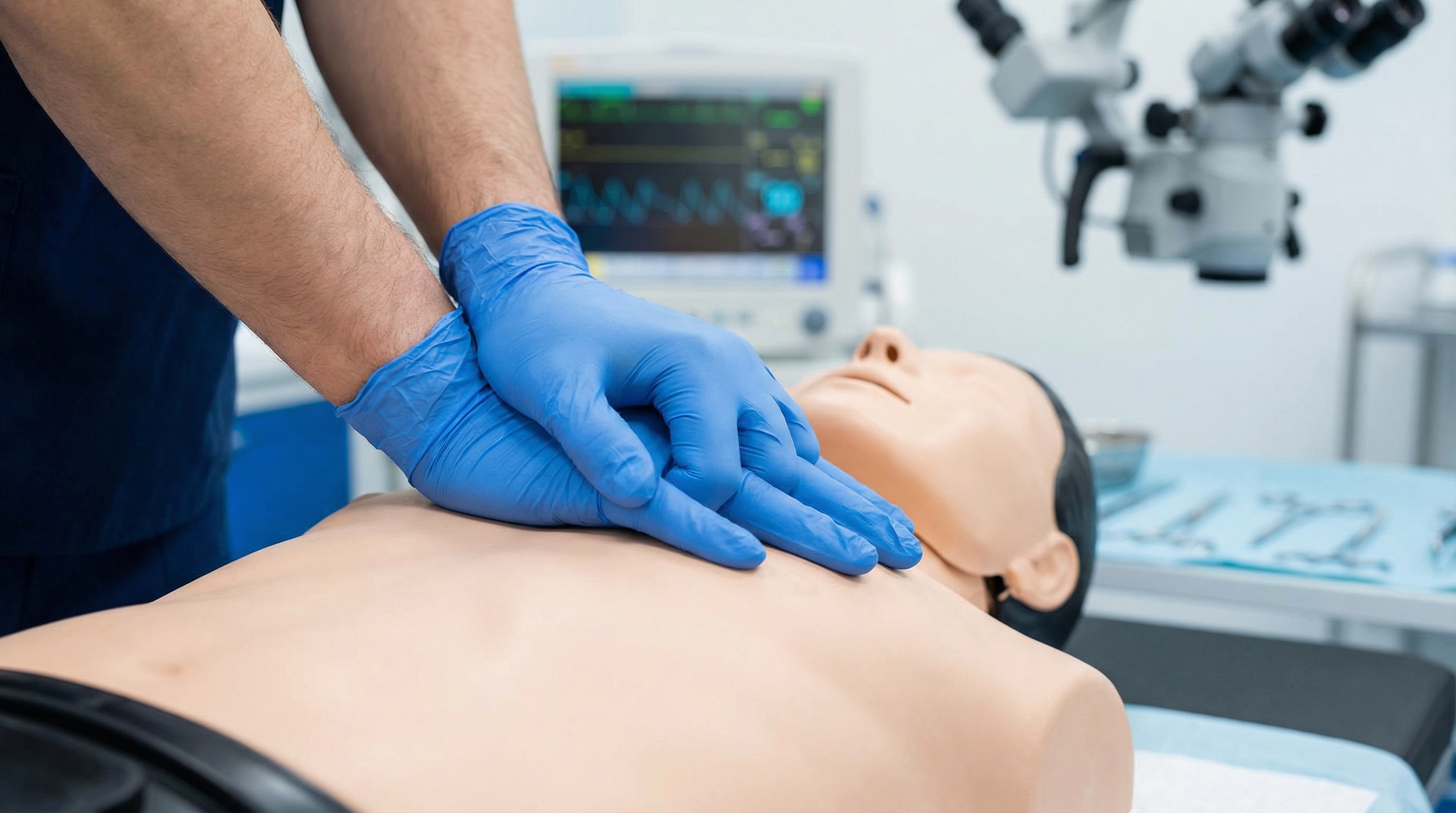
When a patient loses consciousness, stops breathing, or goes into cardiac arrest in an outpatient ophthalmology setting, the proximity of a hospital emergency department does not save them. What saves them is a staff member who is trained, confident, and certified in Basic Life Support — and who can begin high-quality CPR within seconds while the AED is retrieved. BLS readiness in eye surgery centers is not a regulatory checkbox. It is a clinical imperative.
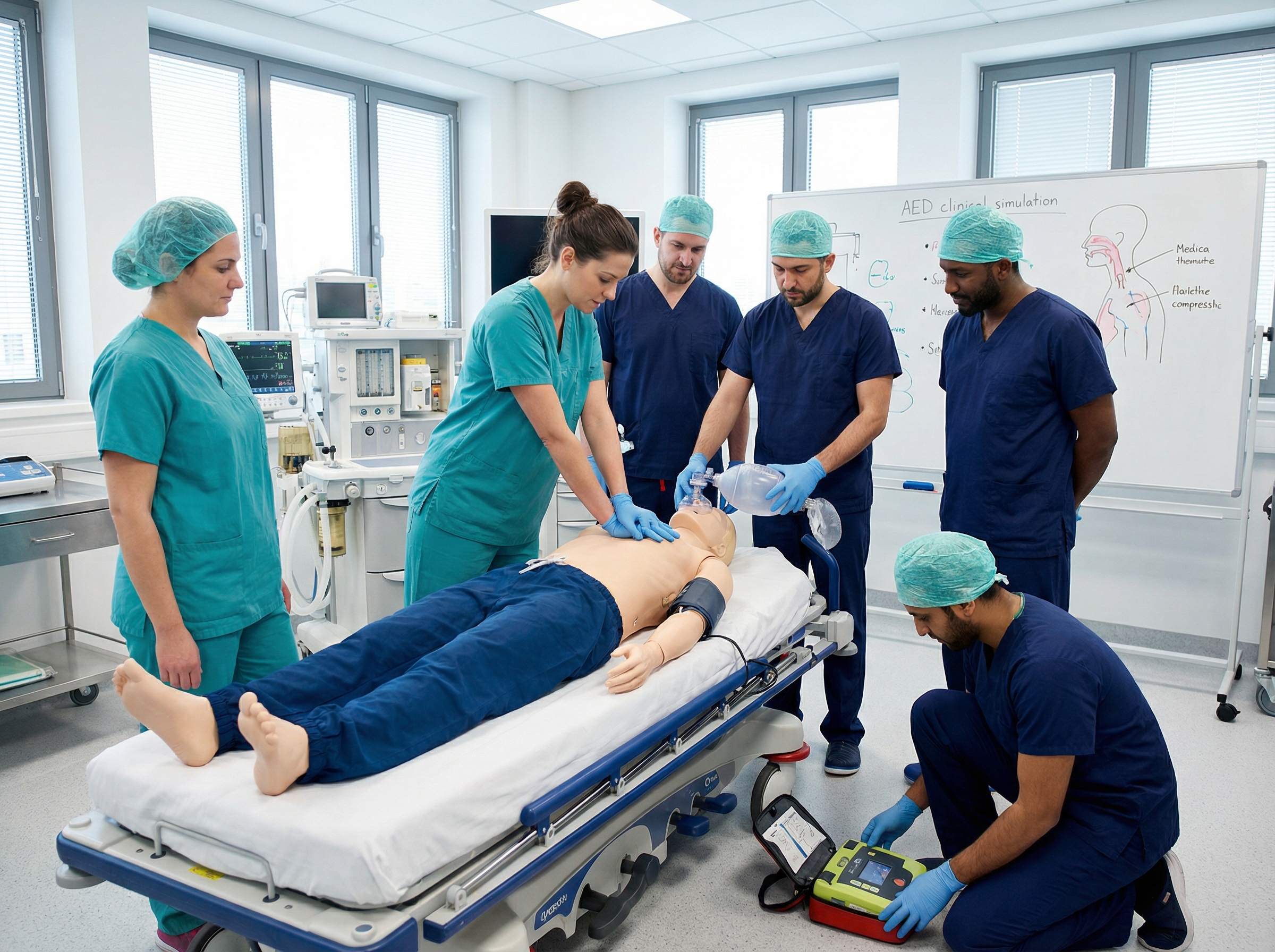
Ophthalmology ASC staff team practicing BLS emergency response including CPR and AED use on a training mannequin


This article examines why BLS preparedness is uniquely critical for ophthalmology and outpatient eye surgery settings, what the specific risk factors are, how to build a culture of emergency readiness, and how modern online certification makes it easier than ever for your entire team to stay credentialed without disrupting the clinical schedule.


Understanding Who Sits in the Procedure Chair

The single most important factor driving emergency risk inside an eye surgery center is the patient population itself. According to data from the Ophthalmology Management journal, the patient population at an ophthalmic ASC is predominantly seniors, the majority of whom carry underlying systemic disease. This is not incidental. It is structural.


Cataract surgery alone accounts for more than 3 million procedures performed in the United States each year, and the average patient is well into their 70s. Many of these patients are being managed for hypertension, coronary artery disease, heart failure, atrial fibrillation, chronic obstructive pulmonary disease, diabetes, or some combination of all of the above. Anticoagulants, beta-blockers, ACE inhibitors, and diuretics are standard medications in this population — and all of them can complicate an acute emergency response.


Anxiety about ophthalmic procedures is also remarkably common. Vasovagal syncope — a sudden drop in heart rate and blood pressure triggered by emotional stress, pain, or fear — is one of the most frequently reported acute events in outpatient ophthalmology settings. It can look like a simple fainting episode, but in a patient with underlying cardiac disease, it can precede or precipitate something far more serious. A staff that is BLS-trained recognizes the difference and responds accordingly.


Sedation and the Anatomy of an Outpatient Emergency

Many ophthalmic procedures are performed under monitored anesthesia care (MAC) or conscious sedation. While these are lighter forms of anesthesia than general intubation, they carry a distinct set of risks that are relevant to BLS providers. Respiratory depression from opioids and benzodiazepines, laryngospasm, oxygen desaturation, and aspiration are all documented complications in outpatient anesthesia settings.


Research published in the BJA Education journal on ophthalmic anesthesia updates confirms that patients with obstructive sleep apnea undergoing procedural sedation have significantly elevated odds of respiratory adverse events — approximately 1.65 times higher than the general population — and are more than three times as likely to require emergency airway interventions. Eye surgery centers that perform any volume of MAC-based procedures must treat airway management and bag-mask ventilation as realistic scenarios their staff will face.


Beyond sedation, ophthalmic nerve blocks — commonly used for cataract and vitreoretinal procedures — carry a low but non-zero risk of systemic complications. Brainstem anesthesia from inadvertent intravascular or subdural injection of local anesthetic can cause rapid-onset unconsciousness and respiratory arrest. Anaphylaxis to contrast agents, topical drops, or medications administered perioperatively is another documented trigger for acute emergencies requiring immediate BLS response. For further context on managing one of the most dangerous outpatient emergencies, our article on managing anaphylaxis in clinical settings offers a detailed breakdown of recognition and treatment steps.


What Regulations Actually Require — and Where They Fall Short

The Centers for Medicare and Medicaid Services (CMS) sets federal baseline requirements for ASC certification and reimbursement. Among those requirements is that a registered nurse must be available for emergency treatment whenever a patient is present in the facility — meaning on-premises and sufficiently free from other duties to respond rapidly. CMS and accrediting bodies such as the Joint Commission, AAAHC, and ACHC all require that clinical staff maintain current BLS certification and that the facility have documented emergency response protocols.


But regulatory minimums are not safety targets. They are floors, not ceilings. The industry consensus among ophthalmology ASC specialists is that best practice requires all clinical staff — not just nurses — to hold current BLS certification. Ophthalmic surgical technicians, ophthalmic assistants, front-desk staff who may be the first to encounter a collapsing patient in the waiting room, and scribes who work alongside providers during procedures should all be trained and certified. Emergency readiness is a team sport, and the weakest link determines outcomes.


It is also worth noting that regulatory compliance alone does not prepare staff to act under stress. A certification card is not the same as practiced competency. Emergency drills, scenario-based training, and regular recertification all contribute to muscle memory that activates when panic might otherwise paralyze. Our detailed guide on keeping your team compliance-ready with group certification solutions explores practical strategies for facilities managing certification at scale.


The BLS Skills That Matter Most in an Eye Surgery Center

Basic Life Support certification covers a focused set of skills that are precisely the ones needed in an ophthalmic outpatient emergency. Understanding what those skills are — and why they matter in this specific context — helps reinforce why certification is non-negotiable rather than optional.


High-Quality CPR

If a patient in the recovery area following a vitrectomy experiences sudden cardiac arrest, the survival window is measured in minutes. According to the Sudden Cardiac Arrest Foundation, approximately 350,000 people experience out-of-hospital cardiac arrest annually in the United States, and survival rates drop by 7–10% for every minute without CPR. An eye surgery center is, by classification, an outpatient setting — EMS response times average four to eight minutes in most urban areas, and considerably longer in suburban or rural locations. Every member of the clinical team must be capable of initiating and maintaining high-quality chest compressions immediately upon recognizing arrest.


The Adult Basic Life Support Algorithm provides the step-by-step framework that every certified provider should know reflexively: scene safety, unresponsiveness check, activation of emergency response, pulse and breathing check, compression initiation, AED attachment, and rhythm analysis. In an ophthalmology center, activating the emergency response system means calling 911 while a second staff member retrieves the AED and a third begins compressions.


AED Deployment

Every licensed ASC is required to have an automated external defibrillator on site. The value of having the device is zero if no one knows how to use it under stress. BLS certification ensures that staff can confidently power on the AED, attach electrode pads correctly, clear the patient during analysis and shock delivery, and resume compressions immediately post-shock. For a deeper review of AED function and proper use, our comprehensive guide to AEDs covers everything from pad placement to maintenance requirements.


Rescue Breathing and Airway Management

In a respiratory emergency — common in patients receiving MAC sedation — rescue breathing is the first priority. BLS-trained providers know how to open and maintain an airway using the head-tilt-chin-lift maneuver, deliver effective rescue breaths using a bag-valve-mask device, and recognize signs of airway obstruction. In a setting where anesthesia providers may not always be immediately present, this basic competency can be the bridge between respiratory arrest and full cardiac arrest.


Scenario Planning: Building Your Emergency Response System

Regulatory compliance tells you what documentation to maintain. Clinical preparedness tells you what to do in the first 90 seconds when a 74-year-old patient becomes unresponsive in the pre-op bay. These are different bodies of knowledge, and both are required.


Effective emergency preparedness in an ophthalmology ASC or office-based surgical suite includes several interlocking components. First, a written emergency response plan that defines roles explicitly. Who calls 911? Who retrieves the crash cart or AED? Who begins CPR? Who manages the door to guide EMS in? Ambiguity in a crisis costs seconds, and seconds cost lives. Roles should be pre-assigned, rehearsed, and reviewed at least annually.


Second, regular emergency drills. The Ophthalmology Management journal recommends that ASC staff conduct routine emergency drills that verify knowledge of emergency techniques, protocols, and the location and usage of emergency equipment. A drill is not a lecture. It is an active simulation that forces staff to move through the steps under conditions that partially replicate the cognitive load of a real event. Facilities that drill regularly have demonstrably faster and more organized responses when real emergencies occur.
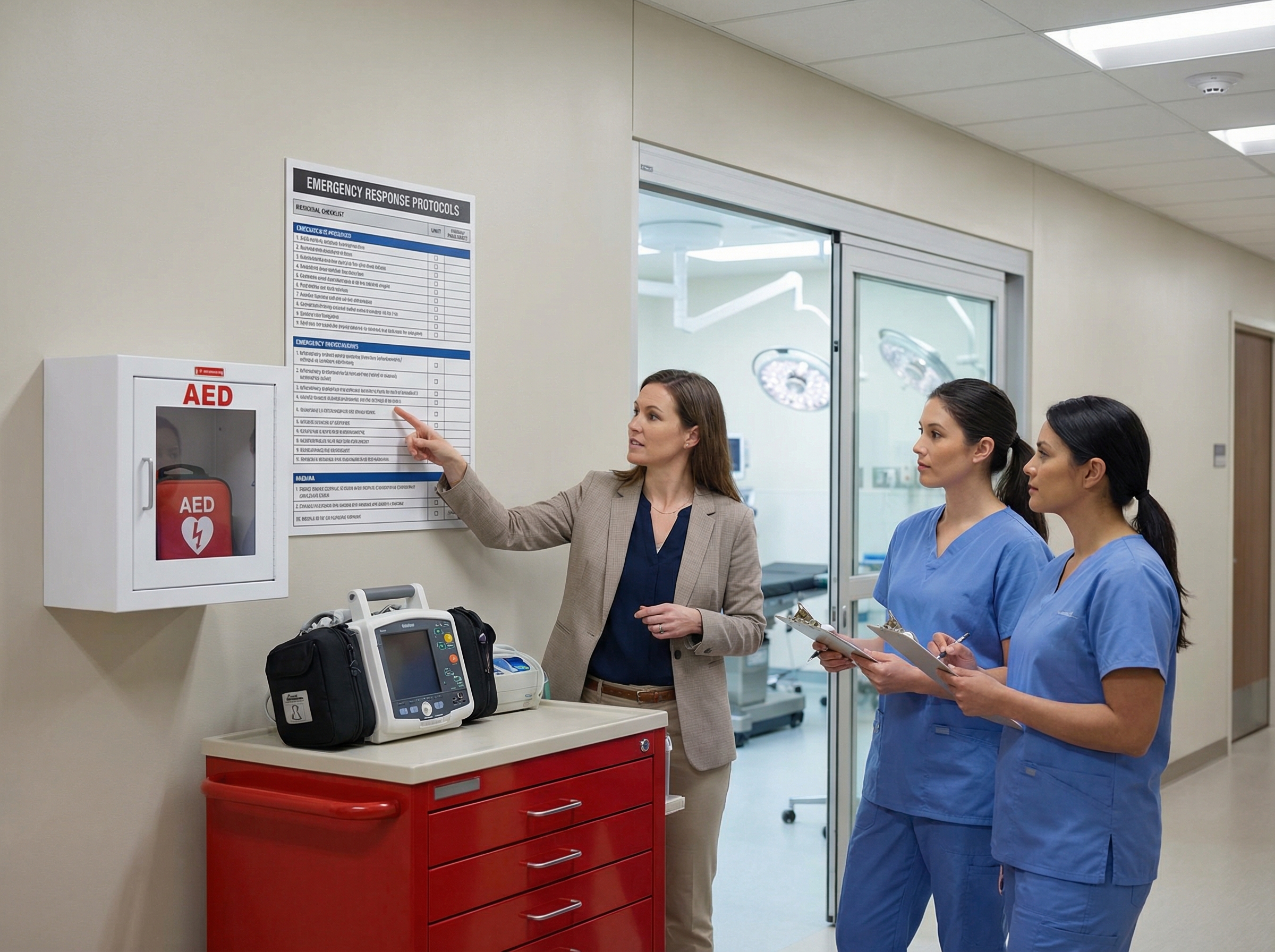
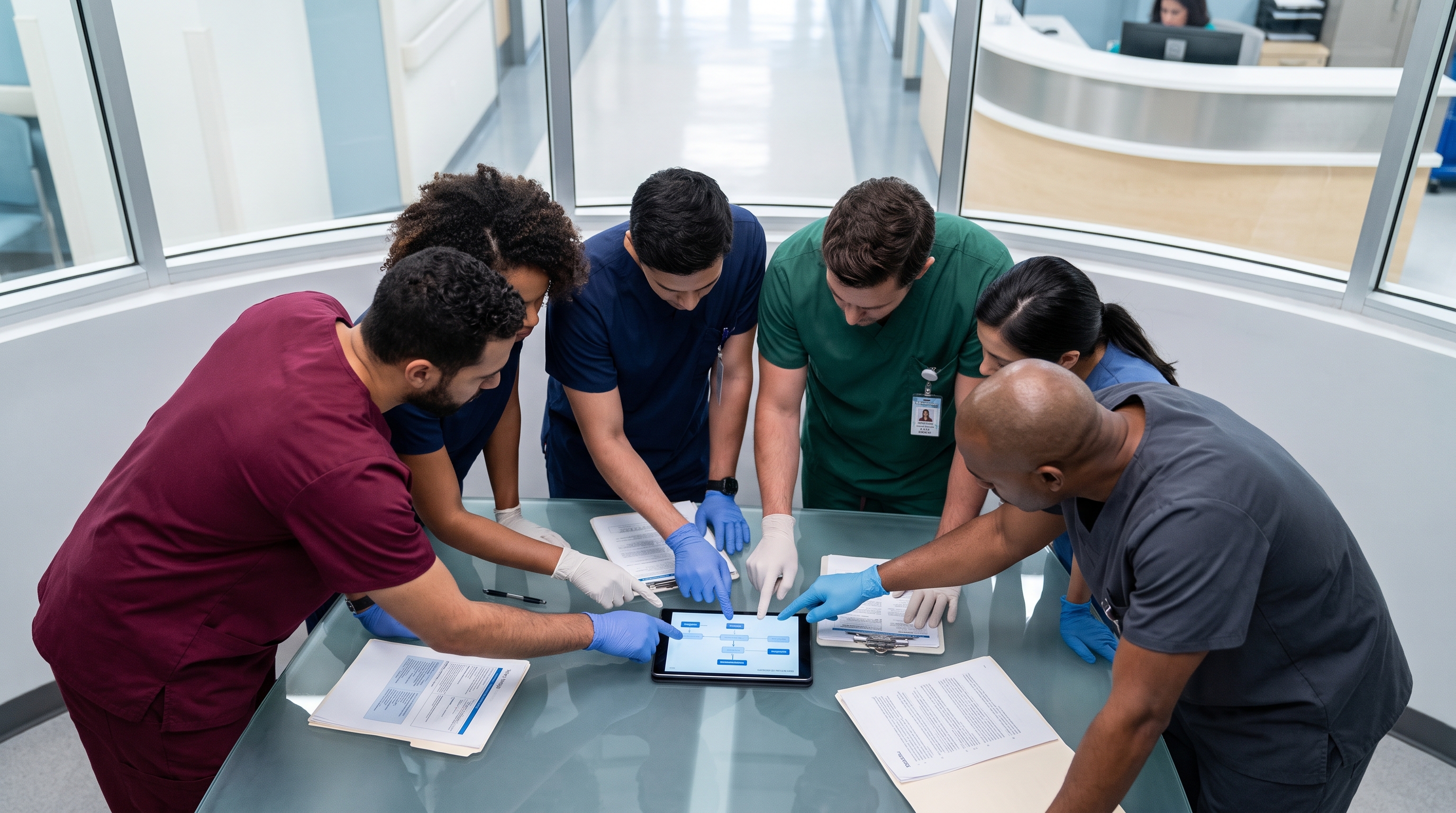
Ophthalmology surgery center staff reviewing emergency equipment and response protocols at crash cart location


Third, clearly accessible emergency equipment. The AED, crash cart, oxygen, suction, and airway adjuncts should be in a fixed, known, unlocked location. Staff turnover is a constant in many practices, and orientation for new staff must include a physical walkthrough of emergency equipment locations — not merely a notation in the employee handbook.


Lessons from Analogous Outpatient Settings

Ophthalmology is not the only specialty that has grappled with emergency preparedness in an outpatient or non-hospital environment. Dental practices, for example, have a well-established framework for BLS and ACLS preparedness driven by the use of procedural sedation and local anesthetics that carry systemic risk. Our article on the importance of BLS and ACLS for dental practices draws many direct parallels — similar patient populations, similar sedation profiles, similar geographic distance from emergency hospital services.


Ambulatory surgery centers more broadly — covering specialties from orthopedics to GI to urology — have also developed robust emergency preparedness frameworks. The ACLS essentials for ambulatory surgery center staff article outlines how ASC teams can extend their preparedness beyond BLS into advanced cardiac life support, an important consideration for any facility that performs procedures on higher-risk patients or uses deeper levels of sedation.


The through-line across all of these specialties is the same: outpatient does not mean low-risk. It means distance from the resources that hospitals have at their immediate disposal. That distance makes BLS-certified staff — and the capacity to act independently for the first several minutes of a life-threatening emergency — even more essential, not less.


Special Considerations for the Elderly Ophthalmic Patient

Because the ophthalmic ASC population skews so heavily toward older adults, BLS providers in this setting benefit from a deeper understanding of how cardiac emergencies present differently in seniors. Atypical presentations of acute coronary syndrome — nausea, fatigue, dyspnea without chest pain — are more common in the elderly and in women. An older patient complaining of feeling unwell or asking to lie down may be experiencing a STEMI, not simply procedural anxiety.


Elderly patients also often have altered baseline physiology that affects BLS technique. Osteoporosis increases the risk of rib fractures during compressions, but this should never be a reason to reduce compression depth — effective compressions at the correct depth are non-negotiable for survival, and a rib fracture is a survivable injury. Staff trained in BLS understand this tradeoff and are equipped to act decisively. For additional context on cardiac complications in older patients, our article on senior health and cardiac issues in the elderly provides a thorough clinical overview.


The preoperative screening process in ophthalmology is also a critical safety lever. Appropriate risk stratification before a procedure — identifying patients with recent cardiac events, decompensated heart failure, or poorly controlled arrhythmias — can redirect high-risk individuals to hospital-based surgical environments where more intensive monitoring and resuscitation resources are immediately available. BLS readiness and preoperative screening work together as a dual defense.


Why Online BLS Certification Works for Eye Surgery Teams

One of the most common objections to comprehensive BLS certification across an entire ophthalmology practice team is logistics. A busy surgical practice cannot pull its entire staff — scrub techs, OR nurses, ophthalmic medical assistants, front desk personnel — off the schedule simultaneously to attend a half-day in-person course. The operational disruption is real, and it has historically led practices to certify only the minimum required staff.


Online BLS certification, developed and delivered by practicing emergency physicians, solves this problem directly. At Affordable ACLS, our BLS certification course is available for $59 — with recertification available at $49 — and is designed to be completed in one to two hours at whatever time and location works for the individual staff member. There are no scheduling conflicts, no group sessions to coordinate, and no facilities to book. An ophthalmic surgical technician can complete their certification on a Sunday evening and have a digital certificate in hand by Monday morning.


Our courses are developed based on current American Heart Association and ILCOR guidelines, which were most recently updated in 2025. Unlimited retakes are included with every enrollment, and our money-back guarantee ensures that your investment carries no risk. For individual providers preparing for their BLS exam, our BLS Certification Exam preparation guide provides a comprehensive study framework to ensure you are fully prepared before you sit for the assessment.


For practice managers and ASC administrators overseeing team-wide certification, Affordable ACLS offers group certification solutions that allow you to manage enrollment, track completion, and maintain compliance documentation for your entire team in one place. The ability to certify five staff members — or fifty — without pulling anyone off the clinical schedule is a significant operational advantage for a high-throughput surgical practice.


Building a Culture of Emergency Readiness in Your Practice

Certification is necessary but not sufficient. The goal is not a current BLS card on file — it is a team that responds to emergencies with the speed, coordination, and competence that saves lives. Building that culture requires intentional leadership and consistent reinforcement.


Start by making BLS certification a non-negotiable condition of employment for all clinical staff, not just credentialed providers. This message signals to your team that emergency preparedness is a shared responsibility and a core value of the practice — not a compliance task that only concerns nurses. When front desk staff, scribes, and ophthalmic assistants are all certified, your first responder capacity multiplies dramatically.


Incorporate emergency preparedness into staff meetings at least quarterly. Review the emergency response plan, confirm that everyone knows their assigned role, verify that all equipment is stocked and functional, and address any questions or gaps in confidence. The Anesthesia Patient Safety Foundation emphasizes that regular review of emergency protocols is among the most effective interventions for improving outcomes in outpatient procedural settings.


Create a no-fault culture around emergency drills. Staff should feel safe acknowledging gaps in their knowledge during a simulation — that is the exact purpose of the drill. Normalize the conversation about emergencies before they happen. Teams that talk openly about what they would do are better prepared to act when they must.


Finally, establish clear recertification tracking. BLS certifications are typically valid for two years, and in a busy practice, it is easy for an expiration to slip through. A simple spreadsheet or a dedicated compliance platform — used consistently — ensures that you never find yourself in a survey or an emergency with a lapsed certification. For additional strategies on recertification management, our guide to certification renewal timelines and online options covers everything busy clinicians need to know.


The Standard Your Patients Deserve

Ophthalmology is a field defined by precision, by the extraordinary care taken to protect one of the most delicate and irreplaceable organs in the human body. That same commitment to patient safety must extend to the systemic risks that walk through the door alongside every cataract patient, every intravitreal injection candidate, and every laser refractive surgery recipient.


BLS readiness in an eye surgery center is not an optional enhancement to a practice that is otherwise safe. It is the baseline standard that every patient implicitly expects when they agree to undergo an elective procedure in an outpatient setting. They are trusting you not only with their vision but with their life. That trust deserves a team that is trained, certified, drilled, and ready.


The barriers to achieving comprehensive BLS certification across your ophthalmology team have never been lower. With online certification available at an accessible price point, self-paced delivery that requires no scheduling disruption, and immediate digital credentialing upon completion, there is no logistical reason to delay. The question is not whether your team can afford to be BLS-certified. It is whether your patients can afford for them not to be.


Visit Affordable ACLS to explore BLS certification and recertification options for individuals and teams. Our courses were built by practicing emergency physicians who understand the demands of clinical work — because we live them every day. Get certified today, and ensure that the next time an emergency unfolds in your procedure room, your team is ready to respond.


ACLS Blogs

Ophthalmology and Eye Surgery Centers: Why BLS Readiness Is Critical for Outpatient Procedures

The Hidden Emergency Risk Inside Every Eye Surgery Center

There is a persistent myth in outpatient specialty care that because procedures appear minor, so too is the clinical risk. Nowhere is this assumption more dangerous than inside ophthalmology practices and ambulatory eye surgery centers (ASCs). A cataract extraction, an intravitreal injection, or a laser-assisted refractive procedure may take fewer than 20 minutes to perform, but the patient population walking through the door is often elderly, medically complex, and carrying a full portfolio of cardiovascular, pulmonary, and metabolic comorbidities that can escalate without warning.


When a patient loses consciousness, stops breathing, or goes into cardiac arrest in an outpatient ophthalmology setting, the proximity of a hospital emergency department does not save them. What saves them is a staff member who is trained, confident, and certified in Basic Life Support — and who can begin high-quality CPR within seconds while the AED is retrieved. BLS readiness in eye surgery centers is not a regulatory checkbox. It is a clinical imperative.

Ophthalmology ASC staff team practicing BLS emergency response including CPR and AED use on a training mannequin


This article examines why BLS preparedness is uniquely critical for ophthalmology and outpatient eye surgery settings, what the specific risk factors are, how to build a culture of emergency readiness, and how modern online certification makes it easier than ever for your entire team to stay credentialed without disrupting the clinical schedule.


Understanding Who Sits in the Procedure Chair

The single most important factor driving emergency risk inside an eye surgery center is the patient population itself. According to data from the Ophthalmology Management journal, the patient population at an ophthalmic ASC is predominantly seniors, the majority of whom carry underlying systemic disease. This is not incidental. It is structural.


Cataract surgery alone accounts for more than 3 million procedures performed in the United States each year, and the average patient is well into their 70s. Many of these patients are being managed for hypertension, coronary artery disease, heart failure, atrial fibrillation, chronic obstructive pulmonary disease, diabetes, or some combination of all of the above. Anticoagulants, beta-blockers, ACE inhibitors, and diuretics are standard medications in this population — and all of them can complicate an acute emergency response.


Anxiety about ophthalmic procedures is also remarkably common. Vasovagal syncope — a sudden drop in heart rate and blood pressure triggered by emotional stress, pain, or fear — is one of the most frequently reported acute events in outpatient ophthalmology settings. It can look like a simple fainting episode, but in a patient with underlying cardiac disease, it can precede or precipitate something far more serious. A staff that is BLS-trained recognizes the difference and responds accordingly.


Sedation and the Anatomy of an Outpatient Emergency

Many ophthalmic procedures are performed under monitored anesthesia care (MAC) or conscious sedation. While these are lighter forms of anesthesia than general intubation, they carry a distinct set of risks that are relevant to BLS providers. Respiratory depression from opioids and benzodiazepines, laryngospasm, oxygen desaturation, and aspiration are all documented complications in outpatient anesthesia settings.


Research published in the BJA Education journal on ophthalmic anesthesia updates confirms that patients with obstructive sleep apnea undergoing procedural sedation have significantly elevated odds of respiratory adverse events — approximately 1.65 times higher than the general population — and are more than three times as likely to require emergency airway interventions. Eye surgery centers that perform any volume of MAC-based procedures must treat airway management and bag-mask ventilation as realistic scenarios their staff will face.


Beyond sedation, ophthalmic nerve blocks — commonly used for cataract and vitreoretinal procedures — carry a low but non-zero risk of systemic complications. Brainstem anesthesia from inadvertent intravascular or subdural injection of local anesthetic can cause rapid-onset unconsciousness and respiratory arrest. Anaphylaxis to contrast agents, topical drops, or medications administered perioperatively is another documented trigger for acute emergencies requiring immediate BLS response. For further context on managing one of the most dangerous outpatient emergencies, our article on managing anaphylaxis in clinical settings offers a detailed breakdown of recognition and treatment steps.


What Regulations Actually Require — and Where They Fall Short

The Centers for Medicare and Medicaid Services (CMS) sets federal baseline requirements for ASC certification and reimbursement. Among those requirements is that a registered nurse must be available for emergency treatment whenever a patient is present in the facility — meaning on-premises and sufficiently free from other duties to respond rapidly. CMS and accrediting bodies such as the Joint Commission, AAAHC, and ACHC all require that clinical staff maintain current BLS certification and that the facility have documented emergency response protocols.


But regulatory minimums are not safety targets. They are floors, not ceilings. The industry consensus among ophthalmology ASC specialists is that best practice requires all clinical staff — not just nurses — to hold current BLS certification. Ophthalmic surgical technicians, ophthalmic assistants, front-desk staff who may be the first to encounter a collapsing patient in the waiting room, and scribes who work alongside providers during procedures should all be trained and certified. Emergency readiness is a team sport, and the weakest link determines outcomes.


It is also worth noting that regulatory compliance alone does not prepare staff to act under stress. A certification card is not the same as practiced competency. Emergency drills, scenario-based training, and regular recertification all contribute to muscle memory that activates when panic might otherwise paralyze. Our detailed guide on keeping your team compliance-ready with group certification solutions explores practical strategies for facilities managing certification at scale.


The BLS Skills That Matter Most in an Eye Surgery Center

Basic Life Support certification covers a focused set of skills that are precisely the ones needed in an ophthalmic outpatient emergency. Understanding what those skills are — and why they matter in this specific context — helps reinforce why certification is non-negotiable rather than optional.


High-Quality CPR

If a patient in the recovery area following a vitrectomy experiences sudden cardiac arrest, the survival window is measured in minutes. According to the Sudden Cardiac Arrest Foundation, approximately 350,000 people experience out-of-hospital cardiac arrest annually in the United States, and survival rates drop by 7–10% for every minute without CPR. An eye surgery center is, by classification, an outpatient setting — EMS response times average four to eight minutes in most urban areas, and considerably longer in suburban or rural locations. Every member of the clinical team must be capable of initiating and maintaining high-quality chest compressions immediately upon recognizing arrest.


The Adult Basic Life Support Algorithm provides the step-by-step framework that every certified provider should know reflexively: scene safety, unresponsiveness check, activation of emergency response, pulse and breathing check, compression initiation, AED attachment, and rhythm analysis. In an ophthalmology center, activating the emergency response system means calling 911 while a second staff member retrieves the AED and a third begins compressions.


AED Deployment

Every licensed ASC is required to have an automated external defibrillator on site. The value of having the device is zero if no one knows how to use it under stress. BLS certification ensures that staff can confidently power on the AED, attach electrode pads correctly, clear the patient during analysis and shock delivery, and resume compressions immediately post-shock. For a deeper review of AED function and proper use, our comprehensive guide to AEDs covers everything from pad placement to maintenance requirements.


Rescue Breathing and Airway Management

In a respiratory emergency — common in patients receiving MAC sedation — rescue breathing is the first priority. BLS-trained providers know how to open and maintain an airway using the head-tilt-chin-lift maneuver, deliver effective rescue breaths using a bag-valve-mask device, and recognize signs of airway obstruction. In a setting where anesthesia providers may not always be immediately present, this basic competency can be the bridge between respiratory arrest and full cardiac arrest.


Scenario Planning: Building Your Emergency Response System

Regulatory compliance tells you what documentation to maintain. Clinical preparedness tells you what to do in the first 90 seconds when a 74-year-old patient becomes unresponsive in the pre-op bay. These are different bodies of knowledge, and both are required.


Effective emergency preparedness in an ophthalmology ASC or office-based surgical suite includes several interlocking components. First, a written emergency response plan that defines roles explicitly. Who calls 911? Who retrieves the crash cart or AED? Who begins CPR? Who manages the door to guide EMS in? Ambiguity in a crisis costs seconds, and seconds cost lives. Roles should be pre-assigned, rehearsed, and reviewed at least annually.


Second, regular emergency drills. The Ophthalmology Management journal recommends that ASC staff conduct routine emergency drills that verify knowledge of emergency techniques, protocols, and the location and usage of emergency equipment. A drill is not a lecture. It is an active simulation that forces staff to move through the steps under conditions that partially replicate the cognitive load of a real event. Facilities that drill regularly have demonstrably faster and more organized responses when real emergencies occur.

Ophthalmology surgery center staff reviewing emergency equipment and response protocols at crash cart location


Third, clearly accessible emergency equipment. The AED, crash cart, oxygen, suction, and airway adjuncts should be in a fixed, known, unlocked location. Staff turnover is a constant in many practices, and orientation for new staff must include a physical walkthrough of emergency equipment locations — not merely a notation in the employee handbook.


Lessons from Analogous Outpatient Settings

Ophthalmology is not the only specialty that has grappled with emergency preparedness in an outpatient or non-hospital environment. Dental practices, for example, have a well-established framework for BLS and ACLS preparedness driven by the use of procedural sedation and local anesthetics that carry systemic risk. Our article on the importance of BLS and ACLS for dental practices draws many direct parallels — similar patient populations, similar sedation profiles, similar geographic distance from emergency hospital services.


Ambulatory surgery centers more broadly — covering specialties from orthopedics to GI to urology — have also developed robust emergency preparedness frameworks. The ACLS essentials for ambulatory surgery center staff article outlines how ASC teams can extend their preparedness beyond BLS into advanced cardiac life support, an important consideration for any facility that performs procedures on higher-risk patients or uses deeper levels of sedation.


The through-line across all of these specialties is the same: outpatient does not mean low-risk. It means distance from the resources that hospitals have at their immediate disposal. That distance makes BLS-certified staff — and the capacity to act independently for the first several minutes of a life-threatening emergency — even more essential, not less.


Special Considerations for the Elderly Ophthalmic Patient

Because the ophthalmic ASC population skews so heavily toward older adults, BLS providers in this setting benefit from a deeper understanding of how cardiac emergencies present differently in seniors. Atypical presentations of acute coronary syndrome — nausea, fatigue, dyspnea without chest pain — are more common in the elderly and in women. An older patient complaining of feeling unwell or asking to lie down may be experiencing a STEMI, not simply procedural anxiety.


Elderly patients also often have altered baseline physiology that affects BLS technique. Osteoporosis increases the risk of rib fractures during compressions, but this should never be a reason to reduce compression depth — effective compressions at the correct depth are non-negotiable for survival, and a rib fracture is a survivable injury. Staff trained in BLS understand this tradeoff and are equipped to act decisively. For additional context on cardiac complications in older patients, our article on senior health and cardiac issues in the elderly provides a thorough clinical overview.


The preoperative screening process in ophthalmology is also a critical safety lever. Appropriate risk stratification before a procedure — identifying patients with recent cardiac events, decompensated heart failure, or poorly controlled arrhythmias — can redirect high-risk individuals to hospital-based surgical environments where more intensive monitoring and resuscitation resources are immediately available. BLS readiness and preoperative screening work together as a dual defense.


Why Online BLS Certification Works for Eye Surgery Teams

One of the most common objections to comprehensive BLS certification across an entire ophthalmology practice team is logistics. A busy surgical practice cannot pull its entire staff — scrub techs, OR nurses, ophthalmic medical assistants, front desk personnel — off the schedule simultaneously to attend a half-day in-person course. The operational disruption is real, and it has historically led practices to certify only the minimum required staff.


Online BLS certification, developed and delivered by practicing emergency physicians, solves this problem directly. At Affordable ACLS, our BLS certification course is available for $59 — with recertification available at $49 — and is designed to be completed in one to two hours at whatever time and location works for the individual staff member. There are no scheduling conflicts, no group sessions to coordinate, and no facilities to book. An ophthalmic surgical technician can complete their certification on a Sunday evening and have a digital certificate in hand by Monday morning.


Our courses are developed based on current American Heart Association and ILCOR guidelines, which were most recently updated in 2025. Unlimited retakes are included with every enrollment, and our money-back guarantee ensures that your investment carries no risk. For individual providers preparing for their BLS exam, our BLS Certification Exam preparation guide provides a comprehensive study framework to ensure you are fully prepared before you sit for the assessment.


For practice managers and ASC administrators overseeing team-wide certification, Affordable ACLS offers group certification solutions that allow you to manage enrollment, track completion, and maintain compliance documentation for your entire team in one place. The ability to certify five staff members — or fifty — without pulling anyone off the clinical schedule is a significant operational advantage for a high-throughput surgical practice.


Building a Culture of Emergency Readiness in Your Practice

Certification is necessary but not sufficient. The goal is not a current BLS card on file — it is a team that responds to emergencies with the speed, coordination, and competence that saves lives. Building that culture requires intentional leadership and consistent reinforcement.


Start by making BLS certification a non-negotiable condition of employment for all clinical staff, not just credentialed providers. This message signals to your team that emergency preparedness is a shared responsibility and a core value of the practice — not a compliance task that only concerns nurses. When front desk staff, scribes, and ophthalmic assistants are all certified, your first responder capacity multiplies dramatically.


Incorporate emergency preparedness into staff meetings at least quarterly. Review the emergency response plan, confirm that everyone knows their assigned role, verify that all equipment is stocked and functional, and address any questions or gaps in confidence. The Anesthesia Patient Safety Foundation emphasizes that regular review of emergency protocols is among the most effective interventions for improving outcomes in outpatient procedural settings.


Create a no-fault culture around emergency drills. Staff should feel safe acknowledging gaps in their knowledge during a simulation — that is the exact purpose of the drill. Normalize the conversation about emergencies before they happen. Teams that talk openly about what they would do are better prepared to act when they must.


Finally, establish clear recertification tracking. BLS certifications are typically valid for two years, and in a busy practice, it is easy for an expiration to slip through. A simple spreadsheet or a dedicated compliance platform — used consistently — ensures that you never find yourself in a survey or an emergency with a lapsed certification. For additional strategies on recertification management, our guide to certification renewal timelines and online options covers everything busy clinicians need to know.


The Standard Your Patients Deserve

Ophthalmology is a field defined by precision, by the extraordinary care taken to protect one of the most delicate and irreplaceable organs in the human body. That same commitment to patient safety must extend to the systemic risks that walk through the door alongside every cataract patient, every intravitreal injection candidate, and every laser refractive surgery recipient.


BLS readiness in an eye surgery center is not an optional enhancement to a practice that is otherwise safe. It is the baseline standard that every patient implicitly expects when they agree to undergo an elective procedure in an outpatient setting. They are trusting you not only with their vision but with their life. That trust deserves a team that is trained, certified, drilled, and ready.


The barriers to achieving comprehensive BLS certification across your ophthalmology team have never been lower. With online certification available at an accessible price point, self-paced delivery that requires no scheduling disruption, and immediate digital credentialing upon completion, there is no logistical reason to delay. The question is not whether your team can afford to be BLS-certified. It is whether your patients can afford for them not to be.


Visit Affordable ACLS to explore BLS certification and recertification options for individuals and teams. Our courses were built by practicing emergency physicians who understand the demands of clinical work — because we live them every day. Get certified today, and ensure that the next time an emergency unfolds in your procedure room, your team is ready to respond.


blogs

More articles for you

all articles

Start Today!

Get certified at your own pace, on your schedule, from the comfort of your home.