ACLS Blogs

Drowning Resuscitation: How Modified ACLS and BLS Protocols Save Lives in Water Emergencies

When Every Second Counts: Drowning as a Unique Resuscitation Challenge

Drowning remains the third-leading cause of unintentional injury death worldwide, claiming an estimated 236,000 lives each year according to the World Health Organization. Yet the physiology of drowning is fundamentally different from sudden cardiac arrest caused by a primary heart event, and that distinction changes everything about how you respond. For healthcare professionals trained in Advanced Cardiac Life Support and Basic Life Support, recognizing when and how to modify standard protocols for a submersion victim can mean the difference between a full neurological recovery and a tragic outcome.


In November 2024, the American Heart Association and the American Academy of Pediatrics released a landmark Focused Update on Resuscitation Following Drowning, which for the first time consolidated all drowning-specific guidance into a single, dedicated chapter of the AHA Guidelines for CPR and Emergency Cardiovascular Care. The update introduced nine entirely new recommendations and revised two prior guidelines, all grounded in systematic reviews completed by the International Liaison Committee on Resuscitation between 2021 and 2023. For any clinician, paramedic, nurse, or first responder who works near water environments, understanding these modifications is no longer optional.
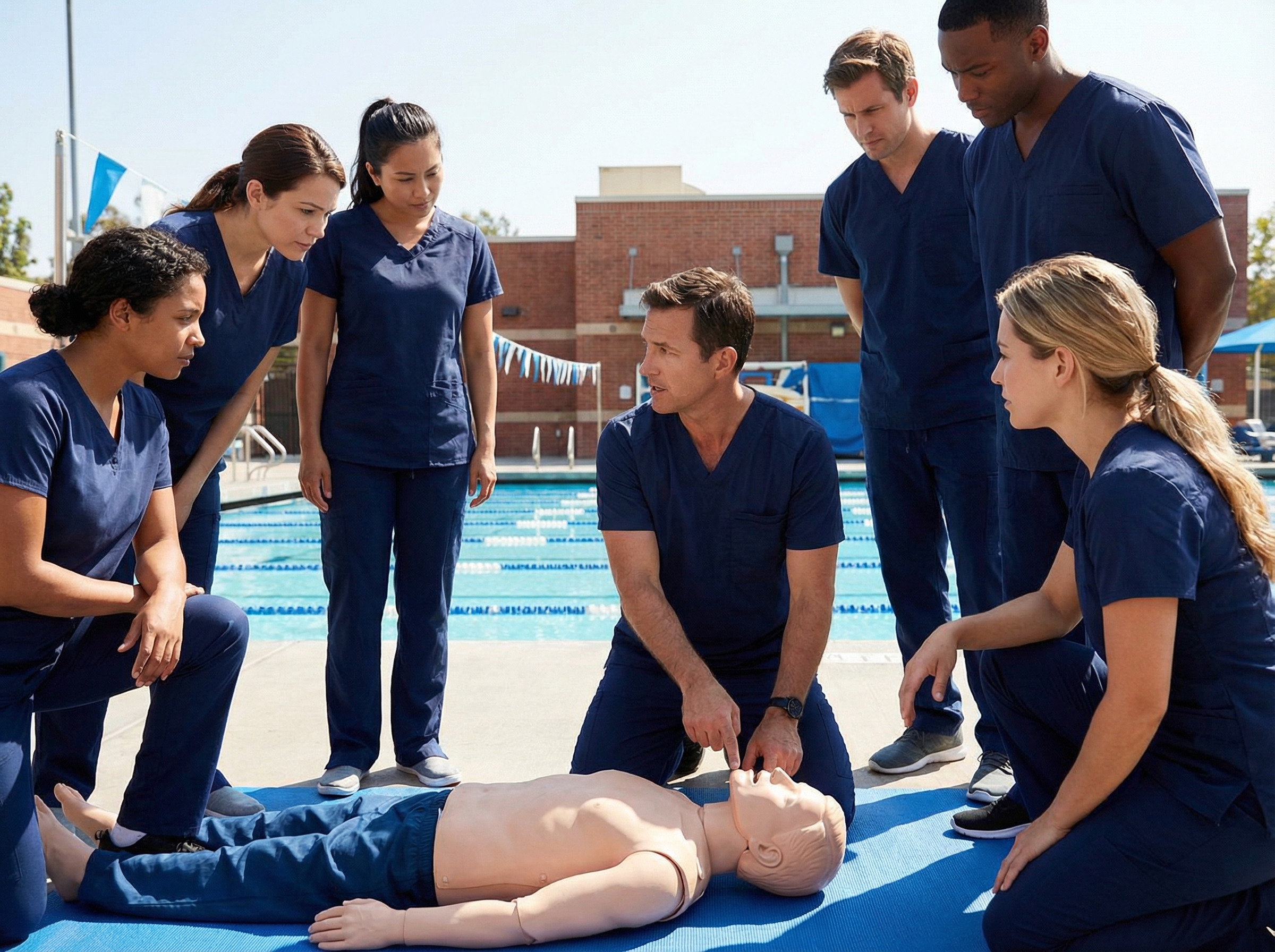
Healthcare team practicing drowning resuscitation rescue breaths on a training mannequin at poolside


This article walks through the core physiological principles of drowning, the critical protocol modifications that apply at every level of care from the water's edge to the ICU, and how your ACLS and BLS training directly applies to saving lives in aquatic emergencies. Knowing these nuances before you are standing at poolside or shoreside with a pulseless patient is the preparation that turns training into survival.


The Physiology of Drowning: Why Hypoxia Drives Everything

To understand why standard cardiac arrest protocols must be modified for drowning, you must first understand the mechanism. In a primary cardiac arrest from ventricular fibrillation, the heart fails first and oxygenation is secondarily disrupted. In drowning, the sequence is reversed. The victim aspirates water or laryngospasm prevents gas exchange, oxygen delivery to the myocardium drops precipitously, and the heart arrests secondarily as a result of profound hypoxia.


This hypoxia-first sequence has enormous clinical implications. It means that restoring oxygenation and ventilation is the primary intervention, not just a supporting one. Research consistently demonstrates that drowning victims who receive CPR inclusive of rescue breaths have significantly better survival outcomes than those who receive chest-compression-only CPR. The heart in a drowning arrest is generally structurally normal. Get oxygen back into the blood quickly enough, and it can restart and recover. Delay ventilation in favor of compressions alone, and you are fighting a losing battle against an already oxygen-depleted myocardium.


Additional physiological factors complicate the picture. Aspiration of even small amounts of water disrupts pulmonary surfactant, causes alveolar collapse, and creates significant ventilation-perfusion mismatch. Freshwater aspiration leads to osmotic fluid shifts into the alveoli; saltwater aspiration draws plasma proteins into the air spaces. Either way, the result is impaired oxygenation that can persist and worsen after the initial rescue. Hypothermia, which frequently accompanies submersion in cold water, adds another layer of complexity, altering cardiac conduction, slowing metabolism, and making the victim appear dead when they may still be viable. The long-held maxim in emergency medicine holds: a drowning victim is not dead until they are warm and dead.


BLS Protocol Modifications for Drowning Victims

Basic Life Support is almost always the first level of care applied to a drowning victim, whether delivered by a lifeguard, bystander, paramedic, or first-arriving nurse. The Adult Basic Life Support Algorithm provides the structural framework, but drowning requires deliberate modifications at several key decision points.


Prioritizing Rescue Breaths

The 2024 AHA/AAP Focused Update makes this explicit: for cardiac arrest following drowning, CPR with rescue breaths is strongly preferred over compression-only CPR. Trained rescuers should begin with five initial rescue breaths before starting chest compressions, departing from the standard 30:2 compression-to-ventilation ratio used in a typical cardiac arrest presentation. This initial ventilation sequence is intended to rapidly address the hypoxic state driving the arrest. According to the 2024 AHA/AAP Focused Update on Resuscitation Following Drowning, cardiac arrest following submersion is predominantly caused by severe hypoxia, making early ventilation the most critical intervention.


For lay rescuers who are unwilling or unable to provide rescue breaths, compression-only CPR is still far better than no CPR at all. But for any healthcare professional reading this article, comfort and proficiency with rescue breathing is a non-negotiable skill. Practicing and maintaining competency in bag-mask ventilation is equally critical at the BLS level. A solid understanding of Mastering Bag and Mask Ventilation translates directly to better patient outcomes when you are managing a semi-conscious or apneic submersion victim before advanced airway equipment is available.


In-Water Rescue Breathing

One of the genuinely new 2024 recommendations is the formal endorsement of in-water rescue breathing for trained rescuers. When a victim is still in the water and a trained rescuer can safely administer rescue breaths without compromising their own safety, the guidelines now support initiating ventilation before the victim has been brought to shore. This is particularly relevant for lifeguards and water rescue professionals who have been specifically trained in this technique.


This recommendation reflects the evidence that every minute without oxygen worsens neurological outcome. Shaving even sixty to ninety seconds off the time to first breath by beginning in-water resuscitation before shore removal can meaningfully improve prognosis in prolonged submersions. The key qualifier remains rescuer safety: in-water rescue breathing should never be attempted if it puts the rescuer at risk of becoming a second victim. The American Heart Association affirms that all people pulled from water after drowning should receive CPR with rescue breaths and chest compressions.


AED Considerations in Drowning

Automated External Defibrillator use in drowning victims requires a nuanced approach. The 2024 guidelines now recommend CPR first rather than AED first when a cardiac arrest follows drowning, particularly in situations where the submersion duration is known to have been prolonged. The rationale is consistent with the hypoxia-first physiology: restoring oxygenation through ventilation and compressions is more likely to be beneficial immediately than defibrillation of a severely hypoxic heart. If a shockable rhythm is identified and the victim has been adequately ventilated, the AED should absolutely be used. But the reflex to grab the AED before initiating CPR, appropriate in a witnessed collapse from primary VF, needs to be consciously modified when the presentation is drowning.


Practically speaking, before applying an AED to a drowning victim, ensure the chest is dried as much as feasible to allow proper pad adhesion and prevent arcing. Remove the victim from standing water before delivering a shock. These are straightforward logistical points but ones that require deliberate awareness in the chaos of an aquatic rescue.


ACLS Protocol Modifications for Drowning Victims

When the resuscitation escalates to the Advanced Cardiac Life Support level, whether in a hospital emergency department, an advanced EMS setting, or a pre-hospital advanced life support response, the same hypoxia-first principle continues to govern priorities. Understanding the Adult Cardiac Arrest Circular Algorithm helps contextualize where drowning-specific modifications plug into the broader ACLS framework.


Advanced Airway Management

Securing a definitive airway early is a higher priority in drowning resuscitation than in standard cardiac arrest management. Aspiration-related pulmonary damage means that effective bag-mask ventilation may become progressively more difficult as alveolar fluid accumulates and lung compliance drops. Positive pressure ventilation, once a definitive airway is secured, actively helps recruit collapsed alveoli and improve oxygenation.


Endotracheal intubation is indicated for patients who cannot protect their airway, have oxygen saturation below 90% despite supplemental oxygen, or show rising CO2 despite assisted ventilation. The full procedure and its clinical decision points are covered in depth in the guide on Endotracheal Intubation via Direct Laryngoscopy. In the drowning context, the addition of positive end-expiratory pressure through the ventilator after intubation is an important adjunct for managing aspiration-induced lung injury and improving arterial oxygen saturation. The clinical management guidelines published in StatPearls confirm that positive pressure ventilation opens alveoli and significantly improves oxygenation in drowning-related lung injury.


Oxygen Administration

The 2024 guidelines specifically address oxygen administration following drowning, recommending that supplemental oxygen be delivered as soon as it is available. For victims who have a pulse but are hypoxic, high-flow oxygen via non-rebreather mask is the first intervention. For victims in cardiac arrest, oxygen should be delivered during CPR as soon as a bag-mask device or advanced airway is in place.


An important nuance: while high-flow oxygen is appropriate in the acute resuscitation phase, once return of spontaneous circulation is achieved and the patient is being managed in a monitored setting, the guidelines recommend transitioning to lung-protective ventilation strategies and avoiding hyperoxia. Excessive oxygen delivery post-ROSC has been associated with worse neurological outcomes due to reperfusion injury mechanisms. Titrate to an SpO2 of 94 to 98% once the patient is stabilized.


Applying the Hs and Ts Framework to Drowning

The ACLS framework for identifying reversible causes of cardiac arrest, the Hs and Ts, is highly applicable to drowning resuscitation and provides a useful checklist for the team leader during a resuscitation. Sudden Cardiac Arrest: The Hs and Ts You Need to Know provides the complete framework, but several entries are especially prominent in the drowning context.


Hypoxia is not merely a possibility in drowning victims; it is the primary driver and must be aggressively addressed with every available ventilatory intervention. Hypothermia should be assumed in any prolonged submersion, particularly in cold water, and resuscitation efforts should be continued aggressively until the core temperature has been raised to at least 30 to 32 degrees Celsius. There is substantial evidence of meaningful neurological recovery in cold-water drowning victims who received prolonged resuscitation, particularly in pediatric cases. Hypovolemia can occur secondary to fluid shifts following aspiration, and tension pneumothorax, though less common, can result from barotrauma during aggressive positive pressure ventilation.


Managing Concurrent Hypothermia

Cold-water submersion introduces hypothermia as a simultaneous critical emergency requiring its own management track within the resuscitation. The core physiological principles and clinical decision-making framework are outlined in the guide on Understanding Hypothermia and Altered Mental Status in Emergency Medicine. For the drowning resuscitation team, the practical takeaways are as follows.


Hypothermia can cause cardiac rhythms to appear as asystole or fine ventricular fibrillation that may not be correctable until the core temperature is raised. Defibrillation attempts at very low core temperatures may be ineffective; some protocols recommend withholding further defibrillation attempts below 30 degrees Celsius after one or two initial shocks, focusing instead on active rewarming. Extracorporeal membrane oxygenation with extracorporeal warming is the gold-standard rewarming technique for patients with severe hypothermia in cardiac arrest at centers where it is available, offering the best outcomes for profoundly hypothermic drowning victims who have not responded to field resuscitation. The Medscape clinical review of drowning treatment emphasizes that ECMO with extracorporeal warming represents the most advanced intervention for refractory hypothermic cardiac arrest following submersion.
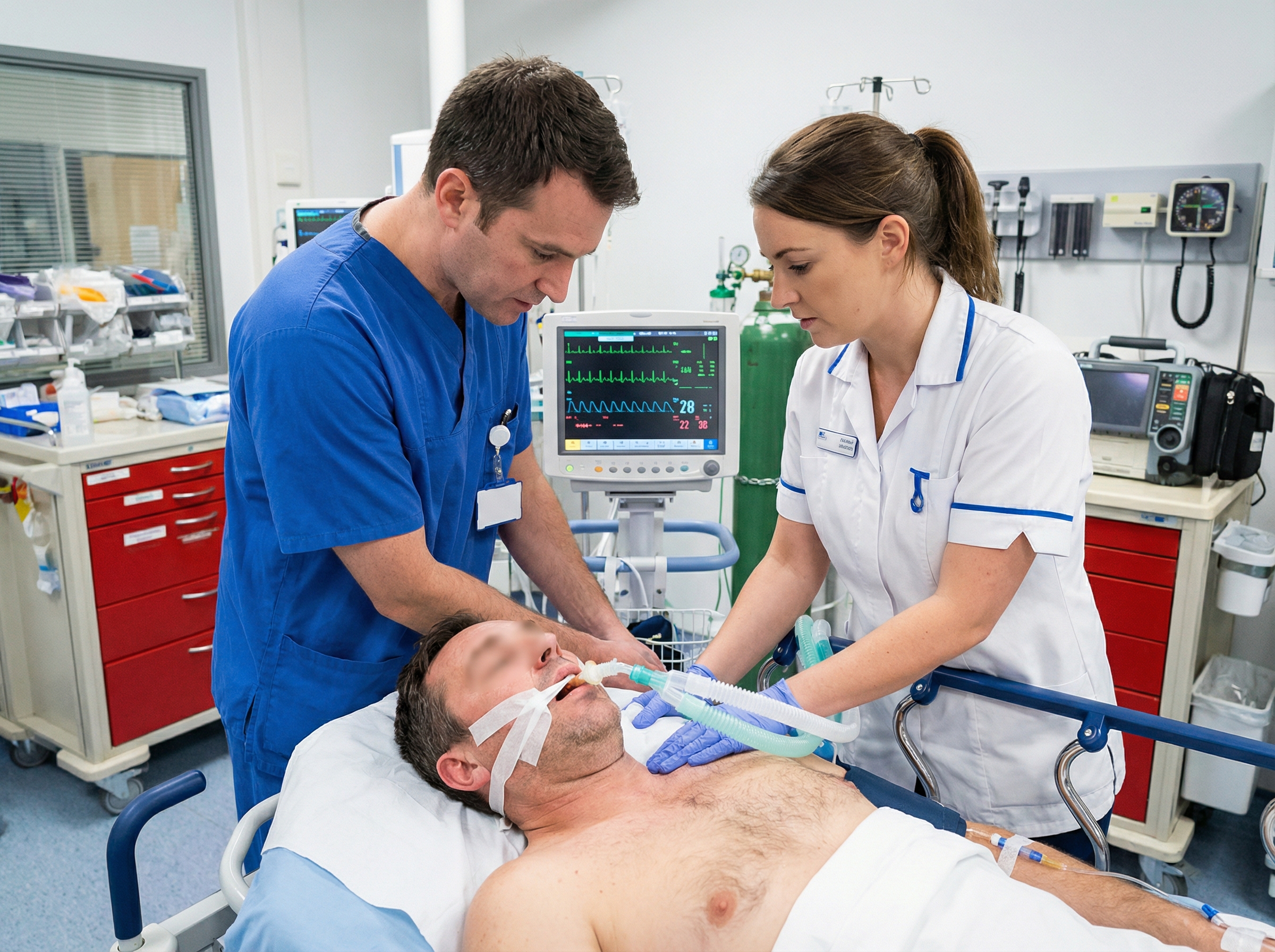
Emergency team managing intubated drowning victim with cardiac monitoring in the emergency department


Pediatric Drowning: Modified BLS and PALS Considerations

Children represent a disproportionate share of drowning victims globally, with home swimming pools, bathtubs, and open water bodies all presenting serious hazards. The same hypoxia-first principle applies in pediatric drowning, and the BLS and PALS modifications follow the same logic with age-appropriate adjustments to technique and drug dosing.


For pediatric BLS, the BLS Pediatric Cardiac Arrest Algorithm: A Multi-Rescuer Approach provides the foundational structure. In a child or infant drowning victim, the initial five rescue breaths take on even greater importance given the smaller functional residual capacity and faster rate of oxygen desaturation in pediatric patients. A child can progress from submersion to cardiac arrest faster than an adult, and neurological vulnerability is correspondingly high.


Pediatric drowning victims who survive submersion should be transported to the hospital for evaluation regardless of how well they appear at the scene. Delayed pulmonary edema from aspiration can develop over the hours following the initial event, and apparently stable children have been known to deteriorate suddenly. This is sometimes called secondary drowning in lay literature, though the medical community has moved away from that terminology in favor of more precise descriptions of post-immersion respiratory deterioration.


Prevention is an area where healthcare providers have an outsized impact. Even brief counseling conversations about pool fencing, swim lessons, life jacket use, and constant supervision near water can reduce drowning risk for pediatric patients significantly. The guide on Child Safety at Home: Recognizing Common Household Hazards and Emergency Response for Accidents provides a practical resource you can reference or share with families.


Managing Respiratory Arrest Before Full Cardiac Arrest

A critical window in drowning resuscitation exists in the period when the victim has lost consciousness and is apneic but still has a pulse. This is respiratory arrest, and immediate intervention at this stage can prevent the progression to full cardiac arrest entirely. The comprehensive guidance on Managing Respiratory Arrest covers the full clinical approach, and its principles apply directly here.


In practice, when a drowning victim is pulled from the water and found to be unresponsive but pulsatile, immediate rescue breathing is the intervention that can change the entire course of the event. Delivering effective ventilations every five to six seconds, maintaining the airway, and escalating to advanced airway management as needed can restore spontaneous respiration before cardiac function deteriorates. Every healthcare professional should be prepared to act in this window with confidence and skill, and the updated AHA guidance reaffirms that CPR with breaths is essential for cardiac arrest following drowning.


Transition to Hospital Care: What the Emergency Team Needs to Know

When a resuscitated drowning victim arrives in the emergency department, the receiving team inherits a complex clinical picture. Even patients who are awake and communicating after a submersion event require a minimum of four to six hours of observation, and those who required resuscitation should be admitted for close monitoring. Aspiration-related lung injury, neurological sequelae from hypoxic injury, cardiac arrhythmias, and hypothermia complications can all manifest or evolve over hours to days after the initial event.


Key priorities on arrival include: continuous pulse oximetry and cardiac monitoring, arterial blood gas analysis to quantify oxygenation and ventilation status, chest radiograph to assess aspiration and lung injury, core temperature measurement and active rewarming if hypothermia is present, and neurological assessment including Glasgow Coma Scale. Avoid routine antibiotic prophylaxis unless there is specific evidence of submersion in heavily contaminated water. Bronchospasm from aspiration should be treated with inhaled beta-adrenergic agonists.


For patients requiring intensive care, lung-protective ventilation strategies are the standard of care for aspiration-induced acute respiratory distress syndrome following drowning. Tidal volumes of 6 ml/kg of ideal body weight, plateau pressure management, and judicious use of PEEP to balance alveolar recruitment against barotrauma are the cornerstones of ventilator management in this population.


Training Preparedness: Why Your ACLS and BLS Certifications Matter More Than You Think

The gap between a standard cardiac arrest and a drowning-related cardiac arrest is not a gap in protocol familiarity alone. It is a gap in applied clinical judgment: the ability to recognize when the standard algorithm needs modification, and to execute that modification with confidence under pressure. That judgment is built through training, repetition, and continuing education.


Healthcare professionals who work in environments adjacent to water, including emergency departments, pediatric units, urgent care centers, and prehospital settings, carry a particular responsibility to stay current on drowning-specific resuscitation guidelines. The 2024 AHA focused update represents a meaningful evolution in how the medical community approaches these events, and that knowledge needs to be in your toolkit before the emergency arises, not discovered afterward.


Affordable ACLS offers 100% online, self-paced ACLS and BLS certification courses built on AHA and ILCOR-compliant content and developed by Board Certified Emergency Medicine physicians with over 20 years of combined clinical and academic experience. Whether you are earning initial certification or completing your recertification requirement, the curriculum is designed to translate directly into better patient care in exactly the kinds of high-stakes situations described in this article. ACLS certification is available at $99, BLS at $59, with recertification options at reduced rates, and all courses come with unlimited retakes and a money-back guarantee.


For clinicians who want the most current picture of how resuscitation guidelines are evolving across all domains, the overview of Key Changes in ACLS Guidelines for 2025 provides essential context and ensures your practice reflects the most recent evidence base.


Summary: Core Principles for Drowning Resuscitation

Drowning resuscitation is a domain where a clear mental model of the physiology directly translates to better decision-making under pressure. The following principles synthesize the key takeaways from this article:


  • Hypoxia drives everything. Airway and ventilation are the primary interventions. Rescue breaths are not optional for trained providers in drowning resuscitation.
  • Modify the algorithm deliberately. Five initial rescue breaths before compressions, CPR before AED in prolonged submersions, and aggressive airway management from the outset.
  • Cold water may preserve viability. Continue resuscitation in hypothermic drowning victims until the core temperature is adequately raised. Never declare death without active rewarming attempts.
  • Pediatric patients are especially vulnerable. Act faster, transport all submersion victims to hospital, and counsel families on prevention strategies.
  • Post-ROSC management matters. Avoid hyperoxia, use lung-protective ventilation, monitor for delayed pulmonary deterioration, and address arrhythmias from hypothermia and electrolyte disturbance.
  • Training converts protocol knowledge into clinical skill. Current, guideline-based ACLS and BLS certification ensures you apply these modifications correctly when it matters most.


Drowning emergencies are sudden, terrifying, and unforgiving of delay or misstep. The healthcare professionals who respond most effectively are those who have internalized not just the standard algorithms but the physiological reasoning behind the modifications those algorithms require in special circumstances. That foundation starts with training and is sustained by staying current with evolving guidelines. If your ACLS or BLS certification is approaching its renewal date, or if you are earning initial certification, Affordable ACLS is ready to support you with expert-developed, accessible online courses that prepare you for exactly these moments. Visit www.affordableacls.com or contact the team at 866-655-2157 to get started today.


ACLS Blogs

Drowning Resuscitation: How Modified ACLS and BLS Protocols Save Lives in Water Emergencies

When Every Second Counts: Drowning as a Unique Resuscitation Challenge

Drowning remains the third-leading cause of unintentional injury death worldwide, claiming an estimated 236,000 lives each year according to the World Health Organization. Yet the physiology of drowning is fundamentally different from sudden cardiac arrest caused by a primary heart event, and that distinction changes everything about how you respond. For healthcare professionals trained in Advanced Cardiac Life Support and Basic Life Support, recognizing when and how to modify standard protocols for a submersion victim can mean the difference between a full neurological recovery and a tragic outcome.


In November 2024, the American Heart Association and the American Academy of Pediatrics released a landmark Focused Update on Resuscitation Following Drowning, which for the first time consolidated all drowning-specific guidance into a single, dedicated chapter of the AHA Guidelines for CPR and Emergency Cardiovascular Care. The update introduced nine entirely new recommendations and revised two prior guidelines, all grounded in systematic reviews completed by the International Liaison Committee on Resuscitation between 2021 and 2023. For any clinician, paramedic, nurse, or first responder who works near water environments, understanding these modifications is no longer optional.

Healthcare team practicing drowning resuscitation rescue breaths on a training mannequin at poolside


This article walks through the core physiological principles of drowning, the critical protocol modifications that apply at every level of care from the water's edge to the ICU, and how your ACLS and BLS training directly applies to saving lives in aquatic emergencies. Knowing these nuances before you are standing at poolside or shoreside with a pulseless patient is the preparation that turns training into survival.


The Physiology of Drowning: Why Hypoxia Drives Everything

To understand why standard cardiac arrest protocols must be modified for drowning, you must first understand the mechanism. In a primary cardiac arrest from ventricular fibrillation, the heart fails first and oxygenation is secondarily disrupted. In drowning, the sequence is reversed. The victim aspirates water or laryngospasm prevents gas exchange, oxygen delivery to the myocardium drops precipitously, and the heart arrests secondarily as a result of profound hypoxia.


This hypoxia-first sequence has enormous clinical implications. It means that restoring oxygenation and ventilation is the primary intervention, not just a supporting one. Research consistently demonstrates that drowning victims who receive CPR inclusive of rescue breaths have significantly better survival outcomes than those who receive chest-compression-only CPR. The heart in a drowning arrest is generally structurally normal. Get oxygen back into the blood quickly enough, and it can restart and recover. Delay ventilation in favor of compressions alone, and you are fighting a losing battle against an already oxygen-depleted myocardium.


Additional physiological factors complicate the picture. Aspiration of even small amounts of water disrupts pulmonary surfactant, causes alveolar collapse, and creates significant ventilation-perfusion mismatch. Freshwater aspiration leads to osmotic fluid shifts into the alveoli; saltwater aspiration draws plasma proteins into the air spaces. Either way, the result is impaired oxygenation that can persist and worsen after the initial rescue. Hypothermia, which frequently accompanies submersion in cold water, adds another layer of complexity, altering cardiac conduction, slowing metabolism, and making the victim appear dead when they may still be viable. The long-held maxim in emergency medicine holds: a drowning victim is not dead until they are warm and dead.


BLS Protocol Modifications for Drowning Victims

Basic Life Support is almost always the first level of care applied to a drowning victim, whether delivered by a lifeguard, bystander, paramedic, or first-arriving nurse. The Adult Basic Life Support Algorithm provides the structural framework, but drowning requires deliberate modifications at several key decision points.


Prioritizing Rescue Breaths

The 2024 AHA/AAP Focused Update makes this explicit: for cardiac arrest following drowning, CPR with rescue breaths is strongly preferred over compression-only CPR. Trained rescuers should begin with five initial rescue breaths before starting chest compressions, departing from the standard 30:2 compression-to-ventilation ratio used in a typical cardiac arrest presentation. This initial ventilation sequence is intended to rapidly address the hypoxic state driving the arrest. According to the 2024 AHA/AAP Focused Update on Resuscitation Following Drowning, cardiac arrest following submersion is predominantly caused by severe hypoxia, making early ventilation the most critical intervention.


For lay rescuers who are unwilling or unable to provide rescue breaths, compression-only CPR is still far better than no CPR at all. But for any healthcare professional reading this article, comfort and proficiency with rescue breathing is a non-negotiable skill. Practicing and maintaining competency in bag-mask ventilation is equally critical at the BLS level. A solid understanding of Mastering Bag and Mask Ventilation translates directly to better patient outcomes when you are managing a semi-conscious or apneic submersion victim before advanced airway equipment is available.


In-Water Rescue Breathing

One of the genuinely new 2024 recommendations is the formal endorsement of in-water rescue breathing for trained rescuers. When a victim is still in the water and a trained rescuer can safely administer rescue breaths without compromising their own safety, the guidelines now support initiating ventilation before the victim has been brought to shore. This is particularly relevant for lifeguards and water rescue professionals who have been specifically trained in this technique.


This recommendation reflects the evidence that every minute without oxygen worsens neurological outcome. Shaving even sixty to ninety seconds off the time to first breath by beginning in-water resuscitation before shore removal can meaningfully improve prognosis in prolonged submersions. The key qualifier remains rescuer safety: in-water rescue breathing should never be attempted if it puts the rescuer at risk of becoming a second victim. The American Heart Association affirms that all people pulled from water after drowning should receive CPR with rescue breaths and chest compressions.


AED Considerations in Drowning

Automated External Defibrillator use in drowning victims requires a nuanced approach. The 2024 guidelines now recommend CPR first rather than AED first when a cardiac arrest follows drowning, particularly in situations where the submersion duration is known to have been prolonged. The rationale is consistent with the hypoxia-first physiology: restoring oxygenation through ventilation and compressions is more likely to be beneficial immediately than defibrillation of a severely hypoxic heart. If a shockable rhythm is identified and the victim has been adequately ventilated, the AED should absolutely be used. But the reflex to grab the AED before initiating CPR, appropriate in a witnessed collapse from primary VF, needs to be consciously modified when the presentation is drowning.


Practically speaking, before applying an AED to a drowning victim, ensure the chest is dried as much as feasible to allow proper pad adhesion and prevent arcing. Remove the victim from standing water before delivering a shock. These are straightforward logistical points but ones that require deliberate awareness in the chaos of an aquatic rescue.


ACLS Protocol Modifications for Drowning Victims

When the resuscitation escalates to the Advanced Cardiac Life Support level, whether in a hospital emergency department, an advanced EMS setting, or a pre-hospital advanced life support response, the same hypoxia-first principle continues to govern priorities. Understanding the Adult Cardiac Arrest Circular Algorithm helps contextualize where drowning-specific modifications plug into the broader ACLS framework.


Advanced Airway Management

Securing a definitive airway early is a higher priority in drowning resuscitation than in standard cardiac arrest management. Aspiration-related pulmonary damage means that effective bag-mask ventilation may become progressively more difficult as alveolar fluid accumulates and lung compliance drops. Positive pressure ventilation, once a definitive airway is secured, actively helps recruit collapsed alveoli and improve oxygenation.


Endotracheal intubation is indicated for patients who cannot protect their airway, have oxygen saturation below 90% despite supplemental oxygen, or show rising CO2 despite assisted ventilation. The full procedure and its clinical decision points are covered in depth in the guide on Endotracheal Intubation via Direct Laryngoscopy. In the drowning context, the addition of positive end-expiratory pressure through the ventilator after intubation is an important adjunct for managing aspiration-induced lung injury and improving arterial oxygen saturation. The clinical management guidelines published in StatPearls confirm that positive pressure ventilation opens alveoli and significantly improves oxygenation in drowning-related lung injury.


Oxygen Administration

The 2024 guidelines specifically address oxygen administration following drowning, recommending that supplemental oxygen be delivered as soon as it is available. For victims who have a pulse but are hypoxic, high-flow oxygen via non-rebreather mask is the first intervention. For victims in cardiac arrest, oxygen should be delivered during CPR as soon as a bag-mask device or advanced airway is in place.


An important nuance: while high-flow oxygen is appropriate in the acute resuscitation phase, once return of spontaneous circulation is achieved and the patient is being managed in a monitored setting, the guidelines recommend transitioning to lung-protective ventilation strategies and avoiding hyperoxia. Excessive oxygen delivery post-ROSC has been associated with worse neurological outcomes due to reperfusion injury mechanisms. Titrate to an SpO2 of 94 to 98% once the patient is stabilized.


Applying the Hs and Ts Framework to Drowning

The ACLS framework for identifying reversible causes of cardiac arrest, the Hs and Ts, is highly applicable to drowning resuscitation and provides a useful checklist for the team leader during a resuscitation. Sudden Cardiac Arrest: The Hs and Ts You Need to Know provides the complete framework, but several entries are especially prominent in the drowning context.


Hypoxia is not merely a possibility in drowning victims; it is the primary driver and must be aggressively addressed with every available ventilatory intervention. Hypothermia should be assumed in any prolonged submersion, particularly in cold water, and resuscitation efforts should be continued aggressively until the core temperature has been raised to at least 30 to 32 degrees Celsius. There is substantial evidence of meaningful neurological recovery in cold-water drowning victims who received prolonged resuscitation, particularly in pediatric cases. Hypovolemia can occur secondary to fluid shifts following aspiration, and tension pneumothorax, though less common, can result from barotrauma during aggressive positive pressure ventilation.


Managing Concurrent Hypothermia

Cold-water submersion introduces hypothermia as a simultaneous critical emergency requiring its own management track within the resuscitation. The core physiological principles and clinical decision-making framework are outlined in the guide on Understanding Hypothermia and Altered Mental Status in Emergency Medicine. For the drowning resuscitation team, the practical takeaways are as follows.


Hypothermia can cause cardiac rhythms to appear as asystole or fine ventricular fibrillation that may not be correctable until the core temperature is raised. Defibrillation attempts at very low core temperatures may be ineffective; some protocols recommend withholding further defibrillation attempts below 30 degrees Celsius after one or two initial shocks, focusing instead on active rewarming. Extracorporeal membrane oxygenation with extracorporeal warming is the gold-standard rewarming technique for patients with severe hypothermia in cardiac arrest at centers where it is available, offering the best outcomes for profoundly hypothermic drowning victims who have not responded to field resuscitation. The Medscape clinical review of drowning treatment emphasizes that ECMO with extracorporeal warming represents the most advanced intervention for refractory hypothermic cardiac arrest following submersion.

Emergency team managing intubated drowning victim with cardiac monitoring in the emergency department


Pediatric Drowning: Modified BLS and PALS Considerations

Children represent a disproportionate share of drowning victims globally, with home swimming pools, bathtubs, and open water bodies all presenting serious hazards. The same hypoxia-first principle applies in pediatric drowning, and the BLS and PALS modifications follow the same logic with age-appropriate adjustments to technique and drug dosing.


For pediatric BLS, the BLS Pediatric Cardiac Arrest Algorithm: A Multi-Rescuer Approach provides the foundational structure. In a child or infant drowning victim, the initial five rescue breaths take on even greater importance given the smaller functional residual capacity and faster rate of oxygen desaturation in pediatric patients. A child can progress from submersion to cardiac arrest faster than an adult, and neurological vulnerability is correspondingly high.


Pediatric drowning victims who survive submersion should be transported to the hospital for evaluation regardless of how well they appear at the scene. Delayed pulmonary edema from aspiration can develop over the hours following the initial event, and apparently stable children have been known to deteriorate suddenly. This is sometimes called secondary drowning in lay literature, though the medical community has moved away from that terminology in favor of more precise descriptions of post-immersion respiratory deterioration.


Prevention is an area where healthcare providers have an outsized impact. Even brief counseling conversations about pool fencing, swim lessons, life jacket use, and constant supervision near water can reduce drowning risk for pediatric patients significantly. The guide on Child Safety at Home: Recognizing Common Household Hazards and Emergency Response for Accidents provides a practical resource you can reference or share with families.


Managing Respiratory Arrest Before Full Cardiac Arrest

A critical window in drowning resuscitation exists in the period when the victim has lost consciousness and is apneic but still has a pulse. This is respiratory arrest, and immediate intervention at this stage can prevent the progression to full cardiac arrest entirely. The comprehensive guidance on Managing Respiratory Arrest covers the full clinical approach, and its principles apply directly here.


In practice, when a drowning victim is pulled from the water and found to be unresponsive but pulsatile, immediate rescue breathing is the intervention that can change the entire course of the event. Delivering effective ventilations every five to six seconds, maintaining the airway, and escalating to advanced airway management as needed can restore spontaneous respiration before cardiac function deteriorates. Every healthcare professional should be prepared to act in this window with confidence and skill, and the updated AHA guidance reaffirms that CPR with breaths is essential for cardiac arrest following drowning.


Transition to Hospital Care: What the Emergency Team Needs to Know

When a resuscitated drowning victim arrives in the emergency department, the receiving team inherits a complex clinical picture. Even patients who are awake and communicating after a submersion event require a minimum of four to six hours of observation, and those who required resuscitation should be admitted for close monitoring. Aspiration-related lung injury, neurological sequelae from hypoxic injury, cardiac arrhythmias, and hypothermia complications can all manifest or evolve over hours to days after the initial event.


Key priorities on arrival include: continuous pulse oximetry and cardiac monitoring, arterial blood gas analysis to quantify oxygenation and ventilation status, chest radiograph to assess aspiration and lung injury, core temperature measurement and active rewarming if hypothermia is present, and neurological assessment including Glasgow Coma Scale. Avoid routine antibiotic prophylaxis unless there is specific evidence of submersion in heavily contaminated water. Bronchospasm from aspiration should be treated with inhaled beta-adrenergic agonists.


For patients requiring intensive care, lung-protective ventilation strategies are the standard of care for aspiration-induced acute respiratory distress syndrome following drowning. Tidal volumes of 6 ml/kg of ideal body weight, plateau pressure management, and judicious use of PEEP to balance alveolar recruitment against barotrauma are the cornerstones of ventilator management in this population.


Training Preparedness: Why Your ACLS and BLS Certifications Matter More Than You Think

The gap between a standard cardiac arrest and a drowning-related cardiac arrest is not a gap in protocol familiarity alone. It is a gap in applied clinical judgment: the ability to recognize when the standard algorithm needs modification, and to execute that modification with confidence under pressure. That judgment is built through training, repetition, and continuing education.


Healthcare professionals who work in environments adjacent to water, including emergency departments, pediatric units, urgent care centers, and prehospital settings, carry a particular responsibility to stay current on drowning-specific resuscitation guidelines. The 2024 AHA focused update represents a meaningful evolution in how the medical community approaches these events, and that knowledge needs to be in your toolkit before the emergency arises, not discovered afterward.


Affordable ACLS offers 100% online, self-paced ACLS and BLS certification courses built on AHA and ILCOR-compliant content and developed by Board Certified Emergency Medicine physicians with over 20 years of combined clinical and academic experience. Whether you are earning initial certification or completing your recertification requirement, the curriculum is designed to translate directly into better patient care in exactly the kinds of high-stakes situations described in this article. ACLS certification is available at $99, BLS at $59, with recertification options at reduced rates, and all courses come with unlimited retakes and a money-back guarantee.


For clinicians who want the most current picture of how resuscitation guidelines are evolving across all domains, the overview of Key Changes in ACLS Guidelines for 2025 provides essential context and ensures your practice reflects the most recent evidence base.


Summary: Core Principles for Drowning Resuscitation

Drowning resuscitation is a domain where a clear mental model of the physiology directly translates to better decision-making under pressure. The following principles synthesize the key takeaways from this article:


  • Hypoxia drives everything. Airway and ventilation are the primary interventions. Rescue breaths are not optional for trained providers in drowning resuscitation.
  • Modify the algorithm deliberately. Five initial rescue breaths before compressions, CPR before AED in prolonged submersions, and aggressive airway management from the outset.
  • Cold water may preserve viability. Continue resuscitation in hypothermic drowning victims until the core temperature is adequately raised. Never declare death without active rewarming attempts.
  • Pediatric patients are especially vulnerable. Act faster, transport all submersion victims to hospital, and counsel families on prevention strategies.
  • Post-ROSC management matters. Avoid hyperoxia, use lung-protective ventilation, monitor for delayed pulmonary deterioration, and address arrhythmias from hypothermia and electrolyte disturbance.
  • Training converts protocol knowledge into clinical skill. Current, guideline-based ACLS and BLS certification ensures you apply these modifications correctly when it matters most.


Drowning emergencies are sudden, terrifying, and unforgiving of delay or misstep. The healthcare professionals who respond most effectively are those who have internalized not just the standard algorithms but the physiological reasoning behind the modifications those algorithms require in special circumstances. That foundation starts with training and is sustained by staying current with evolving guidelines. If your ACLS or BLS certification is approaching its renewal date, or if you are earning initial certification, Affordable ACLS is ready to support you with expert-developed, accessible online courses that prepare you for exactly these moments. Visit www.affordableacls.com or contact the team at 866-655-2157 to get started today.


blogs

More articles for you

all articles

Start Today!

Get certified at your own pace, on your schedule, from the comfort of your home.