ACLS Blogs

ACLS for Interventional Radiology Suites: Managing Vasovagal and Contrast-Related Cardiac Events

When the IR Suite Becomes a Code Blue Scene

Interventional radiology suites occupy a unique and often underappreciated space in the hospital emergency ecosystem. Unlike a traditional operating room with an anesthesiologist at the head of the table, or an emergency department staffed specifically for resuscitation, the IR suite blends procedural precision with a real and ever-present risk of acute cardiovascular collapse. Contrast media administration, conscious sedation, prolonged patient positioning, and the emotional stress of invasive procedures all converge to create an environment where vasovagal reactions and contrast-related cardiac events are not theoretical — they are occupational realities.


For interventional radiologists, IR nurses, and technologists, the question is not if a cardiac event will occur, but whether the team is prepared when it does. This article walks through the physiology, recognition, and ACLS-aligned management of the two most common hemodynamic emergencies in the IR suite: vasovagal reactions and contrast-related adverse cardiac events — including anaphylaxis-driven cardiovascular collapse. If your team has not recently reviewed these protocols, this is the refresher you need.

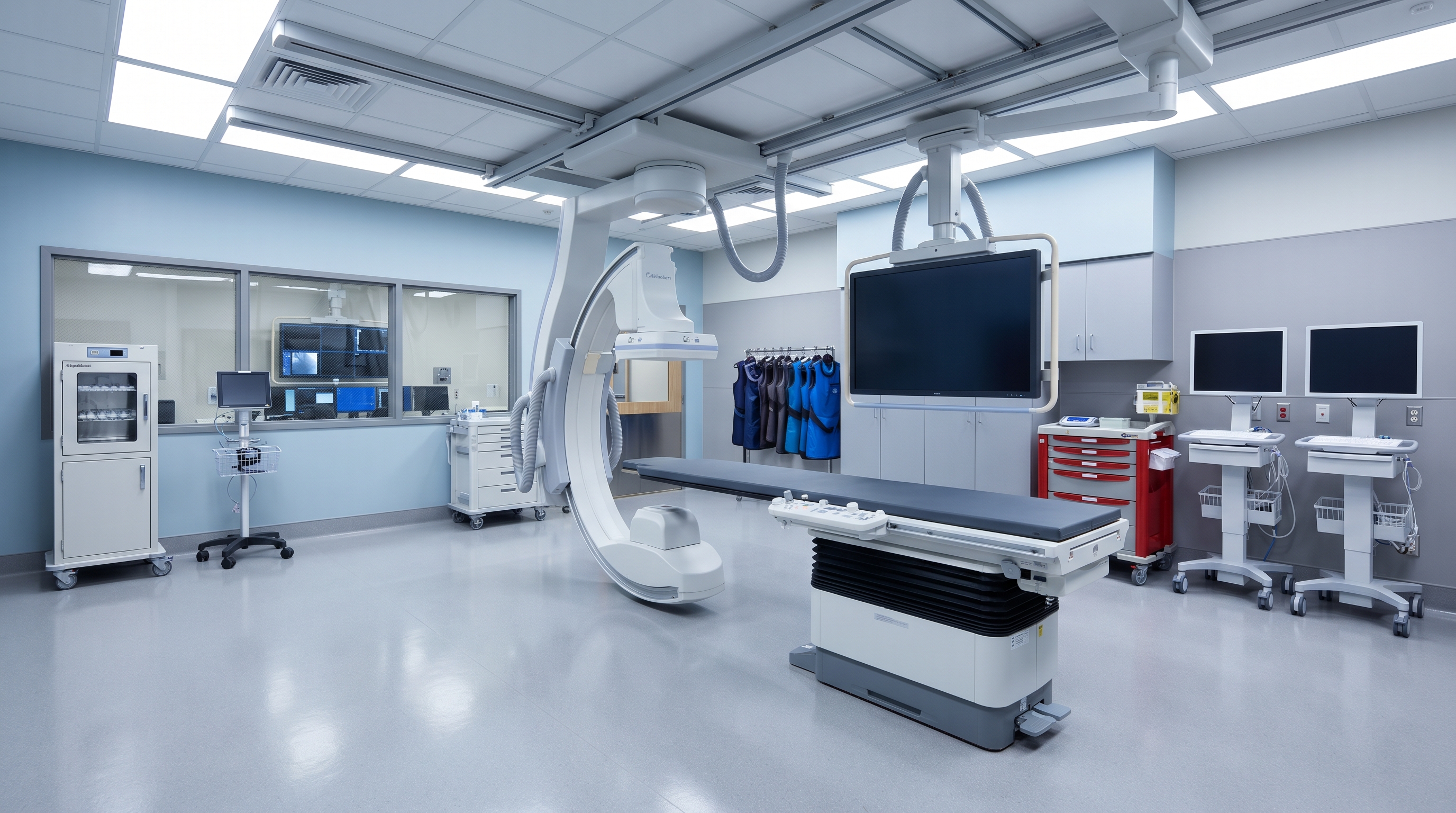
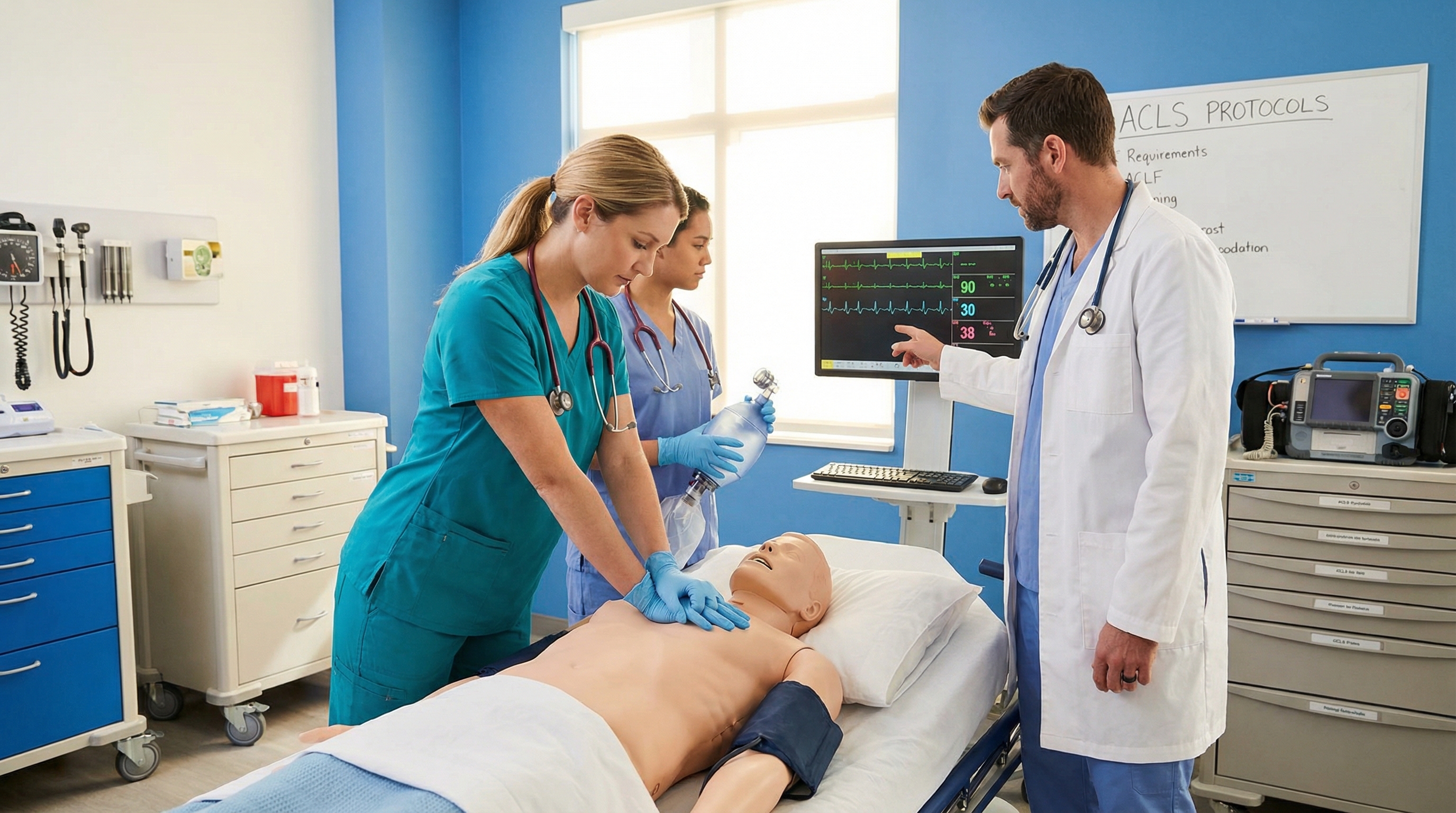
Interventional radiology team reviewing emergency response protocols in an IR suite


Why Interventional Radiology Demands Specialized Emergency Readiness

The IR suite is not your typical clinical environment. Patients arrive for procedures ranging from arterial embolization and PICC line placement to biliary drainage, nephrostomy, and peripheral vascular interventions. Many of these patients are elderly, medically complex, and already hemodynamically marginal. Add iodinated contrast media to the picture — often injected in large boluses — and you have a setting where cardiovascular events can escalate with startling speed.


According to Society of Interventional Radiology resource and environment standards, an IR suite should have at least three nonphysician healthcare practitioners present per suite during procedures, with immediate access to resuscitation equipment and personnel trained in ACLS. Yet in many community hospitals, the IR team functions with lean staffing, and resuscitation readiness can lag behind procedural proficiency. That gap is precisely where ACLS training closes the distance between a good outcome and a preventable death.


The parallel challenges in the cardiac catheterization lab are instructive here. Both environments share contrast exposure, procedural stress, and the need for rapid arrhythmia recognition — but the IR suite adds a layer of complexity in that the interventional radiologist may be the only physician present, and the full weight of emergency leadership falls on that one provider.


Vasovagal Reactions in the IR Suite: Recognition and Immediate Response

A vasovagal reaction is a neurally mediated reflex arc in which the autonomic nervous system — specifically the vagus nerve — triggers sudden bradycardia and vasodilation, producing a dramatic but often reversible drop in cardiac output. In the interventional radiology context, vasovagal reactions are typically triggered by procedural pain, anxiety, the physical sensation of contrast injection, or prolonged supine positioning. They are among the most common acute adverse events in the IR suite and are frequently misidentified or confused with contrast hypersensitivity reactions.


The cardinal sign distinguishing a vasovagal reaction from anaphylaxis is the heart rate response to hypotension. In a vasovagal event, hypotension is accompanied by bradycardia — heart rate below 60 bpm. Anaphylaxis, by contrast, produces hypotension with tachycardia (HR greater than 100 bpm) as the body attempts to compensate. This distinction is clinically critical because the first-line treatments diverge sharply: atropine for vasovagal, epinephrine for anaphylaxis.


Recognizing the Full Clinical Picture

Beyond the bradycardia-hypotension pairing, vasovagal reactions in the IR suite typically present with a prodrome the alert team can catch early: pallor, diaphoresis, nausea, complaints of warmth or lightheadedness, and sometimes yawning or sighing. Patients may lose consciousness briefly. On the monitor, you will see the heart rate dropping — often precipitously — followed by systolic blood pressure falling below 90 mmHg. ST-segment changes can sometimes be observed, particularly in older patients with underlying coronary disease, making continuous ECG monitoring essential throughout every IR procedure.


Understanding the nuances of ECG rhythm changes during these events is a core ACLS competency. A review of symptomatic bradycardia recognition and treatment algorithms will sharpen your team's ability to correctly classify what is happening on the monitor within the first 30 seconds of deterioration — a timeframe that matters enormously in a suite without immediate backup.


Step-by-Step Management of a Vasovagal Event

The initial intervention is both simple and effective: place the patient in the Trendelenburg position (legs elevated approximately 60 degrees) to dump venous blood centrally and increase preload. Simultaneously, stop any contrast infusion, switch the IV line to a crystalloid bolus (normal saline or lactated Ringer's), and apply supplemental oxygen at 6 to 10 L/min via face mask. Most mild vasovagal reactions will resolve with this maneuver alone within one to two minutes.


For moderate reactions that do not resolve with positioning and fluids, the next step is atropine 0.6 to 1.0 mg IV, repeated as needed up to a total cumulative dose of 3 mg. A critical dosing note: atropine doses below 0.5 mg are potentially paradoxically bradycardic in this clinical context and should be avoided. The goal is prompt vagal blockade. If the heart rate responds and blood pressure recovers, the patient can often continue or resume the procedure with close monitoring, though this decision requires clinical judgment by the attending physician.

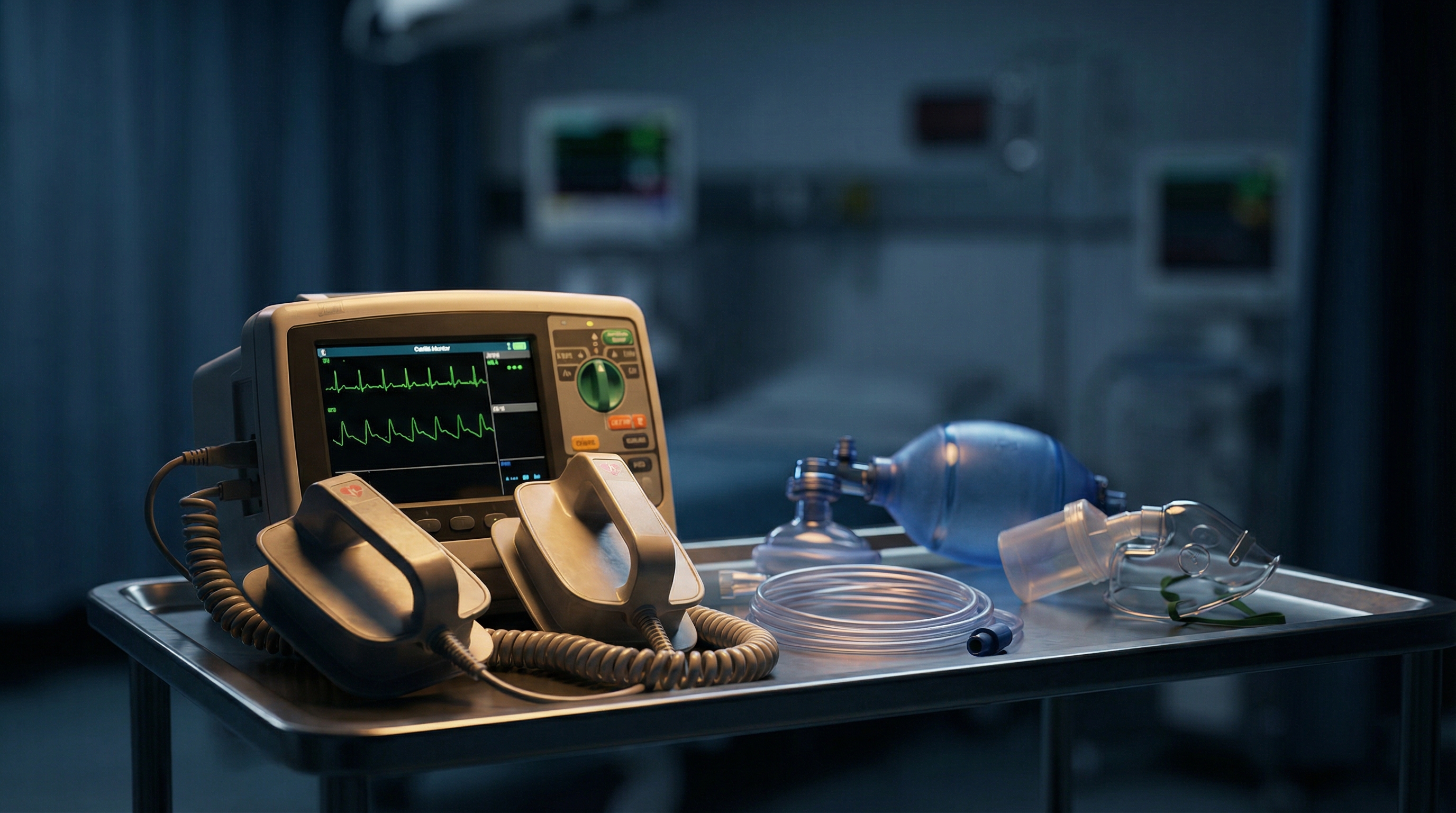
IR nurse preparing atropine injection for vasovagal bradycardia treatment in the IR suite


Severe vasovagal reactions — those with profound bradycardia unresponsive to atropine, or progression to asystole — require immediate escalation to full ACLS protocols. This means calling a code, initiating CPR if the patient loses a pulse, considering transcutaneous pacing, and administering epinephrine 1 mg IV per the pulseless arrest algorithm. The IR team must not hesitate to activate the rapid response or code team at this point. Knowing exactly when to make that call — and who makes it — should be drilled in advance. The structure of an effective mock code program applies directly to IR suite readiness, and IR-specific contrast reaction scenarios should be incorporated into every facility's simulation calendar.


Contrast-Related Cardiac Events: A Spectrum from Urticaria to Cardiac Arrest

Iodinated contrast media can trigger adverse reactions through two distinct mechanisms. The first is a direct physiologic or osmotic effect on the cardiovascular system — causing transient arrhythmias, vasodilation, or myocardial depression, particularly with older ionic contrast agents. The second and more dangerous mechanism is an immune-mediated or pseudoallergic response that can produce anaphylaxis regardless of prior contrast exposure. Both mechanisms can rapidly threaten hemodynamic stability, and the IR team must be able to classify and respond to them in real time.


The ACR Manual on Contrast Media classifies contrast reactions as mild (self-limited symptoms requiring observation only), moderate (symptoms requiring treatment), and severe (life-threatening events requiring immediate aggressive intervention). Cardiac events predominantly cluster in the moderate-to-severe category and require the IR team to move from procedural to emergency mode without delay. Severe contrast reactions occur in approximately 0.01 to 0.1 percent of iodinated contrast administrations, but given the volume of IR procedures performed annually, this represents a meaningful absolute number of events.


Recognizing Anaphylaxis vs. Vasovagal: The Critical Distinction

The most dangerous contrast reaction is anaphylaxis — a severe, systemic immune response that causes distributive shock. Anaphylaxis presents with hypotension and tachycardia, often accompanied by urticaria, angioedema, bronchospasm, stridor, or a sense of impending doom. The tachycardia is the key differentiator from vasovagal reaction. Patients may simultaneously exhibit cutaneous (flushing, hives), respiratory (wheeze, shortness of breath), and cardiovascular (hypotension, arrhythmia) manifestations. Any one of these systems involved in the context of contrast exposure should raise immediate concern for an anaphylactic process.


Epinephrine is the cornerstone of anaphylaxis management and should not be delayed. The dose is 0.3 to 0.5 mg intramuscularly in the lateral thigh (1:1,000 concentration) for initial treatment. In cases of cardiovascular collapse, IV epinephrine is required — typically 0.1 mg (1 mL of 1:10,000) slow IV push, titrated to effect. This is precisely the scenario covered in ACLS management of anaphylaxis in clinical settings, and every IR team member should be fluent in epinephrine dosing, route selection, and the timing of repeat doses.


Direct Contrast-Induced Arrhythmias

Beyond anaphylaxis, contrast media can directly produce transient arrhythmias through several mechanisms. High-osmolality ionic agents are more arrhythmogenic than modern low-osmolality nonionic agents, but any contrast injection can trigger bradyarrhythmias including sinus bradycardia and first-degree AV block, ventricular ectopy including premature ventricular contractions, and rarely ventricular fibrillation — particularly during aortic root or coronary injections. The immediate management follows standard ACLS algorithms: the bradycardia algorithm for symptomatic slowing, and immediate defibrillation for shockable rhythms.


Continuous cardiac monitoring throughout the procedure is not optional — it is the early warning system that gives the team seconds to act before an arrhythmia becomes hemodynamically significant. Defibrillation pads should be placed prophylactically on any patient undergoing a high-risk IR procedure. Many IR suites now maintain a crash cart with an automated external defibrillator or fully capable defibrillator/monitor within the procedural room itself, not just in the hallway outside.


The Essential Emergency Drug Inventory for the IR Suite

A well-stocked and immediately accessible contrast reaction kit is a regulatory and ethical requirement in any suite where contrast is administered. According to a 2025 consensus statement from the American College of Radiology and the American Academy of Allergy, Asthma, and Immunology, the kit should include drugs and supplies for the full spectrum from mild reactions to cardiac arrest. The ACR also provides a specific contrast reaction card that should be laminated and posted at every workstation where contrast is administered.


The core ACLS medications the IR team must know how to administer without hesitation include the following:


  • Epinephrine (1:1,000 and 1:10,000) — First-line for anaphylaxis; required for pulseless arrest
  • Atropine (0.6 to 1.0 mg IV) — First-line for symptomatic vasovagal bradycardia, up to 3 mg total
  • Diphenhydramine (25 to 50 mg IV) — Adjunct for urticaria and allergic skin reactions
  • Methylprednisolone (125 mg IV) — Adjunct for moderate-to-severe allergic reactions; delayed onset, not first-line
  • Albuterol (inhaled, 2 to 4 puffs) — Targeted treatment for bronchospasm component of anaphylaxis
  • Normal saline (1 liter bolus) — Volume resuscitation for distributive shock and vasovagal hypotension
  • Amiodarone (300 mg IV) — First-line antiarrhythmic for ventricular fibrillation or pulseless VT per ACLS algorithm
  • Adenosine (6 mg rapid IV push) — For stable supraventricular tachycardia unresponsive to vagal maneuvers

Knowing the drugs is one piece. Knowing the algorithms that govern when and how to use them is the other. This is the core value proposition of formal ACLS certification — it transforms a list of medications into a coherent, practiced decision tree the team can execute under stress. The additional context provided by reviewing ACLS preparedness for contrast and chemotherapy reaction settings is especially relevant for IR teams who may cross-cover infusion or oncology procedure areas within the same department.


Team Roles and Communication During an IR Suite Emergency

When a patient deteriorates during an IR procedure, the physical environment becomes a logistical challenge. Fluoroscopy equipment, sterile drape setups, radiation barriers, and narrow procedural tables all compete for space with resuscitation efforts. A team that has not practiced emergency roles in the IR suite may find itself crowded and confused at exactly the wrong moment.


Clear role assignment is a foundational ACLS principle. In the IR suite, the interventional radiologist typically assumes the team leader role — calling the emergency, directing medications, and overseeing CPR quality. The IR nurse manages vascular access and medication administration. The technologist supports monitoring, calls for additional help, and retrieves the crash cart. A designated timekeeper and code recorder, per the best practices outlined in ACLS documentation standards for code records, ensures accurate medication timing and event logging — which matters both for patient safety and medicolegal protection in the event of an adverse outcome.


Closed-loop communication must be drilled until it is automatic: the team leader calls out the order, the recipient repeats it back verbatim, confirms execution, and reports back when complete. In a high-noise IR environment — with monitors alarming, equipment cycling, and the procedural field technically still open — this discipline prevents medication errors and missed interventions. ACLS-trained teams consistently outperform non-trained teams in the clarity and speed of emergency response, and this performance gap is most apparent in unusual procedural environments like the IR suite.


Identifying and Pre-Planning for High-Risk Patients

Not all IR patients present equal cardiac risk during contrast administration. Proactive risk stratification before the procedure begins is a hallmark of the ACLS-competent IR team. Patients at elevated risk for vasovagal reactions include those with prior vasovagal history, significant procedural anxiety, dehydration, or prolonged NPO status. Patients at elevated risk for contrast hypersensitivity include those with prior moderate-to-severe contrast reactions, active asthma, or significant atopy — and this risk profile should be clearly visible to every member of the team before the first contrast injection is drawn up.


For patients with prior contrast reactions, a premedication regimen — typically oral prednisone at 13 hours, 7 hours, and 1 hour before contrast administration, combined with oral diphenhydramine 1 hour prior — can substantially reduce reaction risk according to ACR guidelines. The interventional radiologist has authority to modify premedication protocols based on clinical circumstances, a flexibility acknowledged in current ACR recommendations specifically for IR settings. However, premedication reduces but does not eliminate risk, and full emergency preparedness must be maintained regardless of pretreatment status.


For high-risk patients, consider placing defibrillation pads before contrast injection, establishing two large-bore IV lines, and ensuring a second trained staff member is physically present (not just available down the hall) for the duration of contrast administration. The concept of procedure-specific emergency planning — rehearsed in advance for the specific patient and procedure on the schedule that day — is central to what ACLS essentials training for procedural settings identifies as the modern standard of care for any interventional environment.


When Bradycardia Does Not Respond: Transcutaneous Pacing in the IR Suite

A small but clinically important subset of vasovagal events will not respond adequately to atropine — particularly in patients on beta-blockers, those with underlying sick sinus syndrome, or those in whom the vasovagal event itself triggers a high-degree AV block. When atropine fails and the patient remains hemodynamically unstable with a bradycardic rhythm, the next step in the ACLS bradycardia algorithm is transcutaneous pacing.


Transcutaneous pacing delivers electrical impulses through adhesive electrode pads placed on the anterior and posterior chest wall, capturing the myocardium and overriding the pathologically slow intrinsic rate. Capture is confirmed by observing a pacing spike followed by a wide QRS complex correlating with a palpable pulse. The IR suite should have a defibrillator with pacing capability immediately available, and at least one team member should be comfortable initiating pacing under physician direction. A detailed review of transcutaneous pacing indications and technique is an essential and often overlooked component of IR team ACLS preparedness.


Rare but Catastrophic: Cardiac Tamponade and Vagally Mediated Asystole

Two rare events in the IR setting deserve specific mention because of their severity and the specialized ACLS response they require. The first is cardiac tamponade — most commonly a consequence of vascular perforation during IR procedures rather than contrast itself, but presenting in the peri-procedural period with the classic triad of hypotension, muffled heart sounds, and jugular venous distension. The pulseless electrical activity algorithm should immediately raise tamponade as a reversible cause in any IR patient who arrests without a clearly identifiable shockable rhythm. Pericardiocentesis is the definitive intervention, and the recognition framework for pericardial effusion and cardiac tamponade is directly applicable to the IR procedural environment.


The second rare event is profound vagally mediated asystole — a dramatic presentation where the vasovagal reflex arc goes to completion and the heart temporarily stops. These events are typically brief and self-terminating if the patient is positioned correctly and atropine is administered without delay, but they are clinically indistinguishable from other causes of asystole in the first seconds. The ACLS asystole and PEA algorithm applies: confirm absence of pulse, begin high-quality CPR, administer epinephrine 1 mg IV every 3 to 5 minutes, and search systematically for reversible causes. The vagal etiology will usually become apparent as rhythm and pressure recover with treatment — making accurate documentation of the event timeline critically important for clinical and legal reasons.


ACLS Certification for the IR Team: Why Online Training Works

For interventional radiology teams, ACLS certification is not simply a credentialing checkbox — it is the difference between a coordinated emergency response and a chaotic one. The challenge for many IR departments is finding a certification pathway that accommodates the scheduling complexity of a busy procedural suite without compromising the depth of clinical knowledge required to manage real emergencies.


Online ACLS certification through Affordable ACLS, developed by board-certified emergency medicine physicians, offers exactly this flexibility. The course is fully aligned with AHA and ILCOR guidelines and covers all of the clinical scenarios most relevant to the IR suite: bradycardia and tachycardia algorithms, anaphylaxis management, defibrillation and AED protocols, airway management, and team dynamics. At $99 per provider — with group discounts available for facility-wide certification and an ACLS plus BLS bundle available at $123 — the cost barrier to maintaining a fully certified IR team is considerably lower than most department managers assume.


Group certification options allow IR medical directors and nursing managers to certify an entire team simultaneously, with centralized completion tracking and a money-back guarantee on every enrollment. When combined with facility-level simulation drills — including IR-specific mock contrast reaction scenarios — online ACLS certification forms a robust and practical foundation for emergency preparedness that fits the operational reality of a high-volume procedural department. Teams in procedurally intensive environments similar to the IR suite, including ambulatory surgery centers and procedural sedation settings, have successfully adopted this hybrid model. The published literature on emergency preparedness in the IR suite increasingly emphasizes that structured ACLS training — not ad hoc familiarity with protocols — is the distinguishing factor between prepared and unprepared IR teams.


Documentation During and After an IR Suite Emergency

In the immediate aftermath of a contrast reaction or vasovagal event, accurate and complete documentation is both a clinical and legal imperative. The timing of medication administration, the sequence of interventions, the patient's response at each step, and the involvement of any code team responders must all be captured contemporaneously. In an IR suite without a dedicated scribe, this responsibility typically falls on the circulating nurse — which is precisely why pre-assigning documentation roles before high-risk procedures is a meaningful and underutilized practice. Well-maintained code records protect the patient, the provider, and the facility alike, and the principles of effective code documentation translate directly from the emergency department to the IR suite.


Post-event debriefing is equally important and equally neglected in many procedural settings. After a contrast reaction or vasovagal event in the IR suite, the team should meet — ideally within 24 hours — to review the timeline, identify any gaps in recognition or response, and reinforce what went well. This structured debrief, borrowed from simulation medicine and formal ACLS training culture, is what converts a stressful event into a team learning opportunity. The goal is not blame assessment but systematic improvement in the IR suite's emergency culture — and it is one of the highest-yield investments a department can make in patient safety.


Conclusion: ACLS Competency Is Non-Negotiable in Interventional Radiology

The interventional radiology suite is, by its nature, a place where patients are pushed to the edge of their physiologic reserve. Contrast media, procedural stress, conscious sedation, and significant patient comorbidities combine to create an environment where the line between a successful procedure and a cardiac emergency can be razor thin. Vasovagal reactions and contrast-related adverse events are the most common hemodynamic threats — and both are manageable when the team is trained, equipped, and practiced in response protocols.


ACLS certification gives the IR team a shared clinical language, a set of practiced algorithms, and the confidence to act decisively in the seconds that matter. Whether you are an interventional radiologist leading a complex procedure, an IR nurse managing a patient's hemodynamics in real time, or a technologist who may be the first to notice a rhythm change on the monitor, your ACLS training is what converts situational awareness into effective action. According to Applied Radiology's guidance on contrast reaction management, prompt recognition and algorithm-driven treatment are the two variables most consistently associated with favorable outcomes — both of which depend directly on team training.


If your IR team's ACLS certifications are lapsed or inconsistent across staff members, now is the time to address it. Visit Affordable ACLS at affordableacls.com or call 866-655-2157 to learn about individual and group certification options designed for the scheduling realities of busy procedural teams. Your next contrast injection should be a diagnostic tool — not a cardiac emergency waiting for an undertrained team.


ACLS Blogs

ACLS for Interventional Radiology Suites: Managing Vasovagal and Contrast-Related Cardiac Events

When the IR Suite Becomes a Code Blue Scene

Interventional radiology suites occupy a unique and often underappreciated space in the hospital emergency ecosystem. Unlike a traditional operating room with an anesthesiologist at the head of the table, or an emergency department staffed specifically for resuscitation, the IR suite blends procedural precision with a real and ever-present risk of acute cardiovascular collapse. Contrast media administration, conscious sedation, prolonged patient positioning, and the emotional stress of invasive procedures all converge to create an environment where vasovagal reactions and contrast-related cardiac events are not theoretical — they are occupational realities.


For interventional radiologists, IR nurses, and technologists, the question is not if a cardiac event will occur, but whether the team is prepared when it does. This article walks through the physiology, recognition, and ACLS-aligned management of the two most common hemodynamic emergencies in the IR suite: vasovagal reactions and contrast-related adverse cardiac events — including anaphylaxis-driven cardiovascular collapse. If your team has not recently reviewed these protocols, this is the refresher you need.

Interventional radiology team reviewing emergency response protocols in an IR suite


Why Interventional Radiology Demands Specialized Emergency Readiness

The IR suite is not your typical clinical environment. Patients arrive for procedures ranging from arterial embolization and PICC line placement to biliary drainage, nephrostomy, and peripheral vascular interventions. Many of these patients are elderly, medically complex, and already hemodynamically marginal. Add iodinated contrast media to the picture — often injected in large boluses — and you have a setting where cardiovascular events can escalate with startling speed.


According to Society of Interventional Radiology resource and environment standards, an IR suite should have at least three nonphysician healthcare practitioners present per suite during procedures, with immediate access to resuscitation equipment and personnel trained in ACLS. Yet in many community hospitals, the IR team functions with lean staffing, and resuscitation readiness can lag behind procedural proficiency. That gap is precisely where ACLS training closes the distance between a good outcome and a preventable death.


The parallel challenges in the cardiac catheterization lab are instructive here. Both environments share contrast exposure, procedural stress, and the need for rapid arrhythmia recognition — but the IR suite adds a layer of complexity in that the interventional radiologist may be the only physician present, and the full weight of emergency leadership falls on that one provider.


Vasovagal Reactions in the IR Suite: Recognition and Immediate Response

A vasovagal reaction is a neurally mediated reflex arc in which the autonomic nervous system — specifically the vagus nerve — triggers sudden bradycardia and vasodilation, producing a dramatic but often reversible drop in cardiac output. In the interventional radiology context, vasovagal reactions are typically triggered by procedural pain, anxiety, the physical sensation of contrast injection, or prolonged supine positioning. They are among the most common acute adverse events in the IR suite and are frequently misidentified or confused with contrast hypersensitivity reactions.


The cardinal sign distinguishing a vasovagal reaction from anaphylaxis is the heart rate response to hypotension. In a vasovagal event, hypotension is accompanied by bradycardia — heart rate below 60 bpm. Anaphylaxis, by contrast, produces hypotension with tachycardia (HR greater than 100 bpm) as the body attempts to compensate. This distinction is clinically critical because the first-line treatments diverge sharply: atropine for vasovagal, epinephrine for anaphylaxis.


Recognizing the Full Clinical Picture

Beyond the bradycardia-hypotension pairing, vasovagal reactions in the IR suite typically present with a prodrome the alert team can catch early: pallor, diaphoresis, nausea, complaints of warmth or lightheadedness, and sometimes yawning or sighing. Patients may lose consciousness briefly. On the monitor, you will see the heart rate dropping — often precipitously — followed by systolic blood pressure falling below 90 mmHg. ST-segment changes can sometimes be observed, particularly in older patients with underlying coronary disease, making continuous ECG monitoring essential throughout every IR procedure.


Understanding the nuances of ECG rhythm changes during these events is a core ACLS competency. A review of symptomatic bradycardia recognition and treatment algorithms will sharpen your team's ability to correctly classify what is happening on the monitor within the first 30 seconds of deterioration — a timeframe that matters enormously in a suite without immediate backup.


Step-by-Step Management of a Vasovagal Event

The initial intervention is both simple and effective: place the patient in the Trendelenburg position (legs elevated approximately 60 degrees) to dump venous blood centrally and increase preload. Simultaneously, stop any contrast infusion, switch the IV line to a crystalloid bolus (normal saline or lactated Ringer's), and apply supplemental oxygen at 6 to 10 L/min via face mask. Most mild vasovagal reactions will resolve with this maneuver alone within one to two minutes.


For moderate reactions that do not resolve with positioning and fluids, the next step is atropine 0.6 to 1.0 mg IV, repeated as needed up to a total cumulative dose of 3 mg. A critical dosing note: atropine doses below 0.5 mg are potentially paradoxically bradycardic in this clinical context and should be avoided. The goal is prompt vagal blockade. If the heart rate responds and blood pressure recovers, the patient can often continue or resume the procedure with close monitoring, though this decision requires clinical judgment by the attending physician.

IR nurse preparing atropine injection for vasovagal bradycardia treatment in the IR suite


Severe vasovagal reactions — those with profound bradycardia unresponsive to atropine, or progression to asystole — require immediate escalation to full ACLS protocols. This means calling a code, initiating CPR if the patient loses a pulse, considering transcutaneous pacing, and administering epinephrine 1 mg IV per the pulseless arrest algorithm. The IR team must not hesitate to activate the rapid response or code team at this point. Knowing exactly when to make that call — and who makes it — should be drilled in advance. The structure of an effective mock code program applies directly to IR suite readiness, and IR-specific contrast reaction scenarios should be incorporated into every facility's simulation calendar.


Contrast-Related Cardiac Events: A Spectrum from Urticaria to Cardiac Arrest

Iodinated contrast media can trigger adverse reactions through two distinct mechanisms. The first is a direct physiologic or osmotic effect on the cardiovascular system — causing transient arrhythmias, vasodilation, or myocardial depression, particularly with older ionic contrast agents. The second and more dangerous mechanism is an immune-mediated or pseudoallergic response that can produce anaphylaxis regardless of prior contrast exposure. Both mechanisms can rapidly threaten hemodynamic stability, and the IR team must be able to classify and respond to them in real time.


The ACR Manual on Contrast Media classifies contrast reactions as mild (self-limited symptoms requiring observation only), moderate (symptoms requiring treatment), and severe (life-threatening events requiring immediate aggressive intervention). Cardiac events predominantly cluster in the moderate-to-severe category and require the IR team to move from procedural to emergency mode without delay. Severe contrast reactions occur in approximately 0.01 to 0.1 percent of iodinated contrast administrations, but given the volume of IR procedures performed annually, this represents a meaningful absolute number of events.


Recognizing Anaphylaxis vs. Vasovagal: The Critical Distinction

The most dangerous contrast reaction is anaphylaxis — a severe, systemic immune response that causes distributive shock. Anaphylaxis presents with hypotension and tachycardia, often accompanied by urticaria, angioedema, bronchospasm, stridor, or a sense of impending doom. The tachycardia is the key differentiator from vasovagal reaction. Patients may simultaneously exhibit cutaneous (flushing, hives), respiratory (wheeze, shortness of breath), and cardiovascular (hypotension, arrhythmia) manifestations. Any one of these systems involved in the context of contrast exposure should raise immediate concern for an anaphylactic process.


Epinephrine is the cornerstone of anaphylaxis management and should not be delayed. The dose is 0.3 to 0.5 mg intramuscularly in the lateral thigh (1:1,000 concentration) for initial treatment. In cases of cardiovascular collapse, IV epinephrine is required — typically 0.1 mg (1 mL of 1:10,000) slow IV push, titrated to effect. This is precisely the scenario covered in ACLS management of anaphylaxis in clinical settings, and every IR team member should be fluent in epinephrine dosing, route selection, and the timing of repeat doses.


Direct Contrast-Induced Arrhythmias

Beyond anaphylaxis, contrast media can directly produce transient arrhythmias through several mechanisms. High-osmolality ionic agents are more arrhythmogenic than modern low-osmolality nonionic agents, but any contrast injection can trigger bradyarrhythmias including sinus bradycardia and first-degree AV block, ventricular ectopy including premature ventricular contractions, and rarely ventricular fibrillation — particularly during aortic root or coronary injections. The immediate management follows standard ACLS algorithms: the bradycardia algorithm for symptomatic slowing, and immediate defibrillation for shockable rhythms.


Continuous cardiac monitoring throughout the procedure is not optional — it is the early warning system that gives the team seconds to act before an arrhythmia becomes hemodynamically significant. Defibrillation pads should be placed prophylactically on any patient undergoing a high-risk IR procedure. Many IR suites now maintain a crash cart with an automated external defibrillator or fully capable defibrillator/monitor within the procedural room itself, not just in the hallway outside.


The Essential Emergency Drug Inventory for the IR Suite

A well-stocked and immediately accessible contrast reaction kit is a regulatory and ethical requirement in any suite where contrast is administered. According to a 2025 consensus statement from the American College of Radiology and the American Academy of Allergy, Asthma, and Immunology, the kit should include drugs and supplies for the full spectrum from mild reactions to cardiac arrest. The ACR also provides a specific contrast reaction card that should be laminated and posted at every workstation where contrast is administered.


The core ACLS medications the IR team must know how to administer without hesitation include the following:


  • Epinephrine (1:1,000 and 1:10,000) — First-line for anaphylaxis; required for pulseless arrest
  • Atropine (0.6 to 1.0 mg IV) — First-line for symptomatic vasovagal bradycardia, up to 3 mg total
  • Diphenhydramine (25 to 50 mg IV) — Adjunct for urticaria and allergic skin reactions
  • Methylprednisolone (125 mg IV) — Adjunct for moderate-to-severe allergic reactions; delayed onset, not first-line
  • Albuterol (inhaled, 2 to 4 puffs) — Targeted treatment for bronchospasm component of anaphylaxis
  • Normal saline (1 liter bolus) — Volume resuscitation for distributive shock and vasovagal hypotension
  • Amiodarone (300 mg IV) — First-line antiarrhythmic for ventricular fibrillation or pulseless VT per ACLS algorithm
  • Adenosine (6 mg rapid IV push) — For stable supraventricular tachycardia unresponsive to vagal maneuvers

Knowing the drugs is one piece. Knowing the algorithms that govern when and how to use them is the other. This is the core value proposition of formal ACLS certification — it transforms a list of medications into a coherent, practiced decision tree the team can execute under stress. The additional context provided by reviewing ACLS preparedness for contrast and chemotherapy reaction settings is especially relevant for IR teams who may cross-cover infusion or oncology procedure areas within the same department.


Team Roles and Communication During an IR Suite Emergency

When a patient deteriorates during an IR procedure, the physical environment becomes a logistical challenge. Fluoroscopy equipment, sterile drape setups, radiation barriers, and narrow procedural tables all compete for space with resuscitation efforts. A team that has not practiced emergency roles in the IR suite may find itself crowded and confused at exactly the wrong moment.


Clear role assignment is a foundational ACLS principle. In the IR suite, the interventional radiologist typically assumes the team leader role — calling the emergency, directing medications, and overseeing CPR quality. The IR nurse manages vascular access and medication administration. The technologist supports monitoring, calls for additional help, and retrieves the crash cart. A designated timekeeper and code recorder, per the best practices outlined in ACLS documentation standards for code records, ensures accurate medication timing and event logging — which matters both for patient safety and medicolegal protection in the event of an adverse outcome.


Closed-loop communication must be drilled until it is automatic: the team leader calls out the order, the recipient repeats it back verbatim, confirms execution, and reports back when complete. In a high-noise IR environment — with monitors alarming, equipment cycling, and the procedural field technically still open — this discipline prevents medication errors and missed interventions. ACLS-trained teams consistently outperform non-trained teams in the clarity and speed of emergency response, and this performance gap is most apparent in unusual procedural environments like the IR suite.


Identifying and Pre-Planning for High-Risk Patients

Not all IR patients present equal cardiac risk during contrast administration. Proactive risk stratification before the procedure begins is a hallmark of the ACLS-competent IR team. Patients at elevated risk for vasovagal reactions include those with prior vasovagal history, significant procedural anxiety, dehydration, or prolonged NPO status. Patients at elevated risk for contrast hypersensitivity include those with prior moderate-to-severe contrast reactions, active asthma, or significant atopy — and this risk profile should be clearly visible to every member of the team before the first contrast injection is drawn up.


For patients with prior contrast reactions, a premedication regimen — typically oral prednisone at 13 hours, 7 hours, and 1 hour before contrast administration, combined with oral diphenhydramine 1 hour prior — can substantially reduce reaction risk according to ACR guidelines. The interventional radiologist has authority to modify premedication protocols based on clinical circumstances, a flexibility acknowledged in current ACR recommendations specifically for IR settings. However, premedication reduces but does not eliminate risk, and full emergency preparedness must be maintained regardless of pretreatment status.


For high-risk patients, consider placing defibrillation pads before contrast injection, establishing two large-bore IV lines, and ensuring a second trained staff member is physically present (not just available down the hall) for the duration of contrast administration. The concept of procedure-specific emergency planning — rehearsed in advance for the specific patient and procedure on the schedule that day — is central to what ACLS essentials training for procedural settings identifies as the modern standard of care for any interventional environment.


When Bradycardia Does Not Respond: Transcutaneous Pacing in the IR Suite

A small but clinically important subset of vasovagal events will not respond adequately to atropine — particularly in patients on beta-blockers, those with underlying sick sinus syndrome, or those in whom the vasovagal event itself triggers a high-degree AV block. When atropine fails and the patient remains hemodynamically unstable with a bradycardic rhythm, the next step in the ACLS bradycardia algorithm is transcutaneous pacing.


Transcutaneous pacing delivers electrical impulses through adhesive electrode pads placed on the anterior and posterior chest wall, capturing the myocardium and overriding the pathologically slow intrinsic rate. Capture is confirmed by observing a pacing spike followed by a wide QRS complex correlating with a palpable pulse. The IR suite should have a defibrillator with pacing capability immediately available, and at least one team member should be comfortable initiating pacing under physician direction. A detailed review of transcutaneous pacing indications and technique is an essential and often overlooked component of IR team ACLS preparedness.


Rare but Catastrophic: Cardiac Tamponade and Vagally Mediated Asystole

Two rare events in the IR setting deserve specific mention because of their severity and the specialized ACLS response they require. The first is cardiac tamponade — most commonly a consequence of vascular perforation during IR procedures rather than contrast itself, but presenting in the peri-procedural period with the classic triad of hypotension, muffled heart sounds, and jugular venous distension. The pulseless electrical activity algorithm should immediately raise tamponade as a reversible cause in any IR patient who arrests without a clearly identifiable shockable rhythm. Pericardiocentesis is the definitive intervention, and the recognition framework for pericardial effusion and cardiac tamponade is directly applicable to the IR procedural environment.


The second rare event is profound vagally mediated asystole — a dramatic presentation where the vasovagal reflex arc goes to completion and the heart temporarily stops. These events are typically brief and self-terminating if the patient is positioned correctly and atropine is administered without delay, but they are clinically indistinguishable from other causes of asystole in the first seconds. The ACLS asystole and PEA algorithm applies: confirm absence of pulse, begin high-quality CPR, administer epinephrine 1 mg IV every 3 to 5 minutes, and search systematically for reversible causes. The vagal etiology will usually become apparent as rhythm and pressure recover with treatment — making accurate documentation of the event timeline critically important for clinical and legal reasons.


ACLS Certification for the IR Team: Why Online Training Works

For interventional radiology teams, ACLS certification is not simply a credentialing checkbox — it is the difference between a coordinated emergency response and a chaotic one. The challenge for many IR departments is finding a certification pathway that accommodates the scheduling complexity of a busy procedural suite without compromising the depth of clinical knowledge required to manage real emergencies.


Online ACLS certification through Affordable ACLS, developed by board-certified emergency medicine physicians, offers exactly this flexibility. The course is fully aligned with AHA and ILCOR guidelines and covers all of the clinical scenarios most relevant to the IR suite: bradycardia and tachycardia algorithms, anaphylaxis management, defibrillation and AED protocols, airway management, and team dynamics. At $99 per provider — with group discounts available for facility-wide certification and an ACLS plus BLS bundle available at $123 — the cost barrier to maintaining a fully certified IR team is considerably lower than most department managers assume.


Group certification options allow IR medical directors and nursing managers to certify an entire team simultaneously, with centralized completion tracking and a money-back guarantee on every enrollment. When combined with facility-level simulation drills — including IR-specific mock contrast reaction scenarios — online ACLS certification forms a robust and practical foundation for emergency preparedness that fits the operational reality of a high-volume procedural department. Teams in procedurally intensive environments similar to the IR suite, including ambulatory surgery centers and procedural sedation settings, have successfully adopted this hybrid model. The published literature on emergency preparedness in the IR suite increasingly emphasizes that structured ACLS training — not ad hoc familiarity with protocols — is the distinguishing factor between prepared and unprepared IR teams.


Documentation During and After an IR Suite Emergency

In the immediate aftermath of a contrast reaction or vasovagal event, accurate and complete documentation is both a clinical and legal imperative. The timing of medication administration, the sequence of interventions, the patient's response at each step, and the involvement of any code team responders must all be captured contemporaneously. In an IR suite without a dedicated scribe, this responsibility typically falls on the circulating nurse — which is precisely why pre-assigning documentation roles before high-risk procedures is a meaningful and underutilized practice. Well-maintained code records protect the patient, the provider, and the facility alike, and the principles of effective code documentation translate directly from the emergency department to the IR suite.


Post-event debriefing is equally important and equally neglected in many procedural settings. After a contrast reaction or vasovagal event in the IR suite, the team should meet — ideally within 24 hours — to review the timeline, identify any gaps in recognition or response, and reinforce what went well. This structured debrief, borrowed from simulation medicine and formal ACLS training culture, is what converts a stressful event into a team learning opportunity. The goal is not blame assessment but systematic improvement in the IR suite's emergency culture — and it is one of the highest-yield investments a department can make in patient safety.


Conclusion: ACLS Competency Is Non-Negotiable in Interventional Radiology

The interventional radiology suite is, by its nature, a place where patients are pushed to the edge of their physiologic reserve. Contrast media, procedural stress, conscious sedation, and significant patient comorbidities combine to create an environment where the line between a successful procedure and a cardiac emergency can be razor thin. Vasovagal reactions and contrast-related adverse events are the most common hemodynamic threats — and both are manageable when the team is trained, equipped, and practiced in response protocols.


ACLS certification gives the IR team a shared clinical language, a set of practiced algorithms, and the confidence to act decisively in the seconds that matter. Whether you are an interventional radiologist leading a complex procedure, an IR nurse managing a patient's hemodynamics in real time, or a technologist who may be the first to notice a rhythm change on the monitor, your ACLS training is what converts situational awareness into effective action. According to Applied Radiology's guidance on contrast reaction management, prompt recognition and algorithm-driven treatment are the two variables most consistently associated with favorable outcomes — both of which depend directly on team training.


If your IR team's ACLS certifications are lapsed or inconsistent across staff members, now is the time to address it. Visit Affordable ACLS at affordableacls.com or call 866-655-2157 to learn about individual and group certification options designed for the scheduling realities of busy procedural teams. Your next contrast injection should be a diagnostic tool — not a cardiac emergency waiting for an undertrained team.


blogs

More articles for you

all articles

Start Today!

Get certified at your own pace, on your schedule, from the comfort of your home.